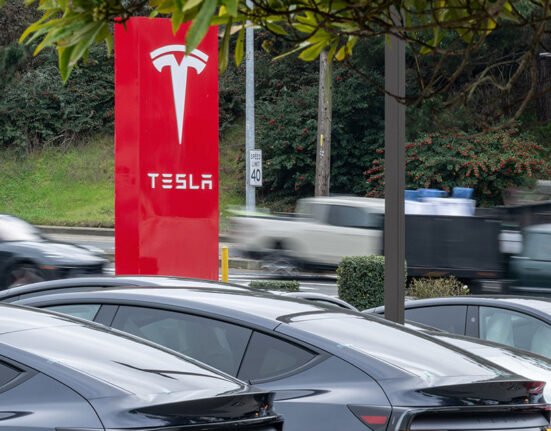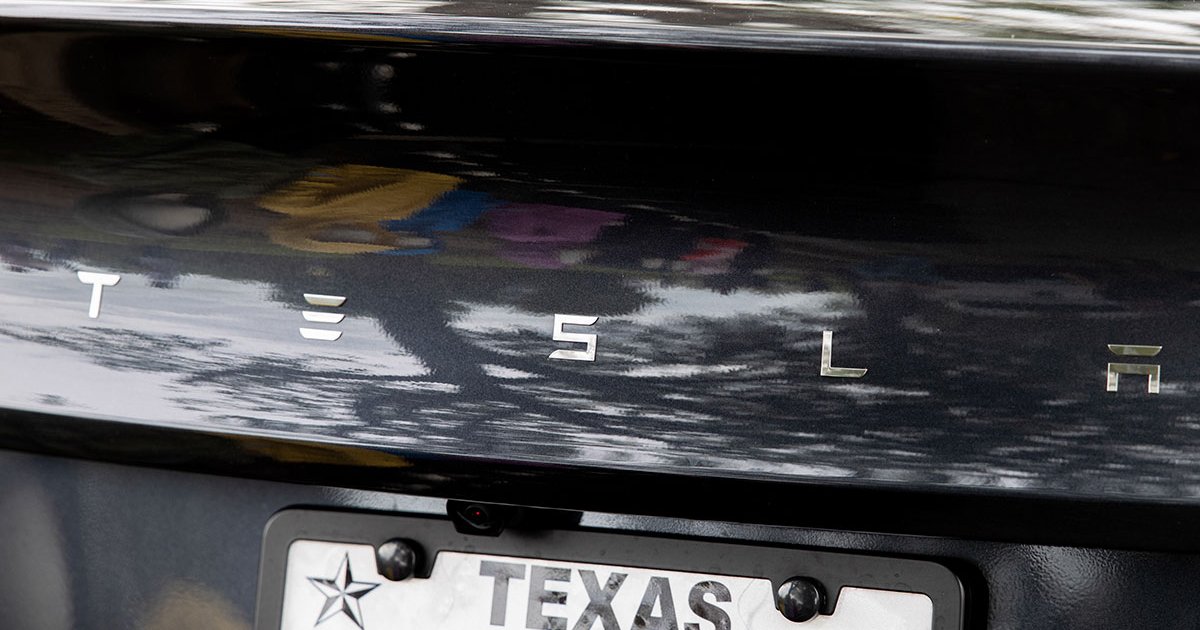
A Tesla Model 3 with a Texas license plate. (Kaylee Greenlee/Bloomberg)
key takeaways:
- The NTSB opened an investigation into a Tesla Model 3 crash near Houston on June 19 that killed a woman inside a home.
- Scrutiny of Tesla’s driver-assistance systems intensified after the crash when the driver told authorities he was using automation, although Tesla’s AI chief denied this.
- The NTSB said a preliminary report would be posted within 30 days, with a final probable cause report coming in 12 to 24 months.
The National Transportation Safety Board this month sued Tesla Inc. in Texas. An investigation into a fatal crash involving a sedan has been launched, expanding the investigation into an incident that has drawn national attention.
The NTSB, a federal agency tasked with investigating civilian transportation accidents, said on June 24 that it was working with the Harris County Sheriff’s Office to look into the June 19 collision. NTSB Chair Jennifer Homendy told Bloomberg as early as June 24 that the agency was considering an investigation.
A Tesla Model 3 crashed into a brick home at high speed near Houston, killing a woman inside. According to a statement from the Sheriff’s Office, the driver told authorities he was using an automated driver-assistance system at the time of the incident.
The high-profile crash, which was captured on a front-door video camera, puts an unpleasant spotlight on Tesla’s driver-assistance technology, which CEO Elon Musk sees as vital to the company’s future prospects. The automated systems, known as full self-driving and autopilot, have attracted numerous lawsuits and regulatory scrutiny over whether they perform as expected.
The NTSB, in coordination with the Harris County Sheriff’s Department, has opened a safety investigation into the June 19 crash of a Tesla Model 3 that crashed into a home at high speed in Katy, Texas. – NTSB Newsroom (@NTSB_Newsroom) 24 June 2026
Tesla did not immediately respond to a request for comment on the NTSB investigation. The company’s AI head Ashok Eluswamy said in a post on X this week that the driver-assistance system was not operational at the time of the crash.
Yes. In this case, the driver manually overrode self-driving by pressing the accelerator pedal all the way to 100% in this residential area. His speed at the time of the accident was 73 mph, and the accelerator was still depressed after the accident. – Ashok Eluswamy (@aelluswamy) 22 June 2026
The NTSB’s move comes days after the National Highway Traffic Safety Administration launched a special crash investigation. The family of the 76-year-old woman who died in the incident also filed a lawsuit against Tesla, claiming in part that the automation technology failed to detect the end of the road and stop before the collision.
The NTSB’s preliminary report will be available on the agency’s website within 30 days, a spokesperson told Bloomberg in response to emailed questions. A final report detailing the probable cause of the accident along with any contributing factors and recommendations will be available within 12 to 24 months.
“Safety issues to be investigated include driver engagement, driver performance when using automated driving systems, and performance of automated driving systems,” the NTSB said in an emailed statement. “Automated vehicle technology has been the focus of previous NTSB investigations and is an important issue for improving roadway safety.”