Electric bikes spent years getting rid of gears. Now racing technology wants to bring them back. Make up your minds, people.
Electric motorcycleshave spent the better part of two decades convincing us that transmissions are unnecessary. Instant torque, fewer moving parts, no clutch to worry about, and no gears to fumble through at a stoplight. Sounds pretty great, right? Well, apparently that wasn’t good enough, because some very clever engineers have decided that what electric motorcycles really need is a gearbox. And not just any gearbox, but one with technology straight out of MotoGP.
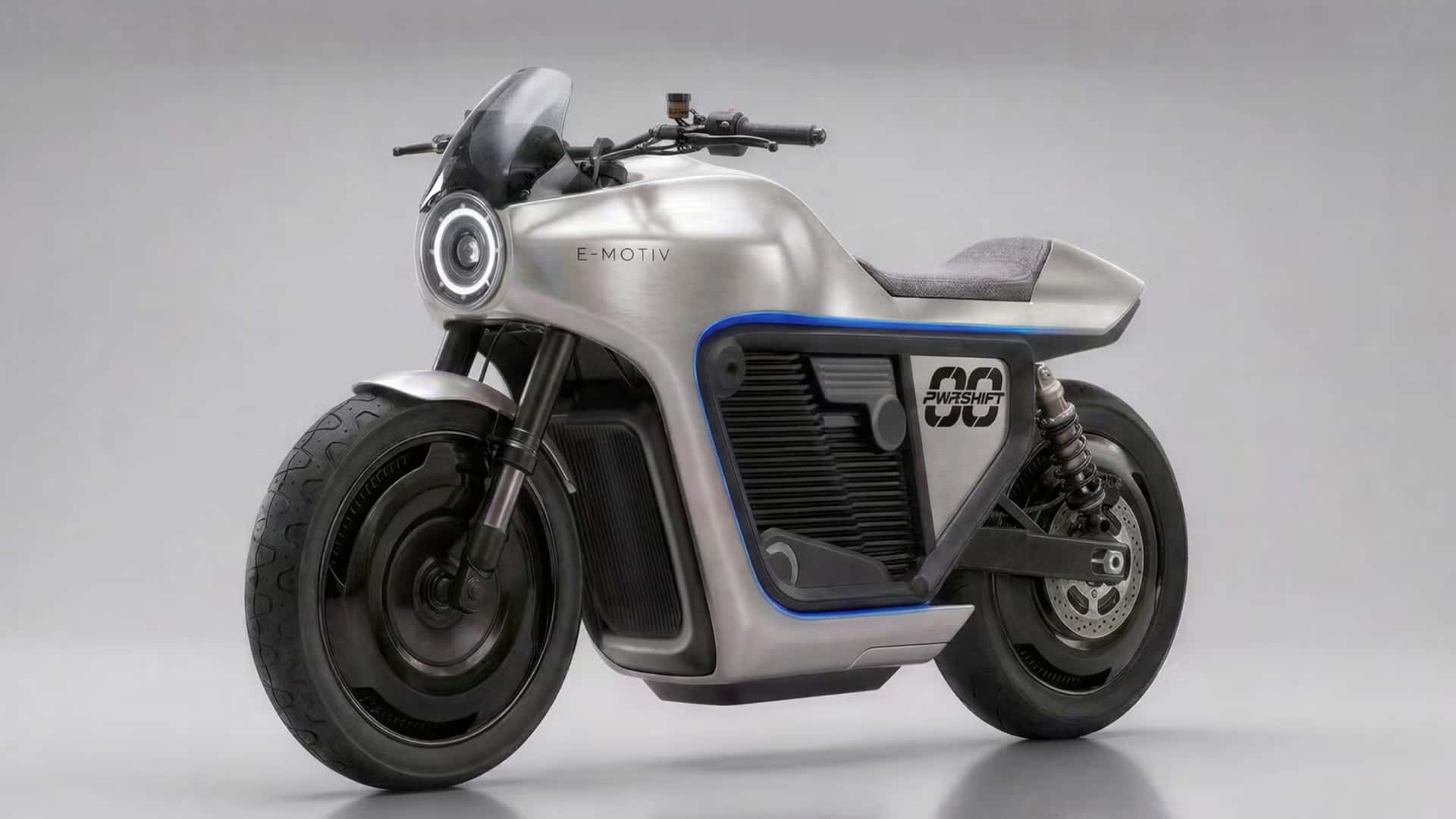
British engineering company E-Motiv Shift Systems is bringing its two-speed seamless-shift transmission to EICMA 2026, and there’s actually some pretty interesting science behind the madness. The company has developed a system that allows electric motorcycles to change gears without interrupting power delivery. It’s the sort of technology you’d expect to find buried inside a million-dollar racing prototype, except E-Motiv wants to make it work on electric motorcycles regular people might eventually buy.
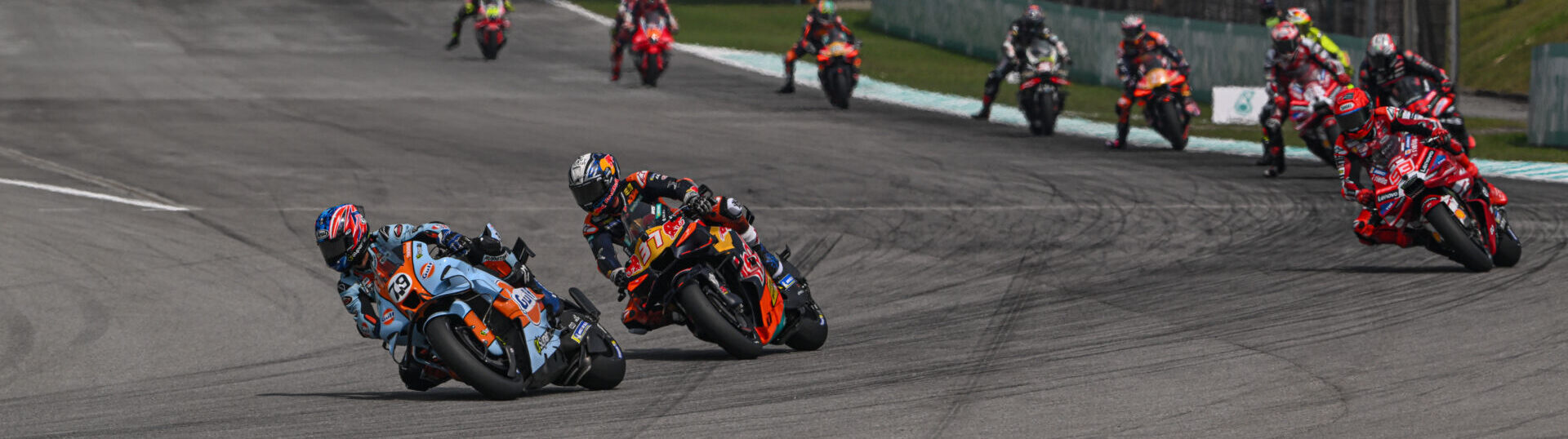
E-Motiv’s technology traces its roots to Zeroshift, a seamless gearbox system originally developed for internal combustion engines roughly 25 years ago. Aprilia Racing has used the technology in its RS-GP MotoGP machines since 2015, helping riders blast through gears without the usual interruption in power. Now, that same engineering philosophy is being adapted for electric motorcycles, which is a pretty amusing turn of events.
The electric version is a separate development, though,
The electric version is a separate development, though, rather than an Aprilia gearbox stuffed into a battery-powered motorcycle. E-Motiv worked alongside BSA, the University of Bath, and the Institute of Advanced Automotive Propulsion Systems on a project supported by £1 million in UK innovation funding. That’s roughly $1.3 million invested in figuring out whether adding complexity to an inherently simple powertrain might actually make it better.
Most electric motorcycles use a single fixed gear ratio, which works because electric motors deliver useful torque across a much broader operating range than combustion engines. But there’s still a compromise. Gear a bike for strong acceleration, and you might sacrifice some high-speed performance. Gear it for higher speeds, and you could give up some of that punch off the line. A second ratio could help manufacturers balance those competing priorities.
What do you think?
E-Motiv’s system promises to make that transition without interrupting torque at the rear wheel. Better acceleration and improved efficiency are the potential benefits, while manufacturers can apparently tune how noticeable the shifts are. So instead of making an electric motorcycle behave like a traditional manual bike, the technology could give engineers more flexibility while keeping the riding experience almost completely seamless.
Of course, there’s the small matter of weight, cost, mechanical complexity, and whether the efficiency gains actually justify adding another component. A gearbox doesn’t magically create more energy, and electric motorcycles already have enough challenges with battery capacity and pricing. E-Motiv hasn’t yet demonstrated publicly quantified real-world improvements, so there’s still plenty to prove before anyone starts celebrating the return of the transmission.
E-Motiv Shift Systems,The Pack
We want your opinion!
What would you like to see on Rideapart.com?
Take our 3 minute survey.
Got a tip for us? Email:tips@rideapart.com