Here’s the strange thing about the 2026 Kia. The brand has turned the phrase “record sales” into background noise over the past three years. One more month, Another all-time high, another press release that no one outside the industry bothered to read. So, when the May figures came in, and the headline total came in at 80,502 units, almost dead level from last May, one could be forgiven for assuming that the trend had finally cooled off.
It was not so. Kia broke a record in May. Not exactly the flat top-line numbers you’d expect, and what’s broken down tells you more about where this brand really sits among American buyers right now. It also differentiates Kia from the rest of the industry, in a way the raw numbers are hidden.
Everyone expected another monthly record, Kia delivered something better
Some context helps here. The broader US market actually sold well in May by 2026 standards, posting its first monthly gain of the year at a seasonally adjusted annual rate of nearly 16 million units. The problem is that year-to-date sales are still down about five percent, and a large portion of May’s industry-wide improvement came from fleet deliveries rather than retail buyers. In other words, the market remained dependent on rental and commercial volumes to look healthy. Hold on to that thought, because this is where Kia goes another way.
For a company that set three consecutive all-time annual sales records and hit the 2026 breaking point almost every month, a flat May still feels like a stumble. Kia’s 80,502 units were barely up from May 2025. By itself, this number suggests off-road speed. This is quite the opposite. There’s a very healthy story hidden beneath the flat total, and you only see it when you stop looking at the statistics that everyone reports.
Retail sales grew 11 percent and crossed the highest level of August 2025

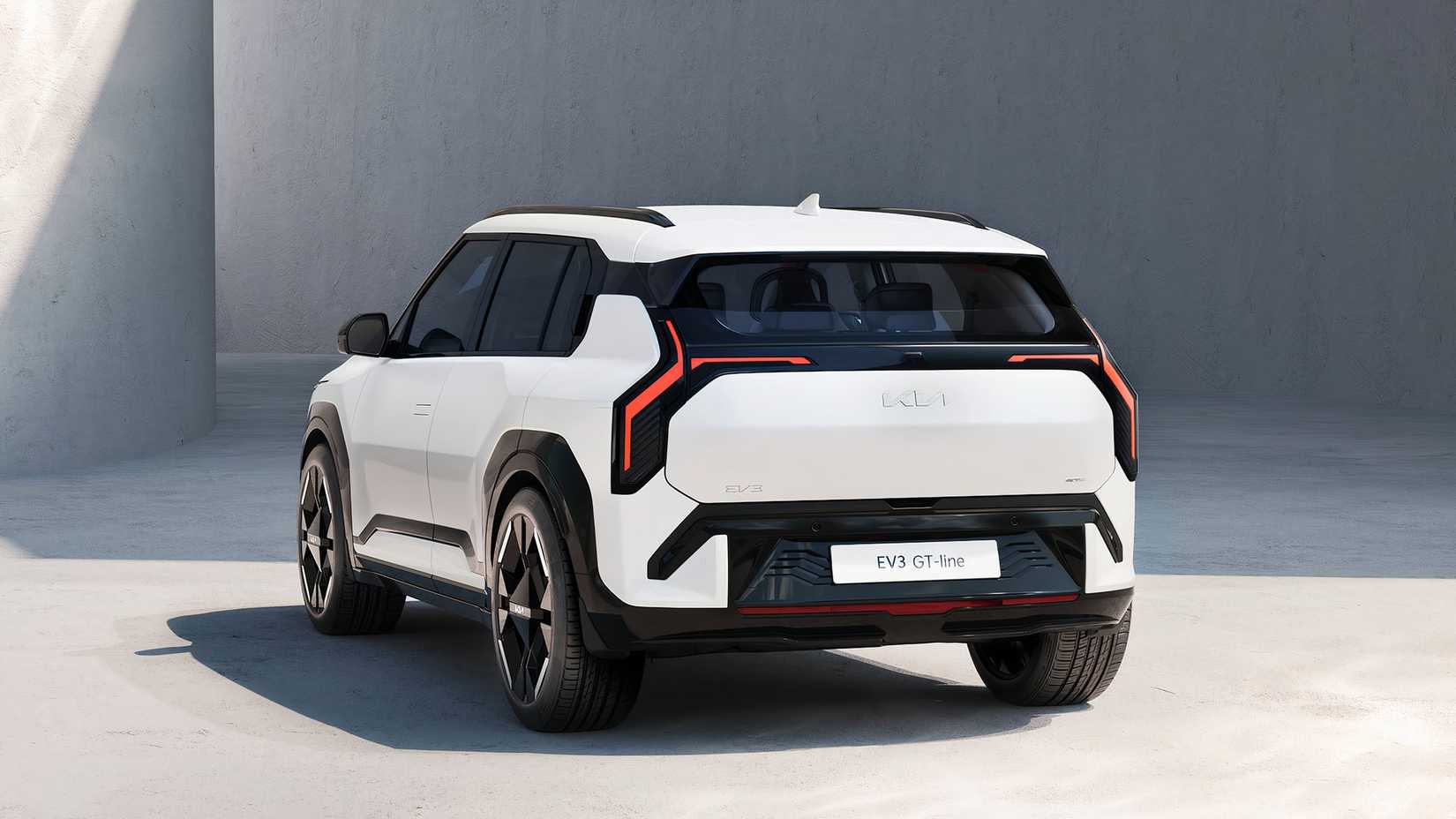
Here is the record. Retail sales through Kia dealers increased by 11 percent in May 2025, enough to surpass the brand’s previous retail sales record set in August 2025. This is an all-time retail sales record, and that’s what matters. Kia set a new year-to-date record of 360,220 units during the first five months of the year, up 2 percent from 2025.
So the brand that looked flat on paper posted the strongest month of actual showroom business in its history. The two facts seem to contradict each other until you understand how the total is calculated.
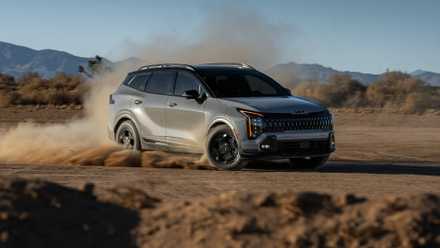

Kia’s Telluride, Sportage, Carnival and K4 set sales records
Kia is a bright spot in a shady car market. They may be one of the foreign carmakers better positioned to manage the tariff mess.
Why do retail records matter more than headline numbers?

The distinction is simple. Counts cars sold to actual customers through retail dealers, while totaling fleet deliveries to rental companies and corporate buyers. Retail is a clear medium for finding out whether people actually want your product.
Weak fleet volumes mask real consumer demand

This is what made the title fall flat. Fleet volumes softened for Kia in May, pulling the combined figure back from last year, while retail grew 11 percent. The point is that soft fleet sales are not a problem. Those are arguably better results. Too many brands boost their monthly totals with wholesale channel deals to keep factories busy, and those sales come at low margins and weak resale. This is where industry comparisons bite.
While most of the market’s modest gains came from exactly the same fleet volume in May, Kia did the opposite. It pulled back the fleet and still set a retail record. So the brand soared in a month where it counted when affordability is squeezing buyers hard. The average new vehicle payment is running around $810, loan rates are closer to 6.6 percent, and more than 13 percent of new loans are now for terms of 84 months or longer. For real customers to keep coming under those circumstances and make a purchase is the strongest signal Kia sends.
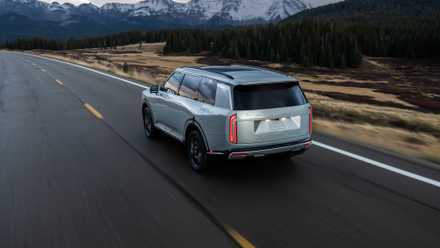
Why so many SUV buyers secretly choose the Kia Telluride
The Kia Telluride has quietly stood out in the three-row SUV market by catering to exactly what families need.
Telluride is doing the heavy lifting
Leading the charge is Telluride. Sales of three-row SUVs rose 18 percent in May, and according to Kia’s own account in the May sales release, the second-generation model recorded five consecutive months of record-breaking sales, setting a record for the best sales of any month. This goes well with the redesigned model reaching showrooms earlier this year, which also includes a hybrid powertrain.
If there was any concern that buyers would lose interest in a larger, more expensive crossover, the new Telluride has answered it. This is the clearest evidence that the redesign landed.
Sportage and Carnival backed it up with best-ever results in May

However, this is not the story of one model. The Sportage remained Kia’s best-seller and rose six percent, while the Carnival minivan climbed 16 percent, both posting their strongest May performance on record. When your volume leader and your minivan are setting personal bests in the same month and the flagship goes supernova, that’s depth, not contingency.
Why so many SUV buyers secretly choose the Kia Telluride
The Kia Telluride has quietly stood out in the three-row SUV market by catering to exactly what families need.
Hybrids are the real engine behind Kia’s momentum

Now that’s the number that actually pops off the page. Kia’s electrified sales increased 179 percent year-over-year. Break it down and the gains are everywhere: Sportage Hybrid up 171 percent, Sorento Hybrid up 101 percent, Carnival Hybrid up 32 percent, all three set all-time records for May.
That 179 percent is worth noting immediately, because there’s usually context behind such a big number. Part of the jump reflects Kia’s broader hybrid lineup than it had a year ago, with the Carnival Hybrid and refreshed Sportage Hybrid built on a smaller base for 2025. The growth is real, but it’s partly due to demand for a broader menu rather than the same set of cars that tripled overnight.
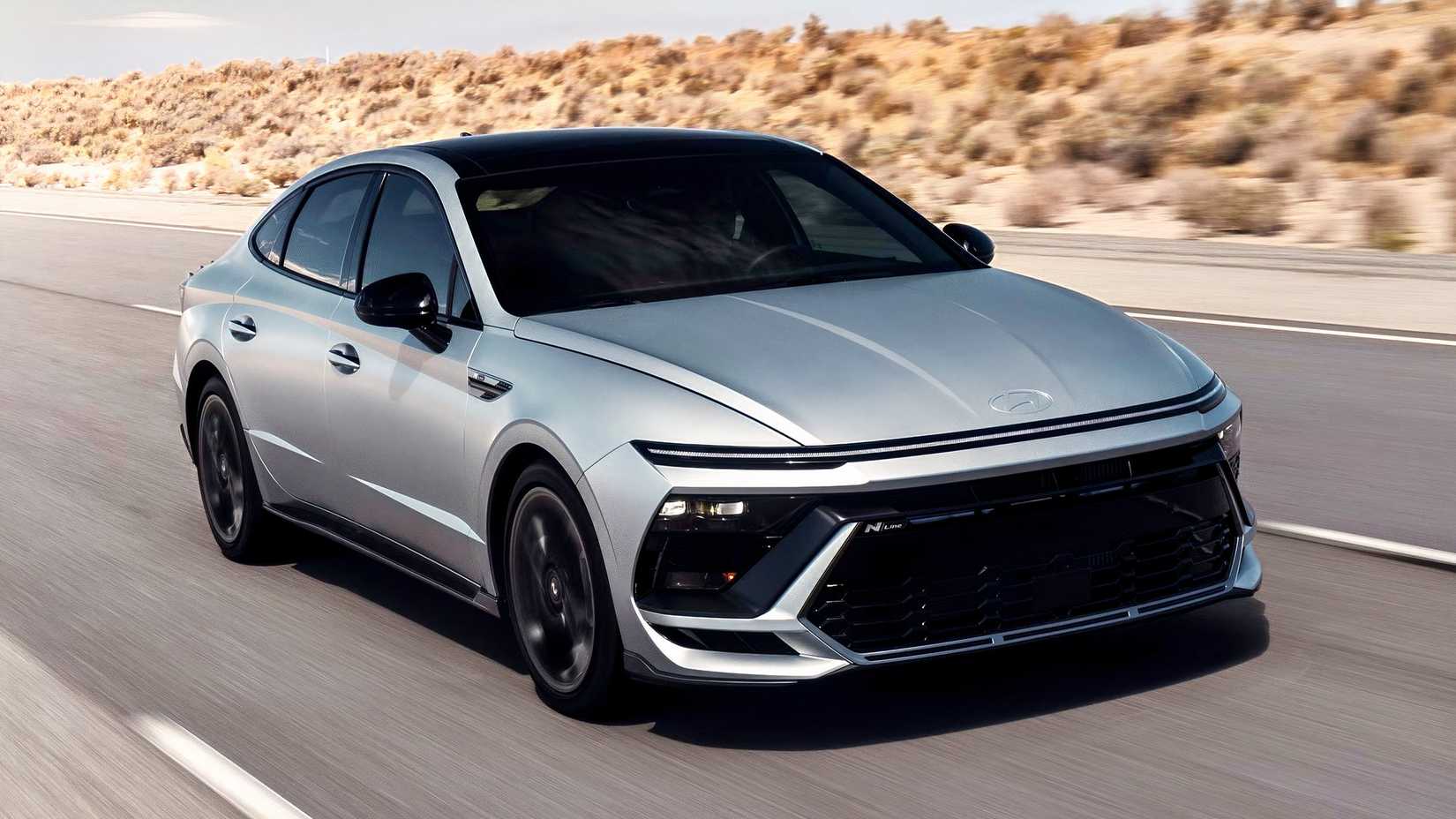
Kia isn’t alone in riding this wave, and seeing where it fits in makes the picture clearer. Hybrids are a runaway story across the market at the moment. Toyota said electrified vehicles accounted for 57 percent of its May sales. Honda reported record hybrid demand on track for a nearly 10 percent monthly gain. Hyundai saw hybrid deliveries increase by nearly 90 percent. Compared to that segment, Kia’s 179 percent jump is the sharpest of the group, even allowing for its smaller starting base. Meanwhile, pure EVs are going the other way, with the battery-electric share expected to decline to about six percent in 2026 as federal incentives expire. Buyers aren’t giving up efficiency; They are choosing the hybrid version.
Rising gas prices are pushing buyers toward electrified Kias
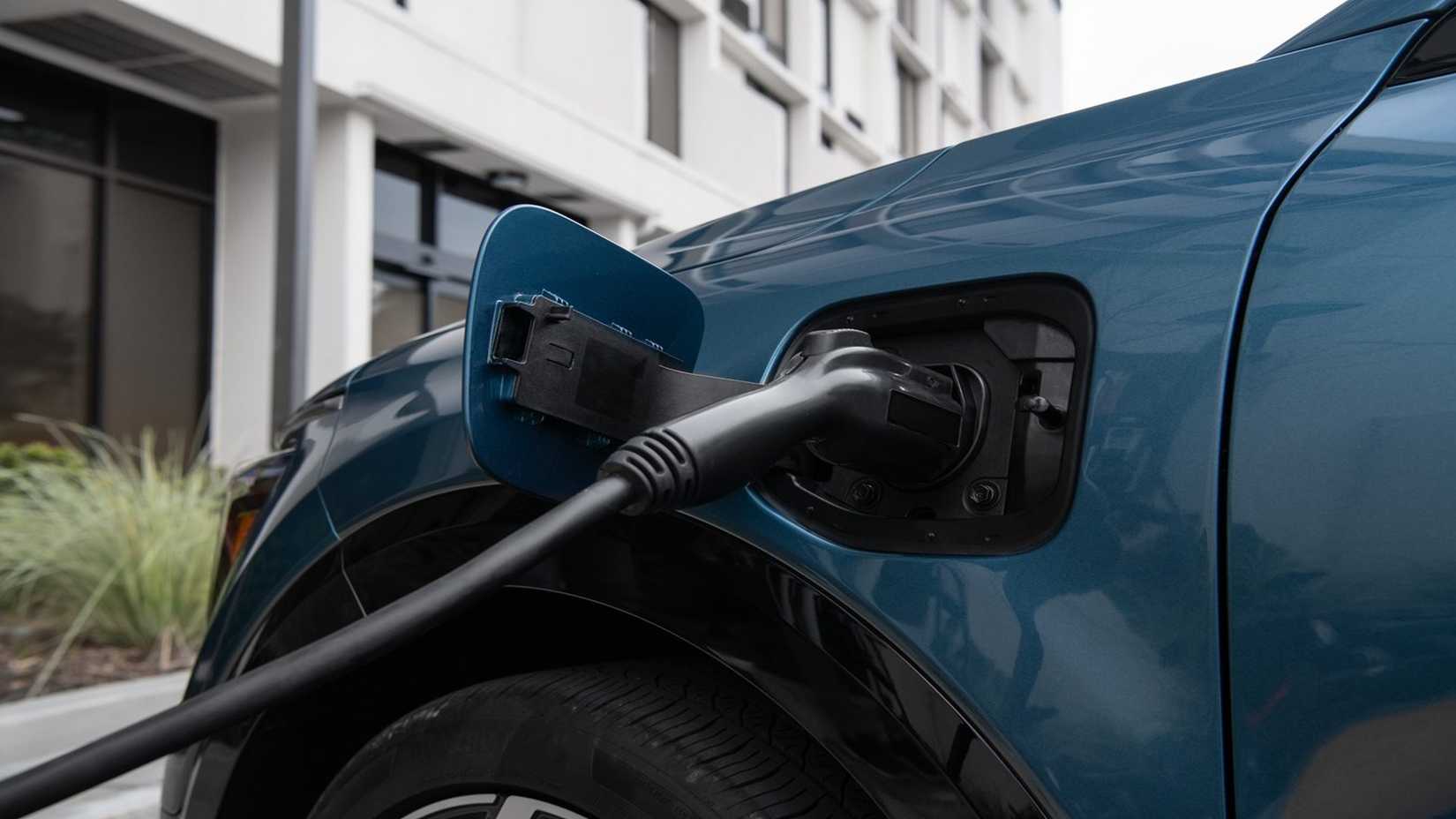
There is also a macro tailwind here. The closure of the Strait of Hormuz and the conflict in Iran have sent fuel prices well above $4.00/gallon in much of the country, disrupting normal shipping flows. The rising costs of the pump send buyers looking for efficiency without the commitment of going fully electric. Hybrids are the obvious landing spot, and Kia has one of the deepest benches in the business to capture that traffic: seven hybrids on sale, three of them plug-in.
That prevalence is what turns market trends into sales records. While rivals are struggling to add a single hybrid trim, Kia already has an electrified option in almost every showroom corner a fuel-conscious buyer can wander into. The flat title number was never the story. The retail record, and the hybrid boom that drove it, is the part worth paying attention to.
Source: KIA, AAA