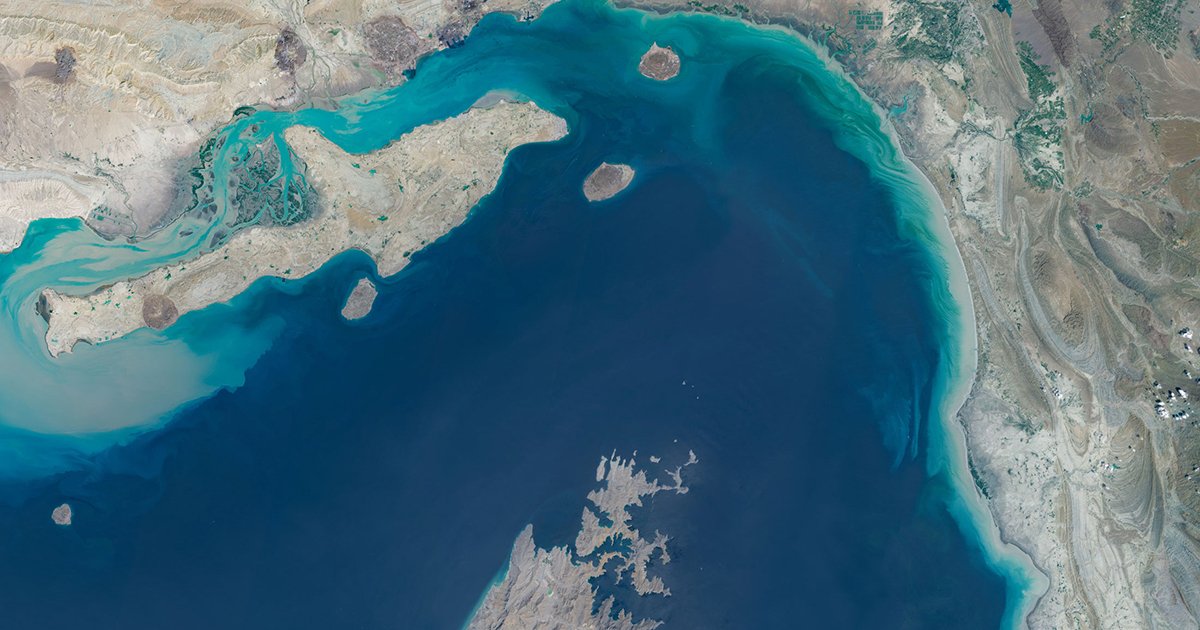
Strait of Hormuz. (Maps4media/Bloomberg)
key takeaways:
- According to a joint statement, Iran and Oman said they would begin negotiations on the future governance of the Strait of Hormuz, including navigation services and transit costs.
- Officials and industry groups said the discussions matter because traders and allies fear potential tolls or fees could disrupt shipping and challenge international maritime law.
- Next, the countries will negotiate the services framework as Western allies are pressuring the US not to accept any arrangement that allows Iran to impose transit fees.
Iran and Oman said they would begin work on an agreement on the future governance of the Strait of Hormuz, including the cost of managing transit, as traders and shipowners worry about the prospect of introducing a tolling system.
According to a joint statement, the two countries – which share a border through the narrow channel of the Persian Gulf – will begin discussions on navigation-related services, including “the costs associated with them in accordance with international standards”.
Read more: Who will control the Strait of Hormuz?
He said both countries are committed to keeping the Strait of Hormuz safe and open to international navigation.
Iran has been trying to establish control over Hormuz after reaching an interim peace deal with the US earlier this month.
Last week it said ships would need its permission to transit the waterway and would need a mandatory insurance policy to do so. That policy is free now, but could potentially pave the way for fees down the road.
#joint_statement | by the Sultanate of Oman and the Islamic Republic of Iran.
The Sultanate of Oman and the Islamic Republic of Iran discussed in Muscat during the visit of His Excellency Dr. Mohammad Bagher Ghalibaf, Chairman of the Islamic Consultative Assembly, to Muscat… pic.twitter.com/R4OWcj1zcC
– foreign ministry (@FMofOman) 23 June 2026
A senior official said at the time that US allies, led by Britain, were putting strong pressure on the Trump administration not to accept or normalize Iran’s efforts to impose tariffs for passage through the strait. The industry has warned that the toll would break international maritime law and set a dangerous precedent that could be mirrored in other waterways.