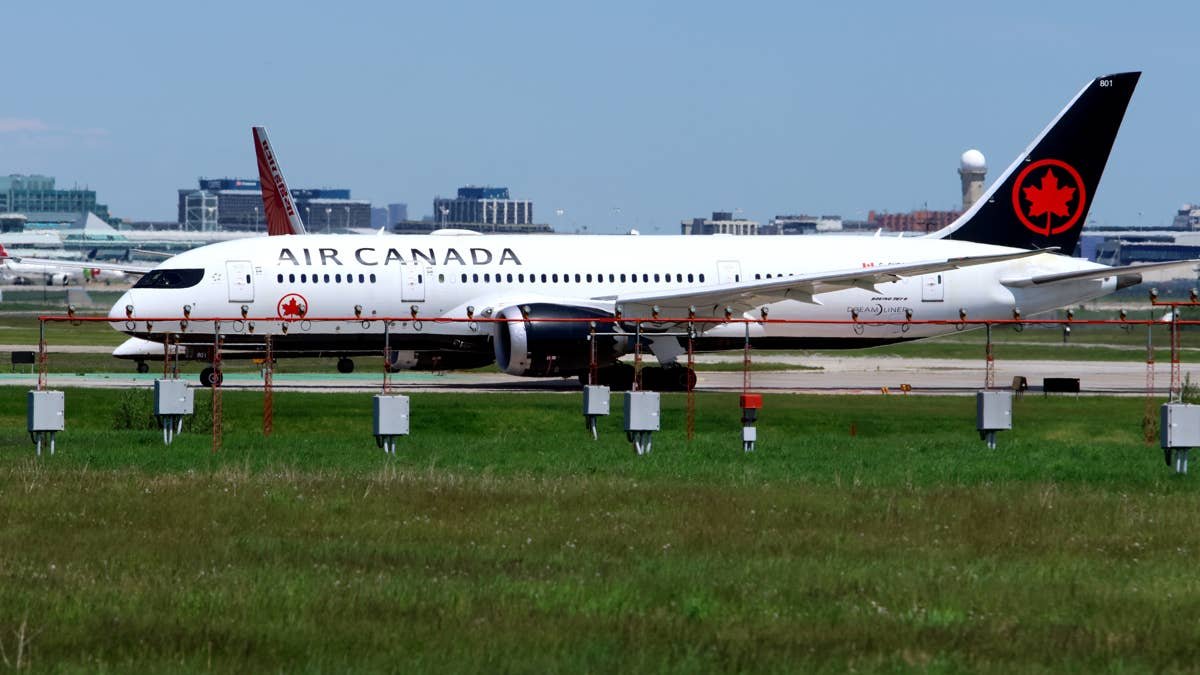
Last Thursday wasn’t just another busy day at America’s airports — it was the kind of day that made departure boards look like they were trying to minimize anxiety. About 57,000 flights took place in the sky to make it busiest day of 2026 by far and the third busiest in US aviation history. While millions of passengers reached their destinations, the milestone also underlined an uncomfortable reality: The country’s air traffic control system is being asked to handle more traffic than ever before on infrastructure that often feels like it belongs in another era.
The timing couldn’t be better, as FAA Administrator Brian Bedford announced that the agency plans to begin testing artificial intelligence tools in early September to manage traffic delays before congestion increases. Before anyone starts imagining ChatGPT wearing a headset in an airport control tower, it’s not happening. The goal is not to replace air traffic controllers or let AI land airplanes. Instead, the system will analyze schedules, weather, airport capacity and expected demand to identify conflicts before the aircraft even retreats from the gate.
(Photo by Mike Campbell/NurPhoto via Getty Images)
Anyone who has spent an hour staring at an airport departures board knows that delays rarely stand out in isolation. A single late departure could cause ripple effects across the country, affecting dozens of crew, aircraft and connected passengers. The FAA believes AI can help predict those disruptions and recommend schedule adjustments before they become nationwide headaches.
The announcement came as the agency continues a broad effort to modernize the air traffic control network that still relies on decades-old technology in many areas. According to Bedford, introducing AI is just one part of a larger strategy that also includes replacing aging hardware and improving communications systems throughout the national airspace.
For travelers, the benefits may ultimately be surprisingly simple. Less cascading delays can mean fewer missed connections, less waiting at the gate, and less time wondering whether that coffee you just bought will last by the time you depart. AI won’t be making boarding announcements any time soon, but it could quietly help prevent the chain reactions that turn a minor disruption into an all-day hassle.
The news also comes during one of the busiest travel periods of the summer, highlighting how much pressure the system faces. Airport travel has already become quite smart in recent years. Google Wallet’s enhanced boarding passes now provide travelers with more real-time flight information, while the TSA now allows tents on airplanes under certain conditions. Apparently, bringing your own camping tent is perfectly acceptable – as long as you leave your ax collection at home.
Photographer: Shelby Tauber/Bloomberg via Getty Images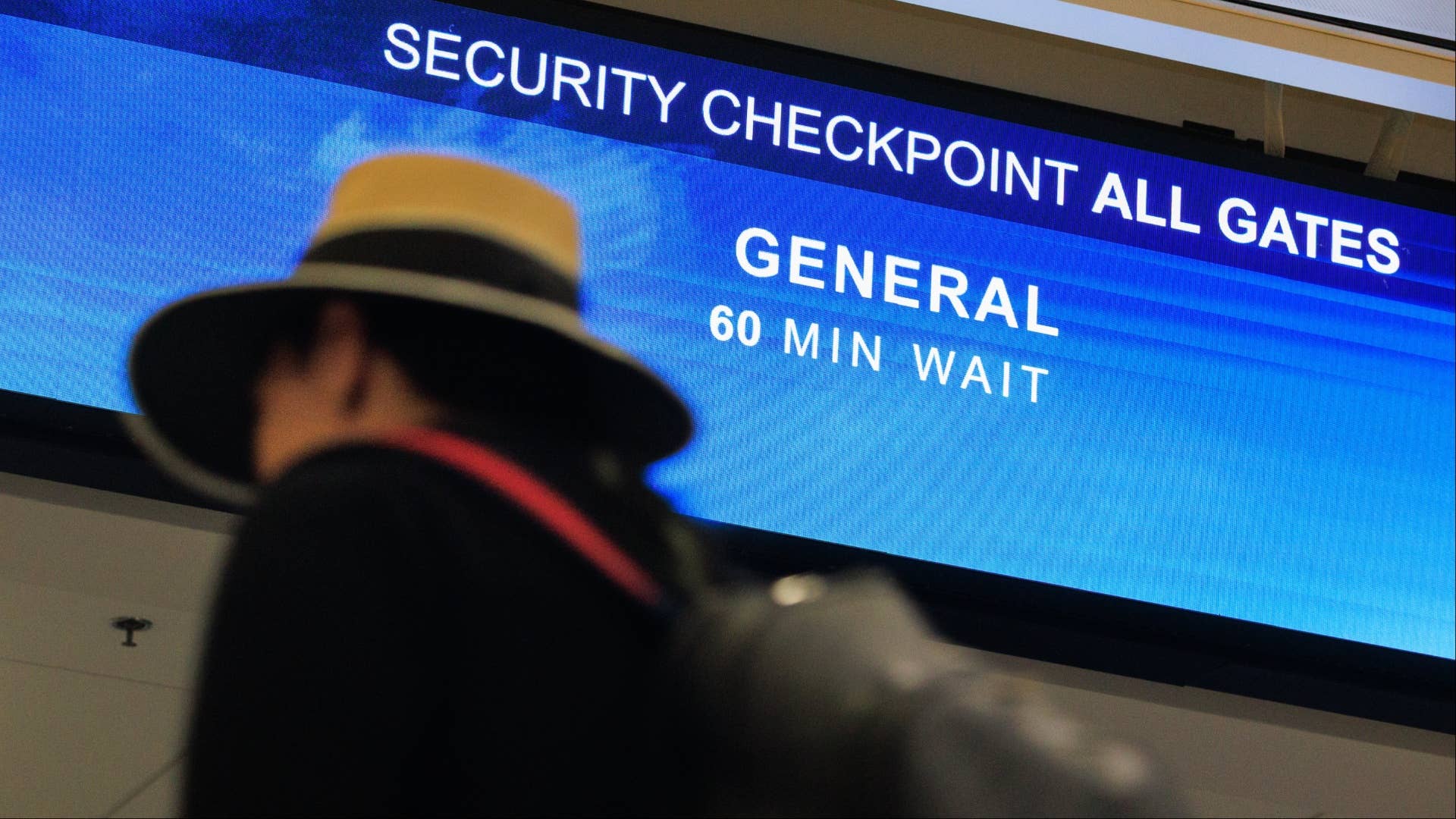
It remains to be seen whether artificial intelligence ultimately delivers on its promise. Aviation is an industry where even small changes require extensive testing, and the FAA has made clear that controllers—not algorithms—remain in charge. AI won’t eliminate every travel headache. It can’t widen the middle seat, convince people to board in numerical order, or explain why someone always stands up as soon as the wheels touch the runway. But if it can help flights run a little more smoothly after one of the busiest travel days in US history, that’s already a very good start.