In the second instalment of a four-part Health Matters series on food and health, Chloe Loung examines Hong Kong’s growing appetite for protein-enriched processed foods, cutting through fitness hype to show how much protein the body actually needs and how everyday Cantonese staples deliver it naturally.
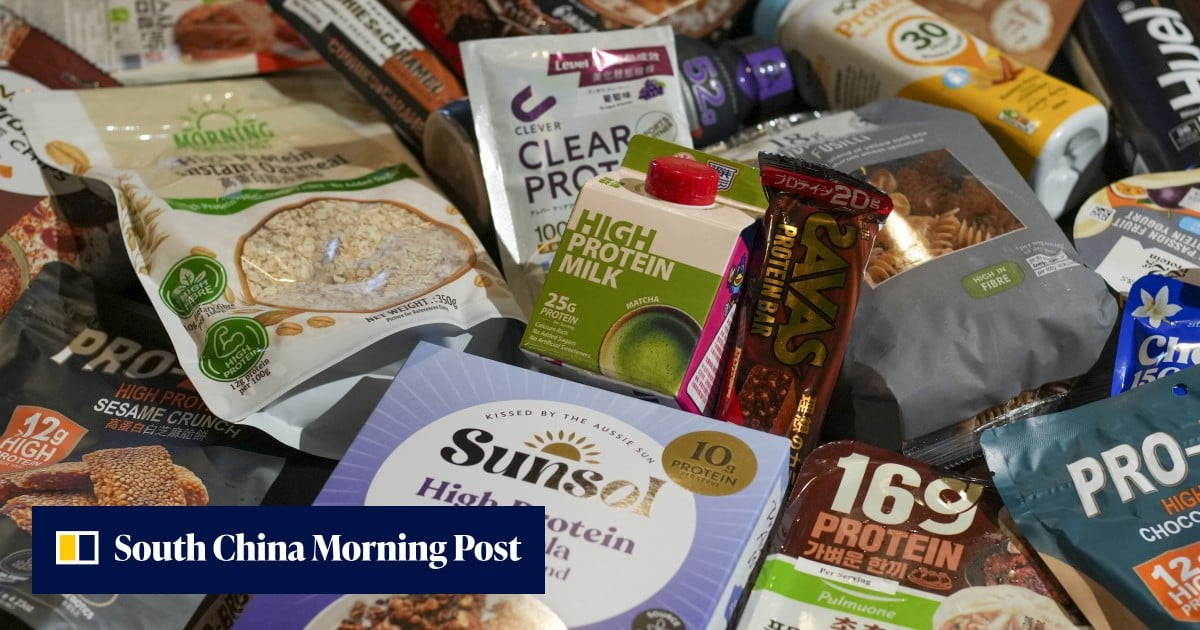
Walk down any Hong Kong supermarket or convenience store aisle today and it feels like everything has been given a muscular makeover: protein-boosted teas and coffees, protein oatmeal, protein cookies, even protein-fortified dumplings. The marketing message is unmistakable – protein equals health, and more protein equals better health.
But as the city rides a wave of fitness enthusiasm fuelled by Hyrox trends and GLP-1 adoption, medical experts warn that the average consumer has misunderstood the science.
“The general message people are getting through social media is, take this supplement or take this powder, and you’re going to look great,” says Dr John O’Reilly, a registered nutritionist and exercise physiologist at the Chinese University of Hong Kong’s Department of Sports Science and Physical Education. “But supplements [and fortified foods] will not replace a bad diet or a bad lifestyle. They can complement a good one, but they don’t replace it.”


The mechanics of muscle growth
The root of this misconception is simple: people understand that muscle requires protein to grow, but they incorrectly reverse the causal chain by believing that eating protein causes muscle to grow.
The craze is also propelled by patients on GLP-1 weight-loss medications told by doctors and dietitians to prioritise protein to prevent sarcopenia – lean muscle wasting during rapid weight loss – forgetting that consuming more protein only helps preserve lean tissue when combined with strength training.
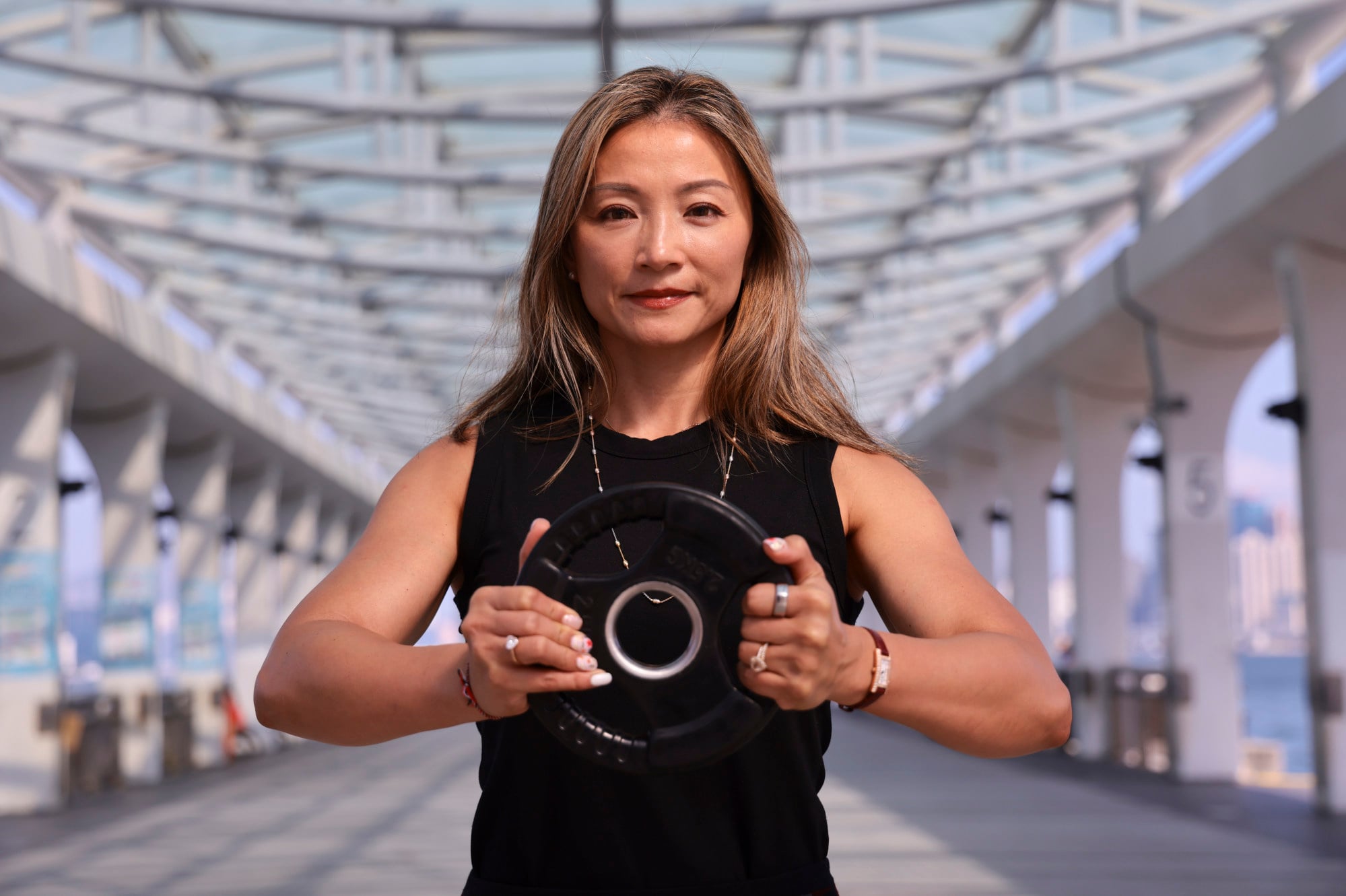
“Muscle tissue cannot simply absorb protein from the bloodstream on demand,” says Dr Laurena Law, a Hong Kong general practitioner with a focus on women’s health and lifestyle medicine, and an athlete herself. Without mechanical tension from progressive resistance training to activate muscle protein synthesis, excess amino acids cannot be turned into muscle, she says.

Dietary protein provides the raw materials and amino acids, but resistance training such as lifting weights provides the biological instruction manual. Eating surplus protein without resistance training is like stocking a factory but never switching on the assembly line: the materials pile up in the warehouse, the excess gets shipped back out, and nothing gets built.
When muscle fibres contract against heavy external loads, the mechanical strain signals the cells to start stitching amino acids into new muscle tissue. Without that physical stimulus, the liver strips the nitrogen from the extra amino acids, converting the leftovers into glucose or storing them as body fat, while the kidneys flush the nitrogen waste out as urea. It all goes down the drain.
O’Reilly gives a stark warning about overconsumption: “If someone is just unsupervised overdosing on protein intake, the liver and kidneys will be a problem, and it can cause a toxic reaction inside our body. In extreme cases, these kinds of things could be fatal.”
Re-evaluating optimal intake
To be clear, high protein alone does not cause kidney disease or death in those with healthy kidneys.
Hong Kong, though, has high rates of undiagnosed hypertension, type 2 diabetes and early chronic kidney disease. In people with pre-existing metabolic conditions or undiagnosed genetic disorders, extra protein makes an already damaged liver or kidneys work harder under pressure, with waste building up in the bloodstream and causing other dangerous complications.
Even healthy people have a limit. If someone consumes large amounts of protein while cutting out most carbs and fats – a habit many people are adopting – the body cannot keep up. This can cause severe nausea, diarrhoea and dehydration.
Dehydration causes a separate risk in the form of sudden kidney injury. Clearing protein waste requires water, so megadosing protein powders without drinking enough – especially while sweating heavily or using creatine or pre-workout stimulants – can lead to acute kidney failure.
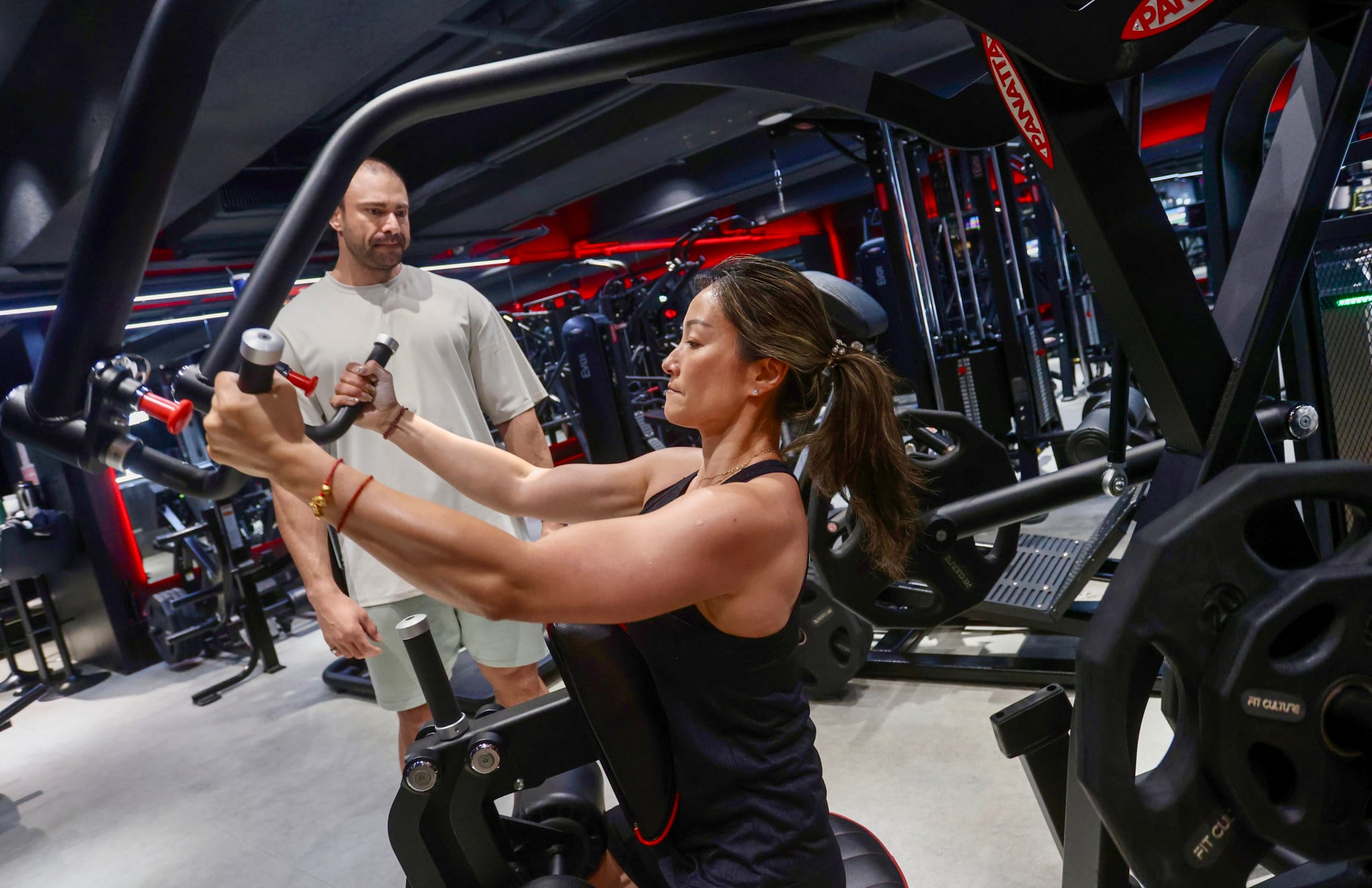
“A good baseline guide for someone who is trying to put on muscle is that you eat two times whatever your body weight is in protein, in grams,” says Tammy Wong, a Hong Kong-born three-time British weightlifting champion. “But if you’re not really training much, you just need a balanced diet. All that other stuff goes to waste.”

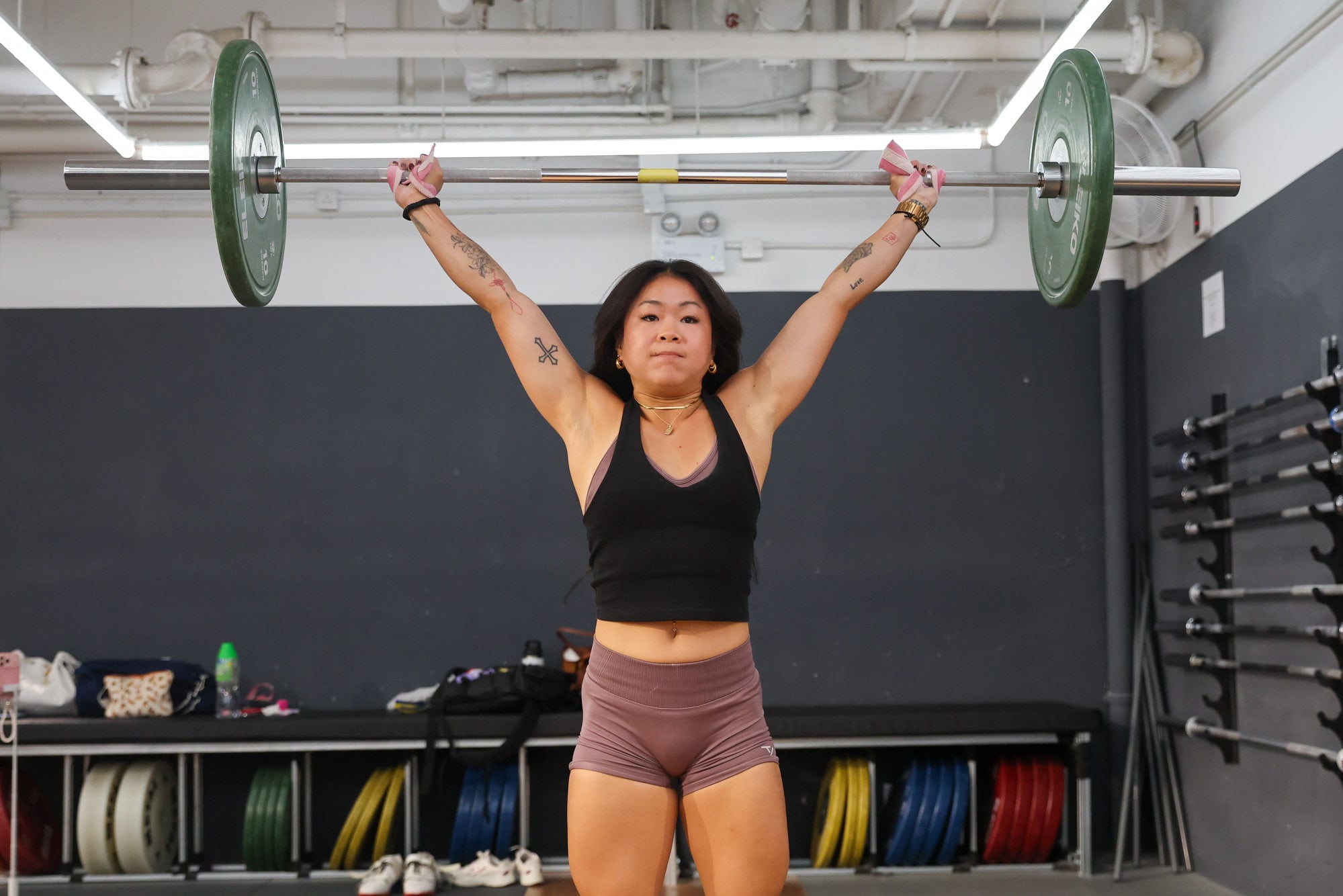
For a professional athlete such as Wong, who competes in the women’s 48kg (106lbs) or 49kg category, that formula would bring her to around 96 grams (3.4oz) of protein per day. Even for a weightlifting champion, optimal protein targets for muscle hypertrophy remain well below the 150-200 gram megadoses frequently promoted on social media.
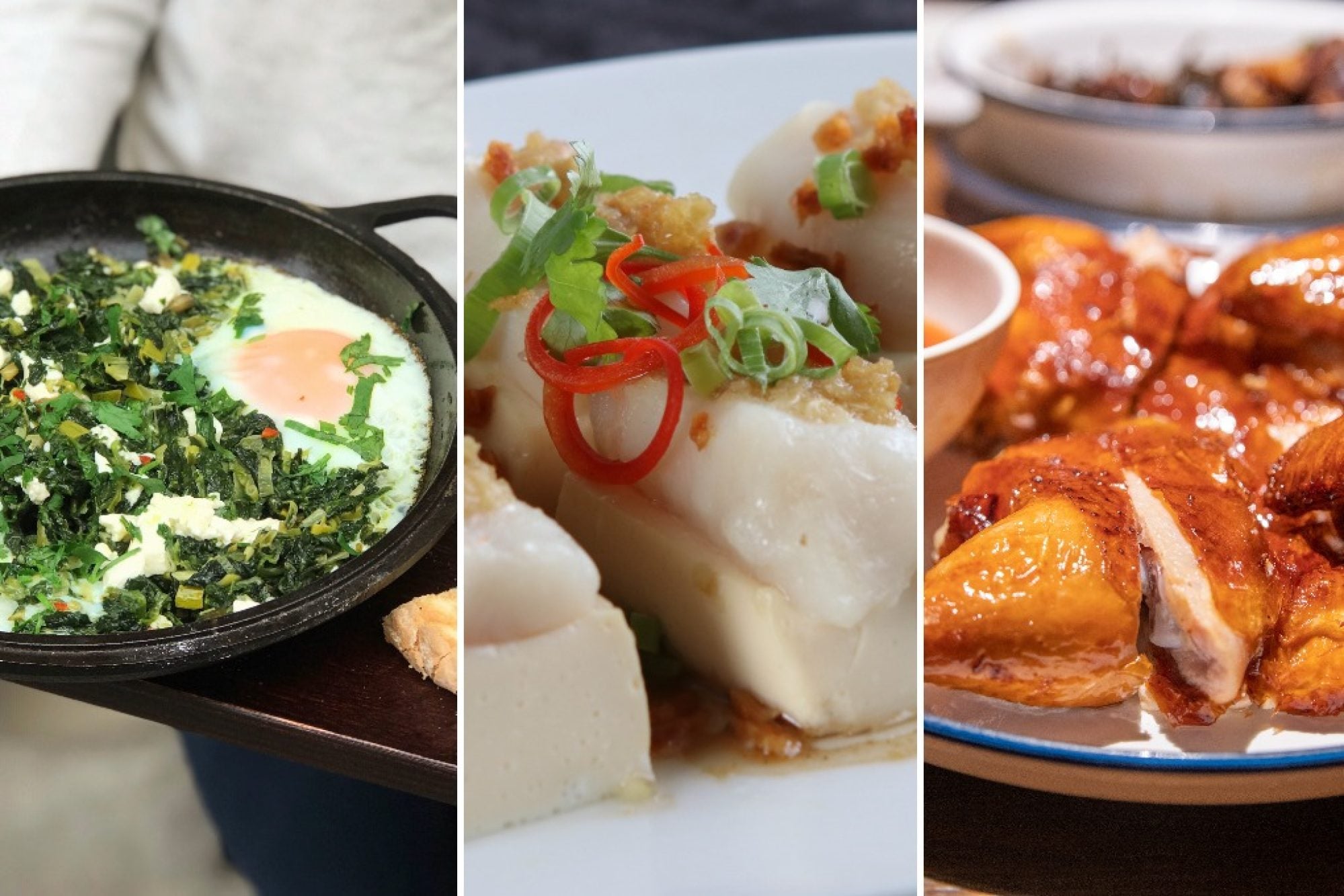
A typical Hong Kong day of home eating or traditional local-style cha chaan teng cafe eating – a couple of eggs at breakfast, a block of steamed tofu and fish at lunch, and roast chicken with broth-simmered lean pork at dinner – easily yields 65 to 85 grams of protein.
For a sedentary desk worker, that is already at or above daily requirements without a single protein-packed bottled tea or scoop of protein powder.

Law’s suggestion for anyone looking to increase their protein intake starts much lower than what most people might think, at one gram per kilogram per day. For a desk-bound worker or a sedentary teenager, that extra 25 grams of protein in a coffee is all cost and no benefit.
“We need to be careful about the recommendation for a specific population,” Law says. “It’s not a one-size-fits-all. More is not always better. We have to understand what that particular person’s goal is, what their health history and background are, and what their current lifestyle context is to then personalise that for the individual.”
The role of whole foods and recovery
This is why both practitioners emphasise the importance of a healthy baseline diet before considering supplements. More specifically, that means whole foods.
“There are different types of protein people can take and should take, but it depends on their own personal situation,” O’Reilly says. “I would never go down the road of ‘OK, let’s have loads of supplements’ before first establishing what your breakfast, lunch and dinner look like … They’re called supplements, not substitutes.”
He outlines a hierarchy of effectiveness, noting that whole-food protein from meat, poultry, fish and eggs is the most effective starting point, followed by non-complete proteins from vegetables, nuts and seeds.
Law emphasises incorporating both animal and plant proteinnt in a balanced, protein-forward diet. She recommends carbohydrates that come packaged with fibre, such as overnight oats, green peas, nuts, seeds, chia seeds, flax seeds, beans and lentils
The solution, she says, may already lie in Hong Kong’s own culinary heritage.
“Hong Kong traditional food is quite healthy,” Law says. “Soy, fish, poultry, greens – these have fibre, fat and a lot of nutrients.”

Pairing those everyday staples with wet-market greens such as choi sum, gai lan (Chinese broccoli) and watercress adds crucial dietary fibre, helping to maintain gut motility and neutralise inflammatory metabolites associated with high-protein diets.
“I honestly think that in our own culture, traditionally, we actually had a very good base,” Law says. “For thousands of years, it’s been part of Chinese culture. It’s about finding that balance.”
O’Reilly stresses that, most importantly, muscle-building is a long game: at minimum, it takes 12 to 16 weeks to notice significant muscle growth, and in the first six to eight weeks a person will not grow muscle, but will get stronger through neural adaptation.
“There’s no quick fix like what’s advertised in those products on the shelves,” he says. “You have to remember that it’s a multibillion-dollar business.”
Law says perhaps the most overlooked element of the protein conversation is recovery. She urges a return to fundamentals: whole foods, resistance training, adequate fibre, proper hydration and rest.
“We undervalue the importance of recovery because we’re always on the go,” she says. “We think more is better. But your body has to have time to recover and build strength. If you don’t allow yourself adequate sleep, adequate time to mentally switch off – that is a critical, important part that people don’t appreciate.”
Like what you read? Follow SCMP Lifestyle onInstagram. You can also sign up for our eNewsletterhere.