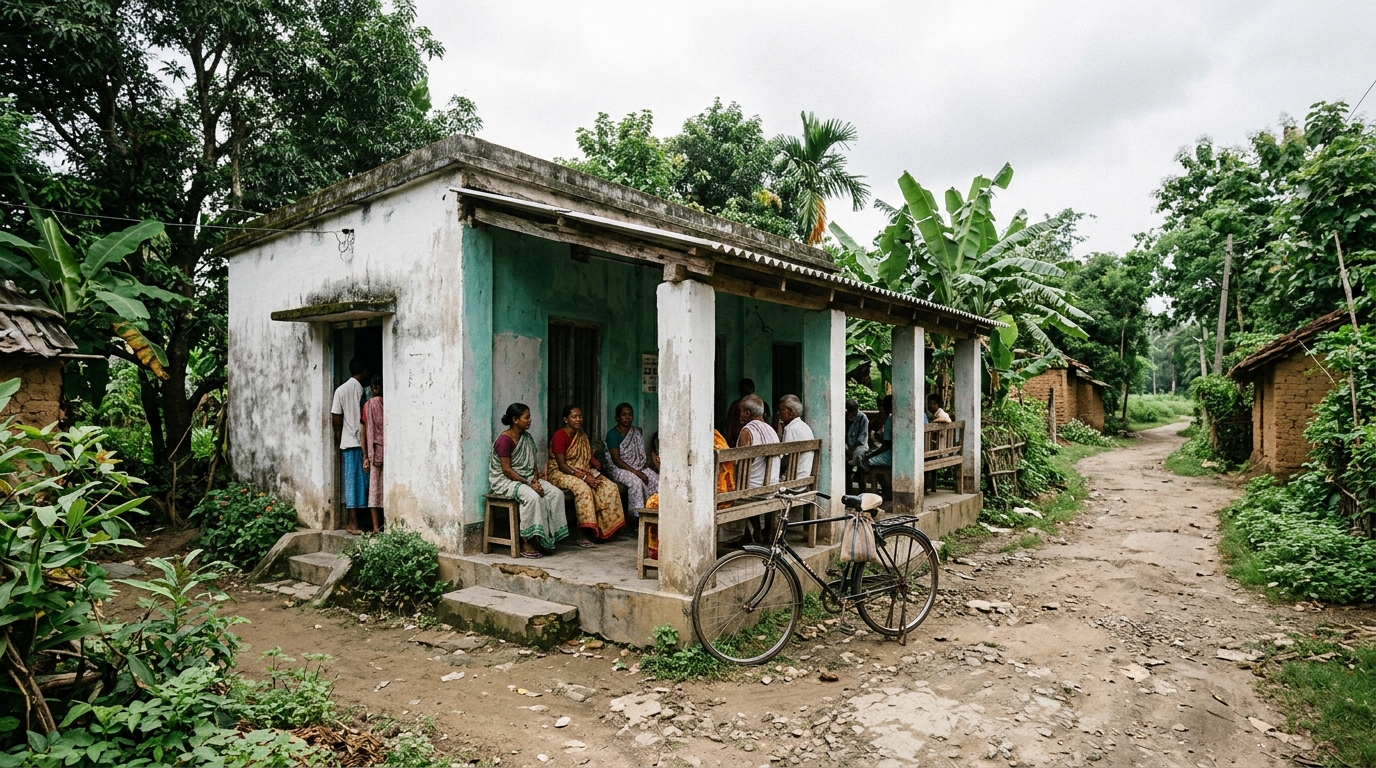

A new focused ethnographic study has identified that HIV prevention among middle-aged and older men who have sex with men (MSM) in rural Yunnan Province, China, is shaped by a complex interplay of aging, household obligations, and limited community social visibility. Unlike standardized prevention models that often prioritize technical biomedical interventions or digitally driven outreach, the research indicates that for this specific demographic, the success of HIV-prevention engagement relies heavily on flexible, trust-based relationships formed with community-based organization (CBO) workers. By examining the lived realities of 19 community participants aged 40 to 76 years and 6 CBO staff, the study reveals that personal prevention behavior is deeply embedded within broader social and kinship structures, necessitating a transition toward models that recognize the moral and relational negotiations inherent in rural life.
The study, conducted from June to July 2025 across five prefecture-level administrative areas including Kunming, Dali, Chuxiong, Yuxi, and Xishuangbanna, utilized a focused ethnographic design to capture sociocultural meanings around HIV. The researchers performed 25 individual in-depth interviews, supplemented by participant observation and fieldnotes, to analyze how factors such as aging, family structures, and physical or digital social environments influenced access to HIV testing and counseling. The study explicitly treated rurality as a contextual dimension, rather than a uniform characteristic, allowing for a nuanced exploration of how different geographic and administrative settings impact prevention practices for older MSM who often remain outside traditional gay health networks.
The first primary factor influencing prevention engagement identified by the research is the impact of bodily aging and physical discomfort. Participants aged 60 to 76 frequently associated the aging process with decreased libido, reduced sexual frequency, and various physical discomforts, which in turn led to a lower perceived risk of HIV infection. Many of these older men reported that they perceived testing and condom use as less relevant because they were less sexually active or viewed condoms as physically uncomfortable barriers rather than necessary tools for health protection. While some middle-aged participants reported becoming more cautious about their sexual health as they matured, the prevailing pattern among the older cohort was one of episodic testing, typically triggered only by specific health anxieties or perceived risk events rather than routine, proactive screening.
These perceptions of risk are fundamentally tied
These perceptions of risk are fundamentally tied to the participants’ physical experiences, creating a unique form of risk reasoning that differs from the norms often observed in younger, urban MSM populations. For instance, a 65-year-old participant noted that after a lifetime of experience, he had become more cautious about sexual intercourse but struggled with the practical discomforts of condoms. Another older participant described the process of getting tested as burdensome and less urgent due to his reduced energy levels and lower frequency of sexual activity. This suggests that prevention programs targeting older MSM must move away from generic biomedical messaging and instead address how bodily changes and declining energy levels alter an individual’s engagement with standard HIV-prevention protocols.
The second factor, interpersonal and household relationships, further constrains access to services. Many middle-aged and older MSM in the study were either currently or previously married to women, and their lives were structured by significant familial obligations and the ongoing need to maintain a socially acceptable identity. The pressure to conceal their same-sex sexual behavior from wives, children, and extended family members limited their ability to store condoms, keep records of testing, or maintain contact with CBO workers. The study found that maintaining privacy within the household was often viewed as a higher priority than preventing HIV infection, as the social consequences of discovery—such as the breakdown of marriages or family relationships—carried profound moral and social weights.
Participants frequently described the strategies they employed to navigate this secrecy, such as hiding condoms in workspaces or lockers to avoid detection at home. These accounts demonstrate that material access to HIV-prevention tools is heavily influenced by the social organization of daily life rather than just individual health literacy or availability. Furthermore, the sense of moral responsibility toward spouses acted as a double-edged sword: while it sometimes motivated participants to practice safer sex to avoid potential transmission to their families, it also created immense psychological stress and heightened fears of exposure. Consequently, prevention was often negotiated within these complex family frameworks, leading to inconsistent behaviors that are highly sensitive to the social risks of disclosure.
The third factor shaping prevention uptake relates
The third factor shaping prevention uptake relates to the availability and safety of sexual and social spaces, both physical and digital. In rural Yunnan, the landscape for meeting partners involves a mixture of public venues, such as parks, bathhouses, and informal cruising areas, alongside digital channels like WeChat. While WeChat was widely used as a primary communication tool, it was often navigated with significant caution to avoid surveillance by family members. Participants generally preferred WeChat over specialized gay dating applications like Blued, citing technological unfamiliarity, suspicion regarding scams, and a pervasive fear of recognition. For many older MSM, these specialized platforms were perceived as spaces exclusively for younger, urban users, further alienating them from the digital infrastructure that underpins much of contemporary HIV outreach.
Physical meeting places like bathhouses and public parks provided crucial opportunities for social connection, yet they were often described as sensitive or even dangerous environments. Participants reported instances of coercion, violence, and the ever-present threat of community gossip or exposure. The study found that while these venues allowed for sexual encounters, they also contributed to a environment where engagement with HIV services felt risky and potentially damaging to the participants’ social standing. The hybrid nature of these physical and digital spaces meant that CBOs had to carefully navigate how they delivered information. When CBOs used WeChat, they were forced to employ coded or nonsexual language to maintain client contact, which paradoxically limited the ability to hold direct, in-depth discussions about sexual risk and prevention.
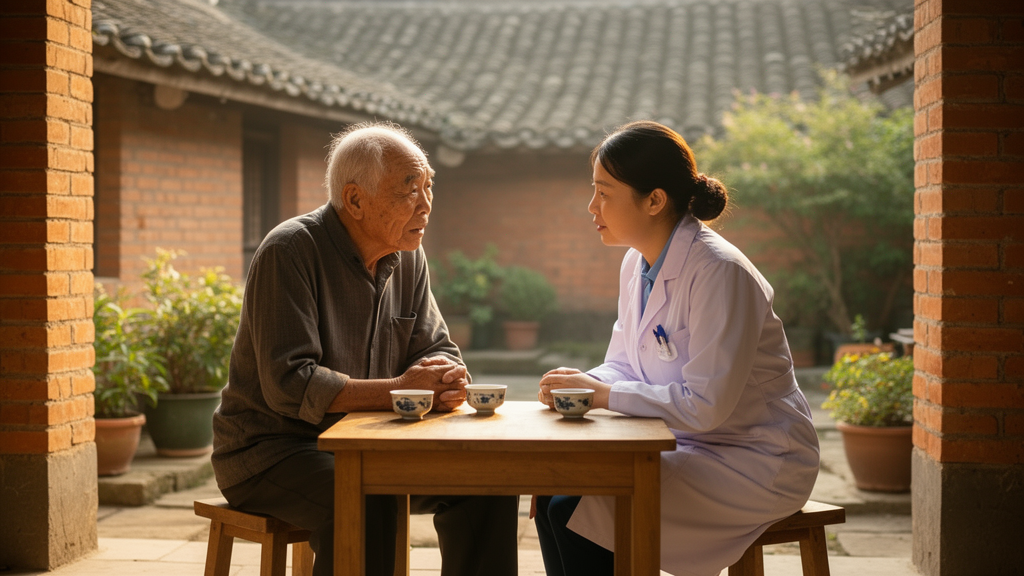
Community-based organizations play an indispensable role as the primary intermediaries that adapt to these multilayered constraints. Frontline staff in rural Yunnan provided individualized counseling, confidential communication, and flexible testing arrangements that were specifically designed to meet the realities of older MSM. By building long-term, trust-based relationships, CBO workers were able to provide emotional support and normalize HIV testing, effectively turning episodic service encounters into more sustained forms of engagement. This relational work allowed staff to reach men who would otherwise remain invisible to state-run health infrastructure, demonstrating the vital importance of local, frontline actors in bridging the disparity gap for older and marginalized populations in rural settings.
The effectiveness of these CBOs is severely hampered
However, the effectiveness of these CBOs is severely hampered by structural challenges. Staff reported that their efforts were consistently compromised by unstable project funding, the pressure of annual contract renewals, and the requirement to meet rigid testing quotas. These administrative burdens often shifted the focus of prevention work toward measurable service outputs, potentially undermining the long-term, trust-intensive work needed to engage with older MSM. The reliance on testing numbers as the sole metric of success fails to capture the significant labor required to manage confidentiality, secrecy, and relational dynamics. Strengthening the relational capacity of CBOs and providing stable financial support are therefore essential policy steps to better align the national HIV response with the specific needs of older MSM in rural communities.
Despite the insights gained, the researchers acknowledged several limitations in their study. The recruitment process, which primarily relied on existing CBO networks and WeChat groups, likely favored those already connected to prevention services and may have underrepresented the most isolated MSM who have had little to no contact with outreach efforts. Furthermore, the small and uneven age distribution of the sample—with a concentration of participants in their 50s compared to those in their 70s—prevents robust subgroup comparisons across advanced older age. The authors also noted that the study did not aim to perform a systematic urban-rural comparison, meaning that while the identified risk-reasoning patterns are highly detailed, they should be interpreted as descriptive insights rather than universal characteristics of all older rural Chinese MSM.
In conclusion, the study highlights that HIV prevention for middle-aged and older MSM in rural Yunnan cannot be solved through technical or standardized approaches alone. Instead, effective policy must incorporate the social architecture of rural kinship and visibility, recognizing that prevention is a relational endeavor managed through ongoing negotiations of secrecy and duty. Future initiatives should move toward supporting CBOs in their role as kinship-sensitive intermediaries who can provide stable, confidential, and judgment-free care. By centering the lived experiences of older MSM and respecting the realities of their social and family worlds, policy makers can move toward creating a more inclusive, durable, and context-sensitive HIV-prevention framework that successfully reaches those most vulnerable to the epidemic in rural China.
Subject of Research: Qualitative investigation into the multilevel
Subject of Research: Qualitative investigation into the multilevel factors influencing HIV prevention for middle-aged and older MSM in rural Yunnan, China.
Article Title: Multilevel factors shaping HIV prevention among middle-aged and older MSM in rural Yunnan: a qualitative study
Article References: Min Htike, W. Y. (2026). Multilevel factors shaping HIV prevention among middle-aged and older MSM in rural Yunnan: a qualitative study. LGBTQ+ Health, 1(1), Article 3. https://doi.org/10.1186/s44506-026-00003-4
DOI:10.1186/s44506-026-00003-4
Keywords: HIV Prevention, Public Health, Rural Health, Men Who Have Sex With Men, Yunnan Province, Qualitative Research, Ethnography, Aging, Sexual Health, Community-Based Organizations, Social Ecology, Digital Literacy, Family Dynamics, HIV Testing, Stigma, Social Visibility, Relational Care, Health Disparities
News. HIV Prevention for Older Rural Chinese Men Requires Relational Approaches. Scienmag