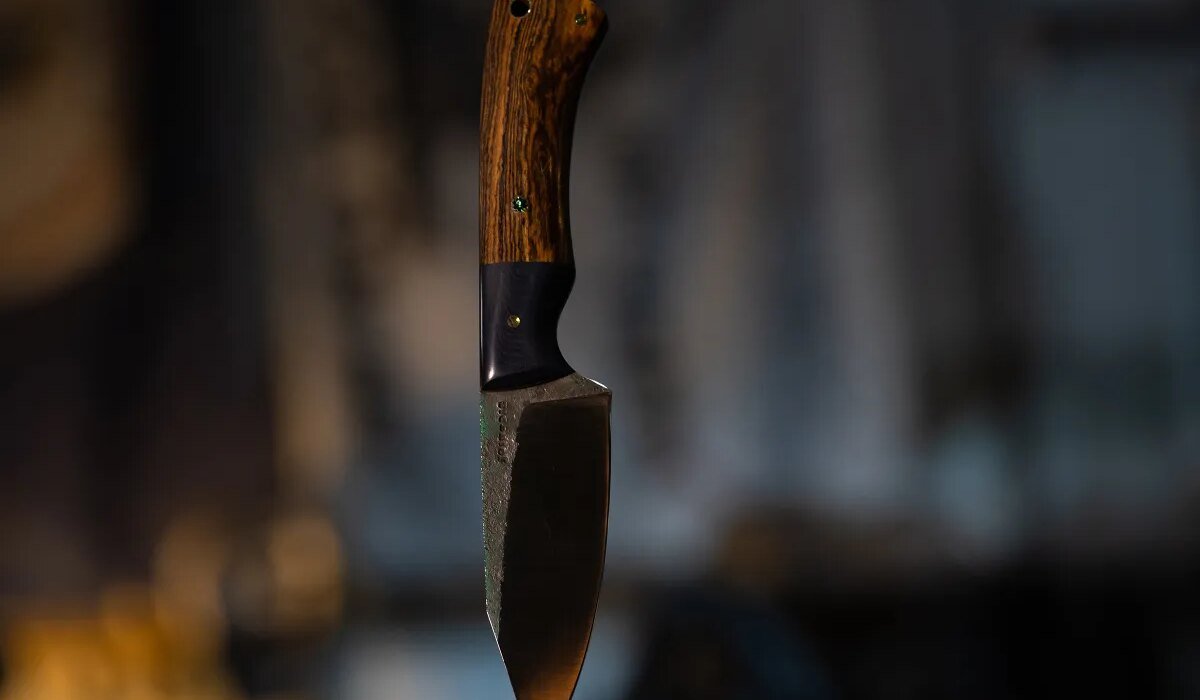
At any big box store you will find high performance hunting gear that will help you fill your tags and freezer. But, more and more people are choosing gear that is tailored rather than mass produced. Some people are also choosing to make their own gear.
To explore the undeniable but undefined fascination with handmade gear, I talked to a knifemaker, a leatherworker, and a bowyer about their businesses and the products they make.
Brent Stubblefield, Join or Die Knives
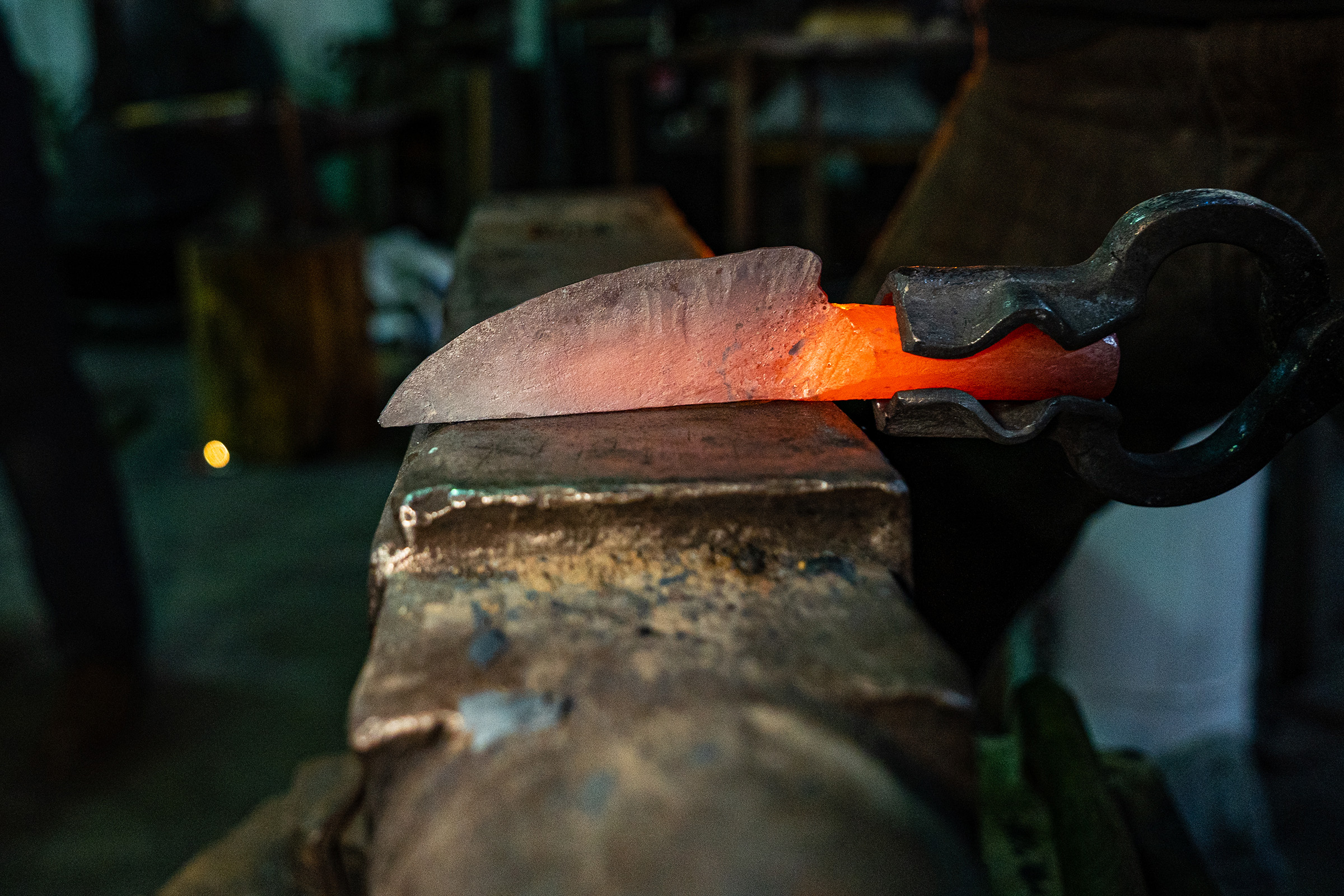
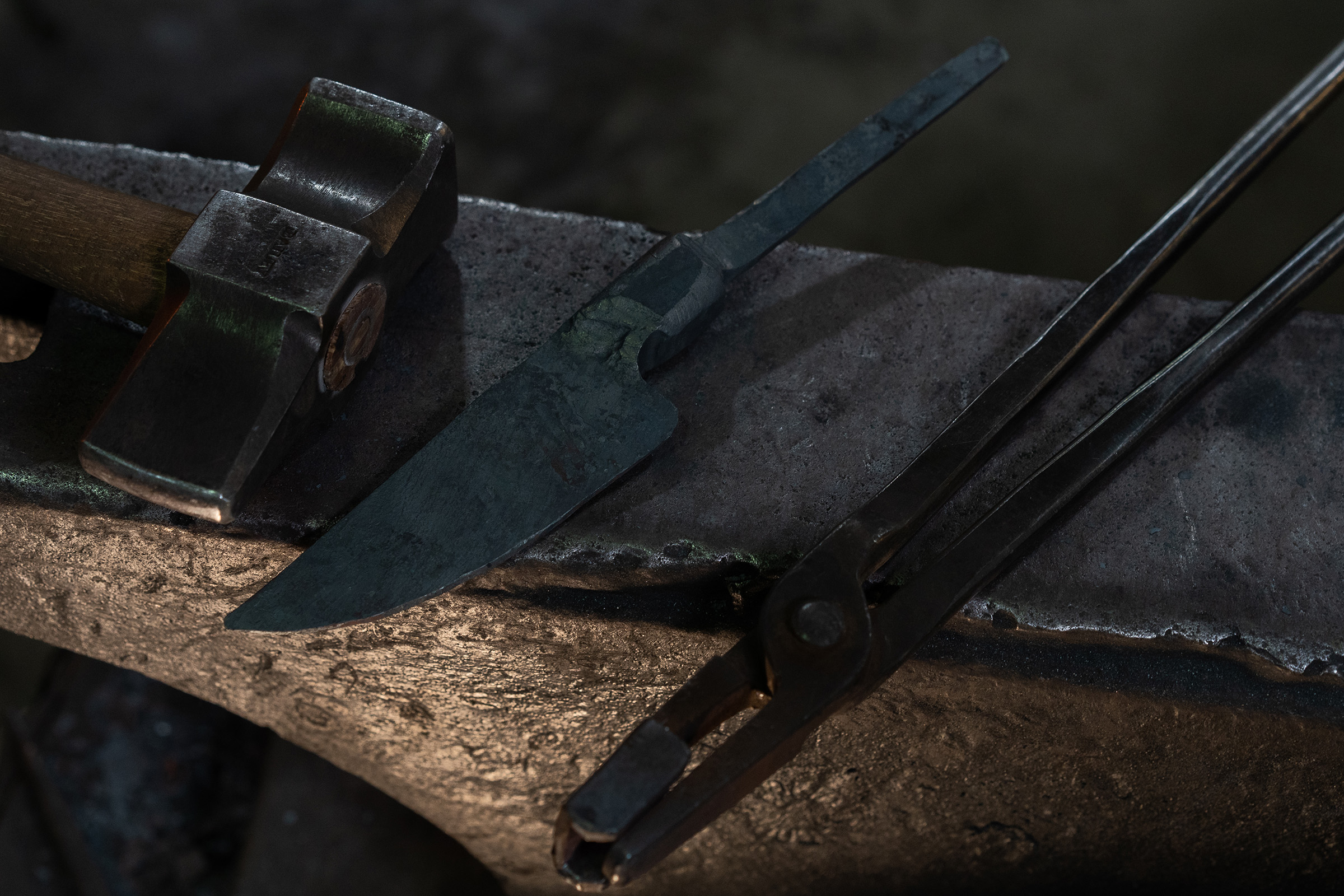
A piece of steel is a blank canvas, but you can heat it to an orange glow and hit the metal with precise hammer blows to shape it. After the heating and hitting sequence, you start to get a piece of steel that looks like a tool.
If you take this thick piece of steel, heat it to its critical temperature and immediately cool it by immersing it in oil, it gets hardened. It’s getting closer to being more than just a blank canvas, but it still can’t be used for more than a paperweight. To become a knife, hardened steel needs to be evenly ground and beveled and a handle fit and shaped. That piece of steel is now a cutting tool that can become a lifelong companion on outdoor adventures.
This process of molding raw materials into a useful device is a fascinating process that has recently attracted a wave of new manufacturers. Brent Stubblefield, owner of add knife or die In Richmond, Virginia, there is a custom knife maker who also offers classes and a fully equipped knife shop that is open to the public.
“The trend in knife making has a lot to do with demonstrating that this is something that can be done in a home shop,” he said. “Before I started making knives, I thought it was something that needed to be done in a facility.”
The growing interest in knife making can be seen in Stubblefield’s introductory classes, where anyone can come for a weekend and make a knife.
“It has been very rewarding to share what I do with people,” Stubblefield said. “Especially seeing my students take pride in their work and being proud of themselves after coming to class and making a knife.”
The weekend baptism of knife making is like going on your first hunting or fishing trip. You learn new skills, and now you can call yourself a hunter, fisherman, or maker.
“We’re sharing how to make knives, but we’re also sharing the identity of being a maker,” Stubblefield said. This identity and the community that comes with it are key to the allure of making handmade products.
“We have people who think of the community shop as a refuge,” Stubblefield said. “That openness and sense of community is very important, and that’s where the name Join or Die comes from, it sounds hard, but it’s about community and not being able to make it alone.”

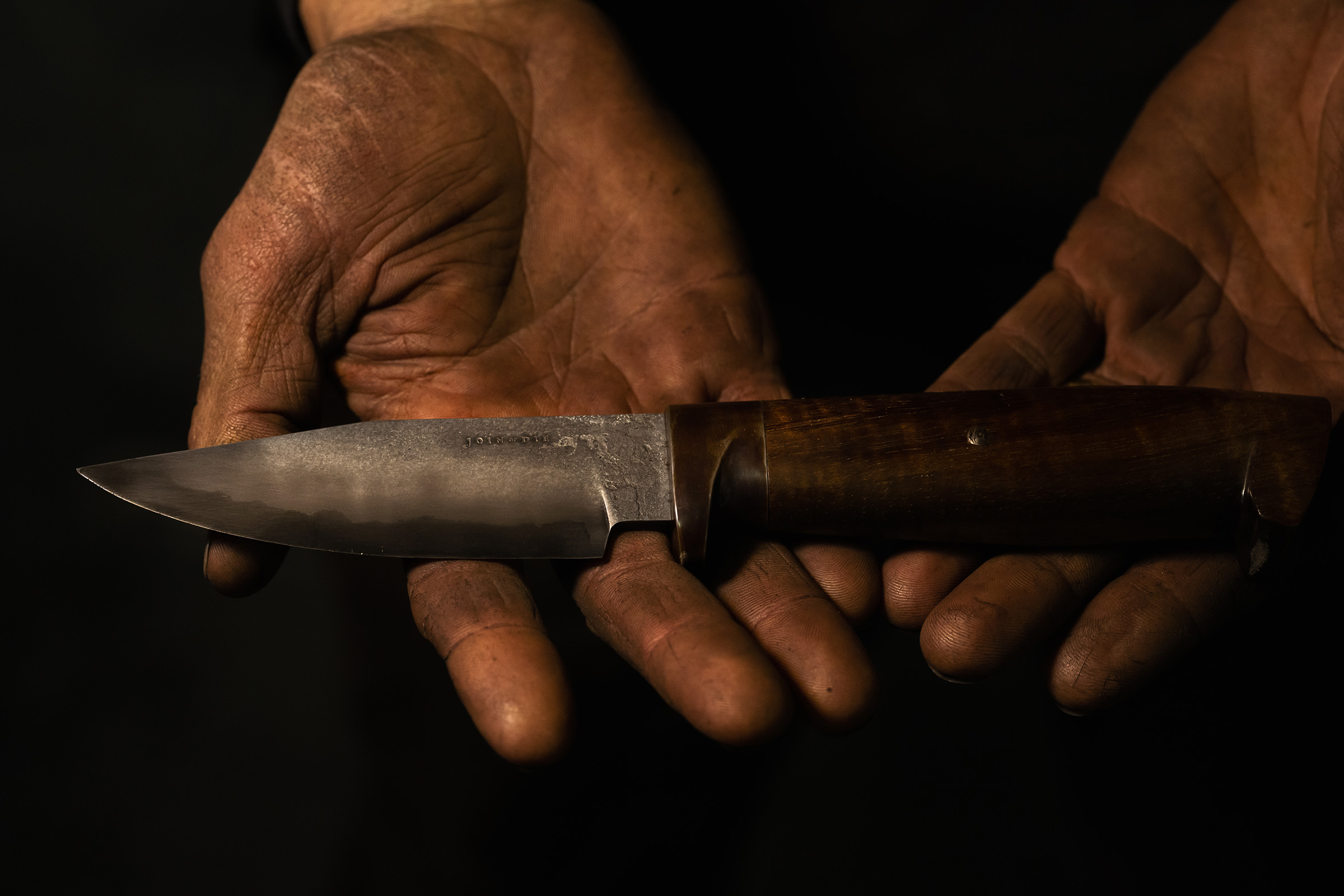
Not only is there a resurgence in knife making, but handmade knives are also in greater demand. Why would anyone buy a custom knife? “They want the handmade beauty, that feeling you get in knowing where something came from and having a connection to the person who made it,” Stubblefield said.
Handmade knives usually cost more than production knives. This is because materials are only a small part which adds to the cost. The biggest factor is time. Making a knife by hand takes time, but you get a knife that is different from the one that came from the factory.
“Handmade knives will have certain features that production knives won’t have,” Stubblefield said. Those features could be small details like a hand-sanded finish.
When a knife is grinded, the grinding belt leaves scratches perpendicular to the knife blade. A mark of a handmade knife is to sand out those scratches by hand and leave a finish with sanding lines that run parallel to the blade of the knife. This is a detail that cannot be mass produced.
You can still get a knife with handmade features at a price comparable to high-end production knives. Knife makers use time-saving equipment such as lasers or water jets to cut knife shapes.
Stubblefield said, “I want to make knives that anyone can buy without blood, sweat and tears.” “My $200 knives are my low prices. One may buy it without thinking about it, and one may save for months to buy it, but I hope both will enjoy the knife equally.”
Of course, there are also handmade knives that cost 10 times that much, and they are often Damascus steel knives. “My favorite knives for making mosaics are damascus,” Stubblefield said. “There are varying degrees of difficulty in damascus, and I’m obsessed with making the most difficult patterns and learning how to make patterns that no one has seen before.”
To make a Damascus knife, you must first make steel. The general concept is to layer two metals with slightly different makeups, so that when acid etched, a pattern appears. Mosaic damascus is the most difficult method of making damascus, but it produces the most stunning patterns and even pictures in the steel. Owning a unique masterpiece like a mosaic Damascus knife symbolizes embracing the Renaissance of the creator.
Francesca Ricci, Teton Leather Company
A wallet with a beavertail exterior and bison hide interior is not something you will find in every store. But it’s something you can get from Teton Leather Company in idaho falls, idaho. The company specializes in handmade leather goods made from exotic hides such as bison, kangaroo, crocodile, moose, stingray, beavertail and elephant. They sometimes work with standard cowhide for products like their rifle slings, but they also include beavertail accents that set them apart.

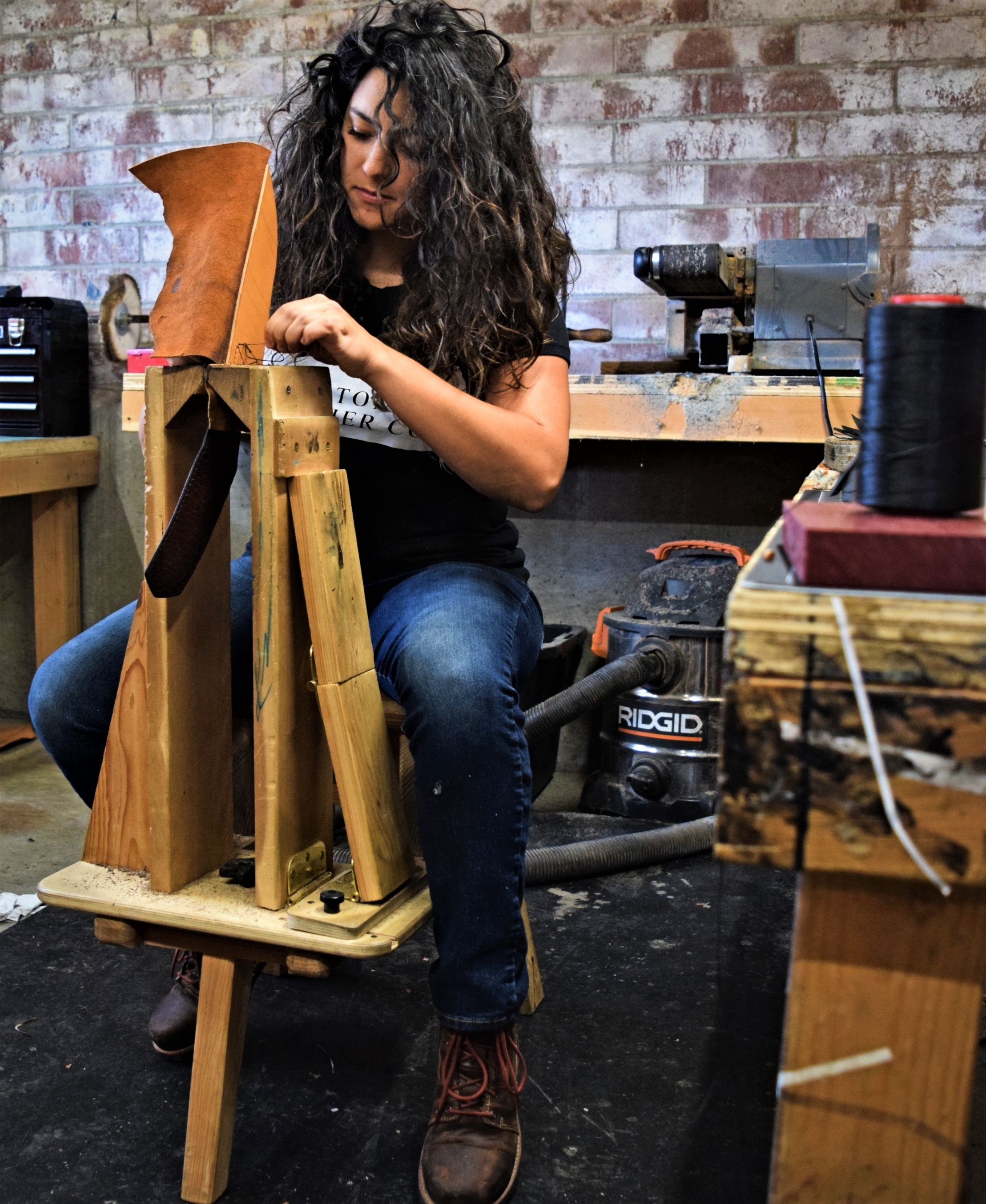
Owners Francesca Ricci and her husband Zach Ricci make each item by hand. Their products are often custom-made, creating a unique project together with the customer. This combination of unique materials, craftsmanship and custom design leads to heirloom quality accessories. Like the custom knife market, the demand for handmade leather products is growing rapidly. “Our business has collapsed,” Francesca said. This boom has led to new opportunities such as creating leather gun cases, rifle slings and whiskey bags in partnership with Griffin & Howe.
You can buy leather wallets, belts, and rifle slings from big box stores, so why are people willing to spend more for one from Teton Leather Company? Materials and craftsmanship.
When you look at something made by Francesca Ricci the first thing that catches your attention are the materials. The unique texture of a beavertail or stingray and the rich tone of a bison or moose. Francesca said, “I think working with exotic objects opens up a lot of opportunities. They’re all very unique.” “For me, it’s perfect because I can choose from this huge variety of ingredients.”

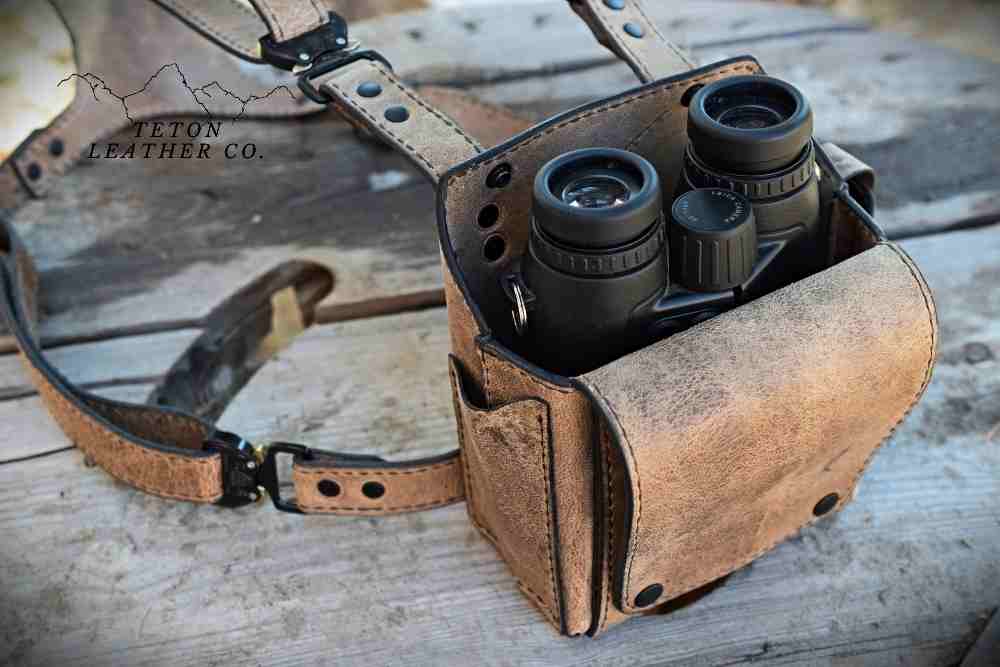
Materials like stingray and beavertail not only open up creative options. They also create new challenges. “Stingray was used for the armor and it has a textured feel to one side,” Ritchie said. “Beavertail is an oily leather that requires a completely different cutting technique.”
Despite the challenges that come with these materials, Richie is always looking for exciting new leathers to use. “We’re going spearfishing for lionfish,” he said. “We will cook them and use the leather to make a special range of items.”
Richie lives for these challenges, and it inspires his creativity. “Somebody can pitch me an idea, and the more challenging it is, it’s almost like a high,” she said. “I love how his ideas work on leather.”

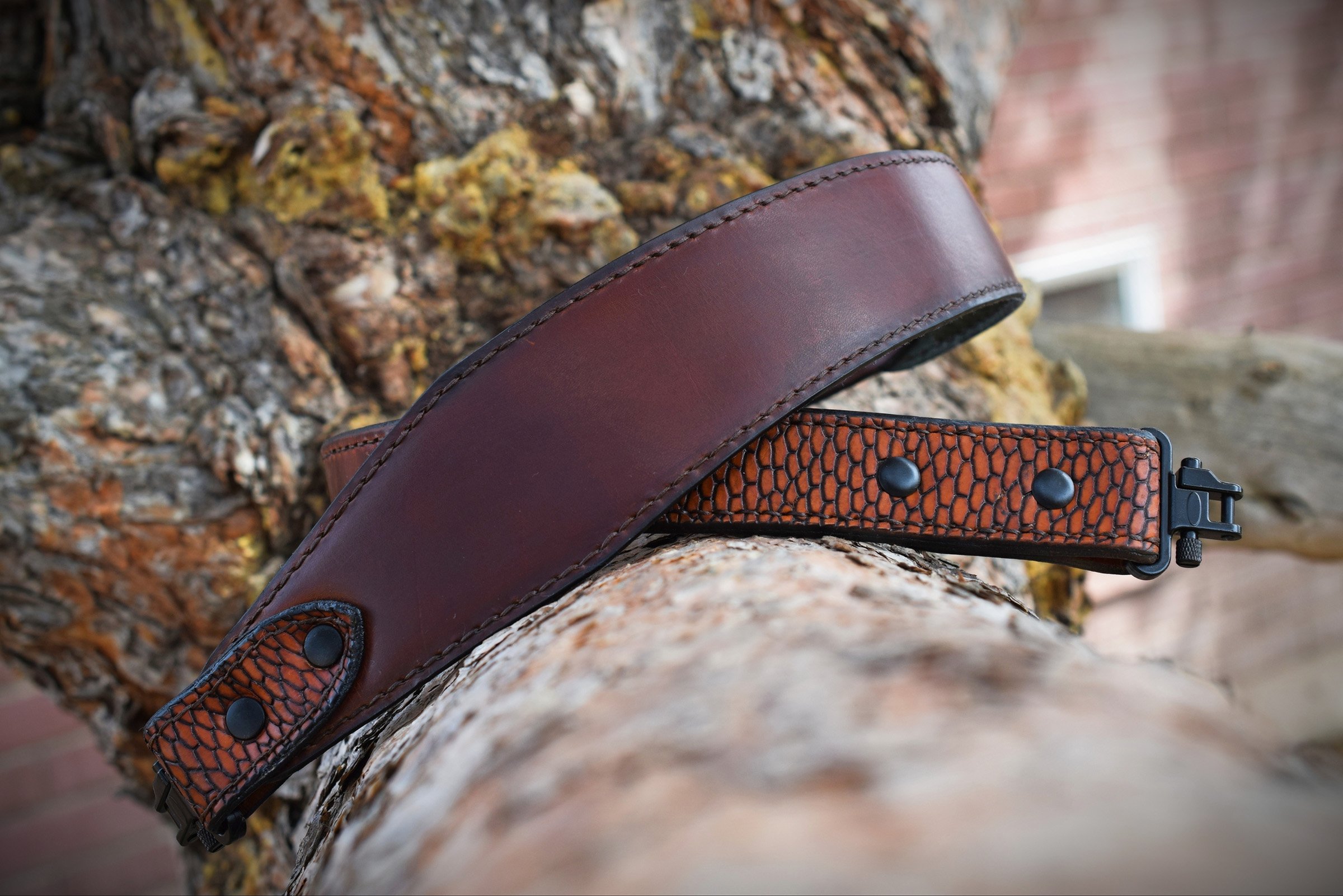
Ritchie’s customers seek him out for his unique selection of materials and superior craftsmanship. Working with unique ingredients and providing superior products is what she loves most.
“The biggest thing I want is the joy my customers feel when they find something great,” Ritchie said. “I would like my legacy to be that I made things that were wearable and that will stand the test of time. They can see a little part of me that I put into my work.”
Trent Wengrad, Wengrad Archery
Trent Wengrad’s Vanguard Archery In Sandpoint, Idaho makes one of the most sought after recurve bows. The demand for his bows is so high that you won’t be able to get them shipped to you tomorrow, a month or even a year from now. There is currently a three-year waiting list for Vanguard to begin making their bows. But, his customers are happy to wait for his unique bow.
His customers don’t mind the wait as waiting periods of several months to a year are not uncommon for custom traditional bows. “Obviously everyone wants their bow tomorrow, if they can make it,” Weingard said. “Normally, it’s not a big deal, but I talk to people who aren’t willing to wait that long, and it’s totally understandable.

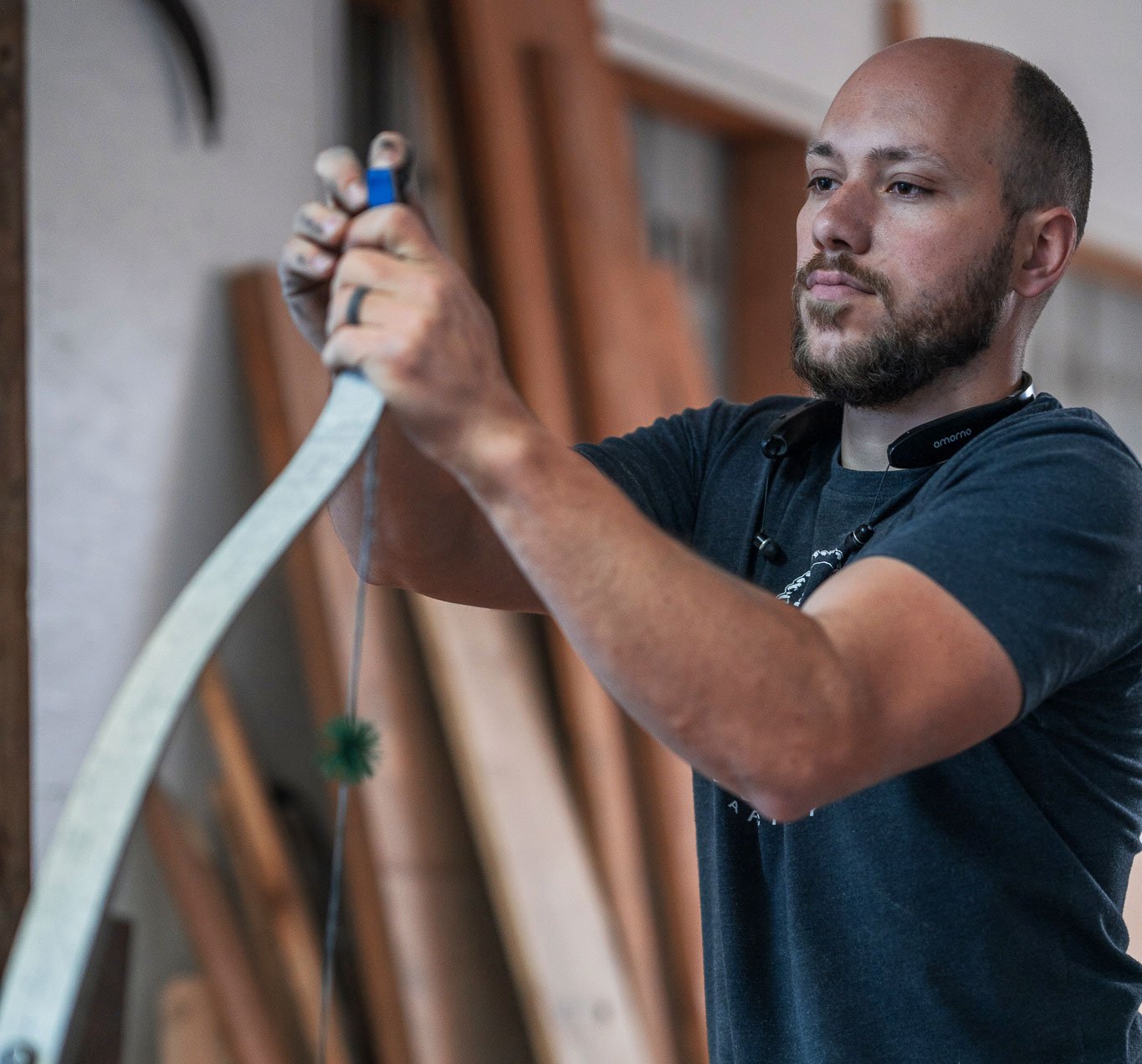
When Vanguard first started their company in 2017, their waiting list was a few months, but it steadily grew, as did the waiting lists of many other bow manufacturers. “I definitely think the demand has increased,” Weingard said. “I started making bows full-time about the same time it started taking off. It seems like it’s become more and more popular.”
Demand is one reason archers have to wait for their bows, another reason is that it takes a long time to make one of these bows. Most bow makers do not use CNC machines or other automated machinery to speed up production, and most are one-person operations.
Read Next: So Do You Want to Hunt With a Traditional Bow?
To make the bow, Vanguard starts by cutting a double-footed flare design from riser material which can be made of wood or G10. After the three riser pieces are cut, they are hand milled to fit and glued with accent strips between them.

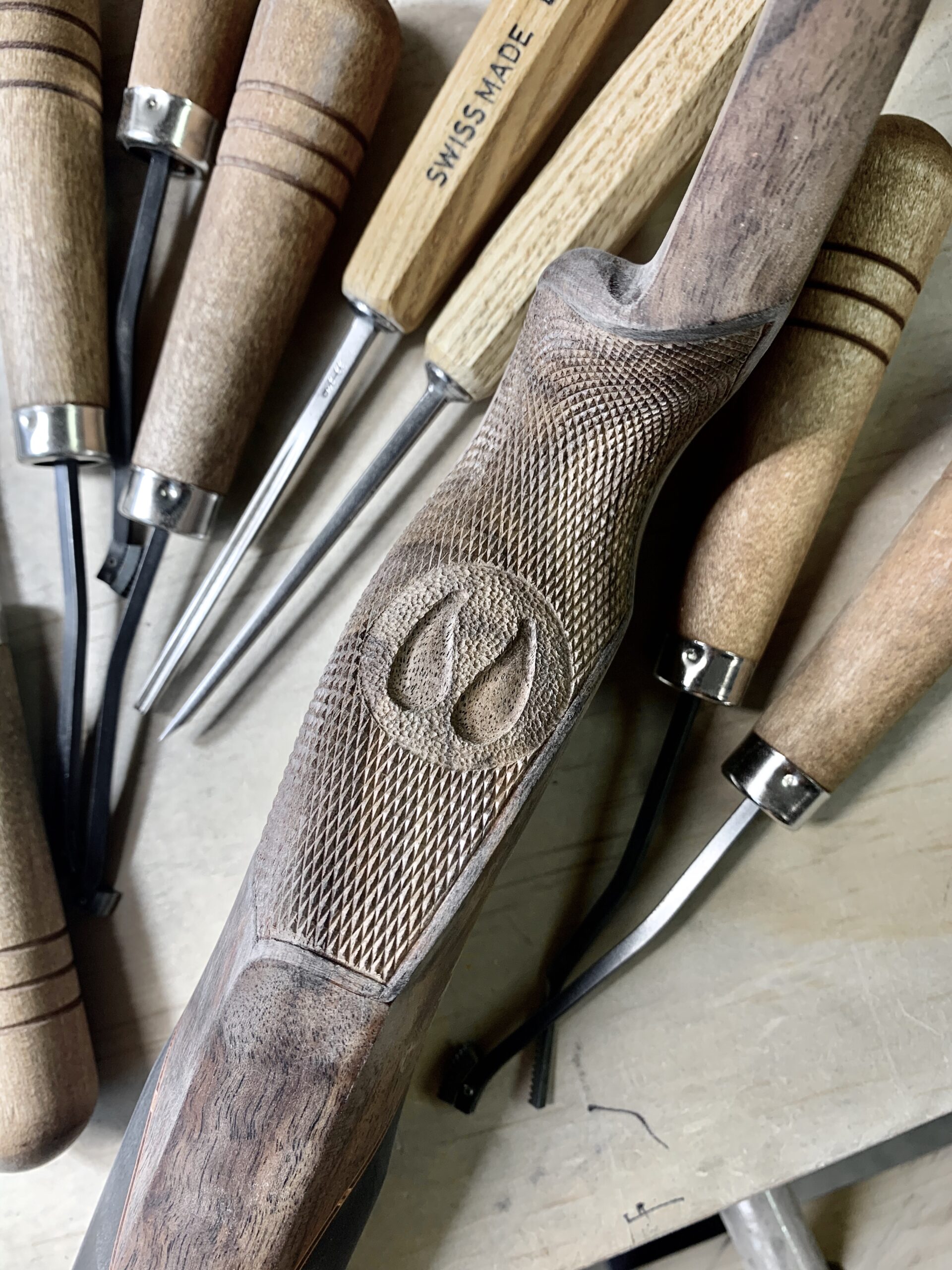
After this, the organs are created. “I would cut bamboo, carbon and fiberglass and get them to the proper thickness,” Wengard said. “This is how you determine the draw weight based on the thickness of the material.” The thickness of the “stack” must be precise as just .001 inch can change the draw weight by as much as a pound. Those pieces of organ stick together and heal into one shape. Finish work includes cleaning off excess glue, installing string grooves, overlays, tillering, shaping the grip hand finish, and applying epoxy-based clear coat. The entire process typically takes 15 to 25 hours, but Wengrad spent several days adding custom touches such as detailed carving.
Vanguard is known for custom touches such as detailed relief carving and inlay. He said, “I made a bow for a customer who wanted carving on the entire bow. There was no part of the bow without carving.” “Bows like that, you don’t forget them because you spend so much time on them.”

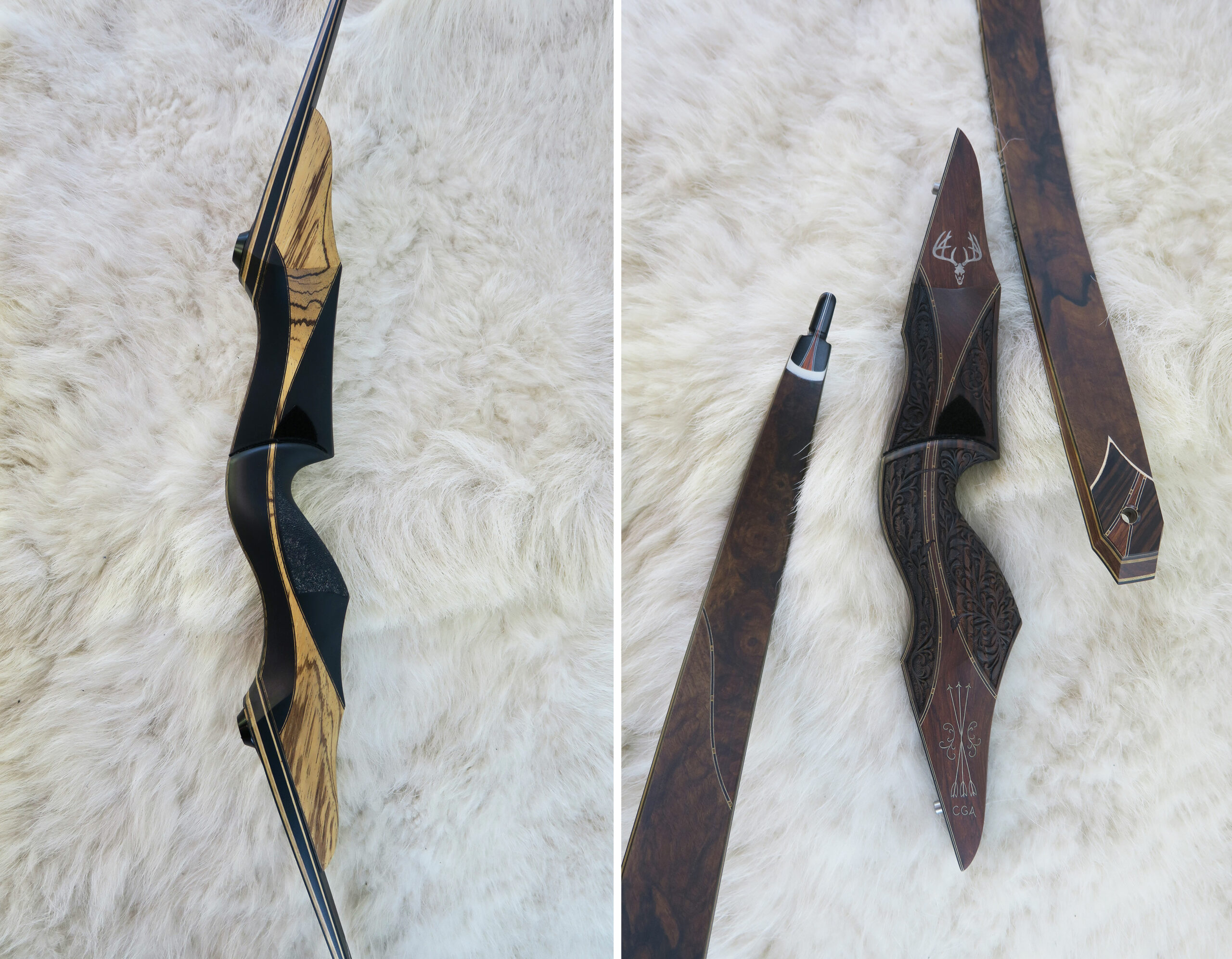
Vanguard’s customers want their custom bows to be custom. “The great thing with custom bows is that one can pick out all the little details of the bow,” he said. “There are options for everything from riser length, limb length, how far off center the bow is cut, exotic woods, custom grips, and even limb tip design. They really enjoy choosing those different things and being part of the process.”
When we are part of the process we develop a connection to the bow, the person who made it, and the memories we will make using it. This is not a bow we will buy one year and then upgrade the next. A handmade knife is not one we would let rust in a drawer and then throw away. We will not throw our custom leather gun cases in the mud. Handmade gear brings back old-school craftsmanship and the idea that gear is something that deserves to be taken care of. It is something that should be passed on from generation to generation.