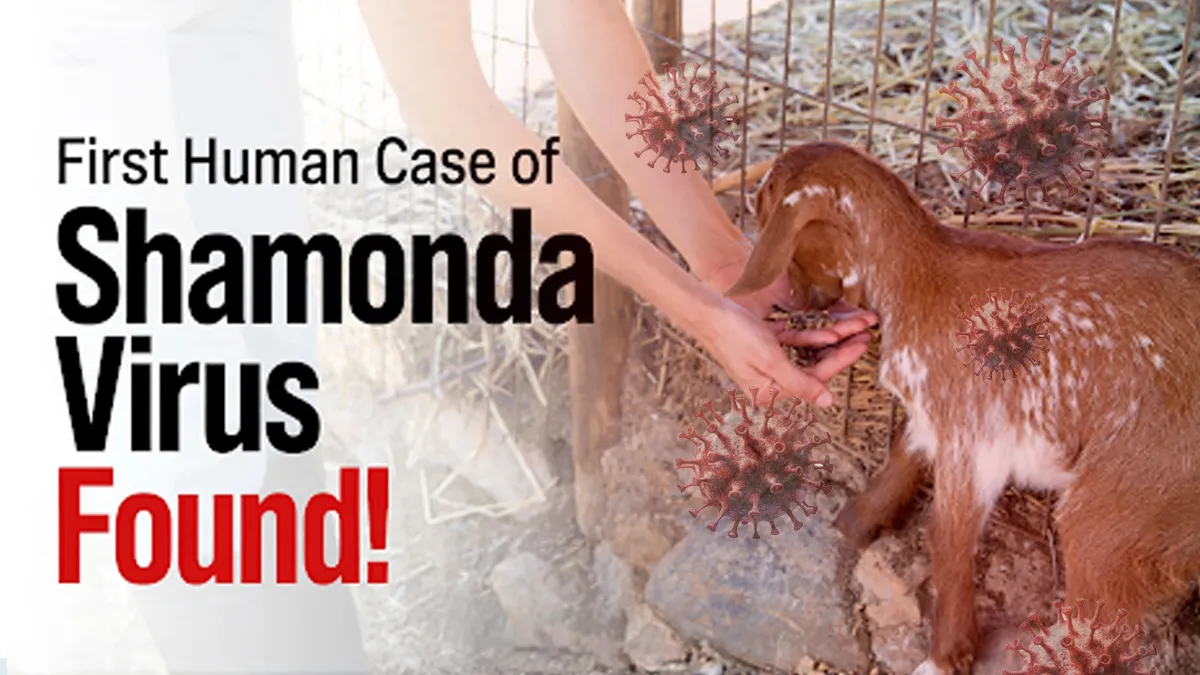
France has reported the first known human case of Shamonda virus, an infection previously known to affect animals, according to a news report. The patient, who had an underlying health condition, died in a hospital in Lyon in early October. The case has drawn attention to the possibility of animal viruses infecting humans.
French health authorities believe the patient may have contracted the virus through a bite from a midge, a small biting insect. However, further investigation is needed to understand the circumstances of the infection and its potential implications for public health.
What Is Shamonda Virus?
Shamonda virus is a virus that primarily affects livestock, particularly cattle. It has been reported in parts of Africa and Asia and is associated with infections in animals such as sheep, goats, alpacas, and horses.
- The virus belongs to the Orthobunyavirus group and is associated with insect transmission.
- Midges can spread certain viruses between animals when they bite infected hosts.
In livestock, Shamonda virus infection can cause symptoms such as fever, diarrhoea and reduced milk production. However, information about its effects on humans remains extremely limited because this is the first known human case.
How Did the Patient Contract the Virus?
According to reports, French authorities believe the patient may have acquired the infection following a midge bite in eastern France.
The patient was reportedly suffering from a serious underlying illness and had a weakened immune system. This may have increased their vulnerability to severe infection, although the precise relationship between the virus and the patient’s death requires careful investigation.
The case was described as exceptional by French authorities. Health officials are examining the available evidence to better understand how the infection occurred.
The detection of the virus in a human does not, by itself, establish that it can spread easily between people or cause widespread disease.
Can Shamonda Virus Spread Between Humans?
There is currently no established evidence that Shamonda virus spreads from person to person.
The reported case is significant because the virus was previously associated mainly with animals. However, one human infection does not necessarily mean that the virus has developed the ability to spread efficiently among people.
Further investigations are needed to establish how the patient became infected, whether any specific factors contributed to the illness, and whether other human infections have occurred.
Until more information becomes available, it is important not to confuse the detection of a rare infection with evidence of an emerging epidemic.
Who Is at Risk?
The risk to the general public remains uncertain because human infections have not previously been documented.
- People with weakened immune systems may be more vulnerable to some infections, but there is not enough evidence to determine whether particular groups face a greater risk from Shamonda virus specifically.
- People living or working in areas with livestock and biting insects can reduce their exposure to insect bites by wearing suitable clothing, using appropriate insect repellents, and taking steps to limit insects around their surroundings.
- Farmers and animal handlers should also follow veterinary guidance when dealing with livestock suspected of having an infection.
Should People Be Worried About Shamonda Virus?
The first reported human case highlights the importance of monitoring infections that circulate in animals and understanding when they may cross into humans.
However, the available information does not establish that Shamonda virus poses a widespread threat to people. There is also insufficient evidence to determine how often human infection might occur or how severe the illness could be in different individuals.
Scientists and public health authorities will need further evidence to assess the virus’s potential impact. For now, the case serves as a reminder of the importance of surveillance, early investigation, and cooperation between human health and veterinary experts. More research will be essential to understand the virus and determine whether the reported infection represents an isolated event.