Eicher Motors’ consolidated net profit rose 15 per cent year-on-year (YoY) to ₹1,573 crore in the second quarter of FY27, driven by record sales at Royal Enfield and strong performance by its commercial vehicle business. The company reported its highest-ever quarterly revenue from operations at ₹7,422 crore, up 20 per cent from ₹6,172 crore in the corresponding quarter of the previous financial year.
Profit before interest, depreciation and tax (PBIDT) increased 14 per cent to ₹2,277 crore during the quarter. Sequentially, net profit increased 7.6 per cent, while revenue grew 11.9 per cent over the first quarter of FY27. Royal Enfield recorded its highest-ever quarterly motorcycle sales of 376,722 units, registering growth of 15 per cent YoY. Domestic sales stood at 340,847 units, up 16 per cent, while exports accounted for 35,875 units. The results were announced after market hours.
The company’s shares rose 1.84 per cent, ending the day’s trade at ₹7,674.65 apiece on the BSE. The company said demand remained strong through the festive season, with enquiries and bookings continuing to grow even after Diwali. However, retail sales during the festive period were constrained by limited supplies, with dealer inventory standing at just 7-8 days after the festive season, compared to the normal level of two to three weeks. During the earnings call, B Govindarajan, managing director of Eicher Motors and chief executive officer of Royal Enfield, said the company had increased monthly production by around 15 per cent this year.
Its bookings have grown more than 20 per
Its bookings have grown more than 20 per cent year-to-date compared to the previous year. “Having started our festive season with significantly lower channel stock, our retail for the season was limited by supplies. Post Diwali, our channel stock is only about a week’s time now,” he said. The company is now scaling up production to replenish dealer inventory and cater to growing demand.
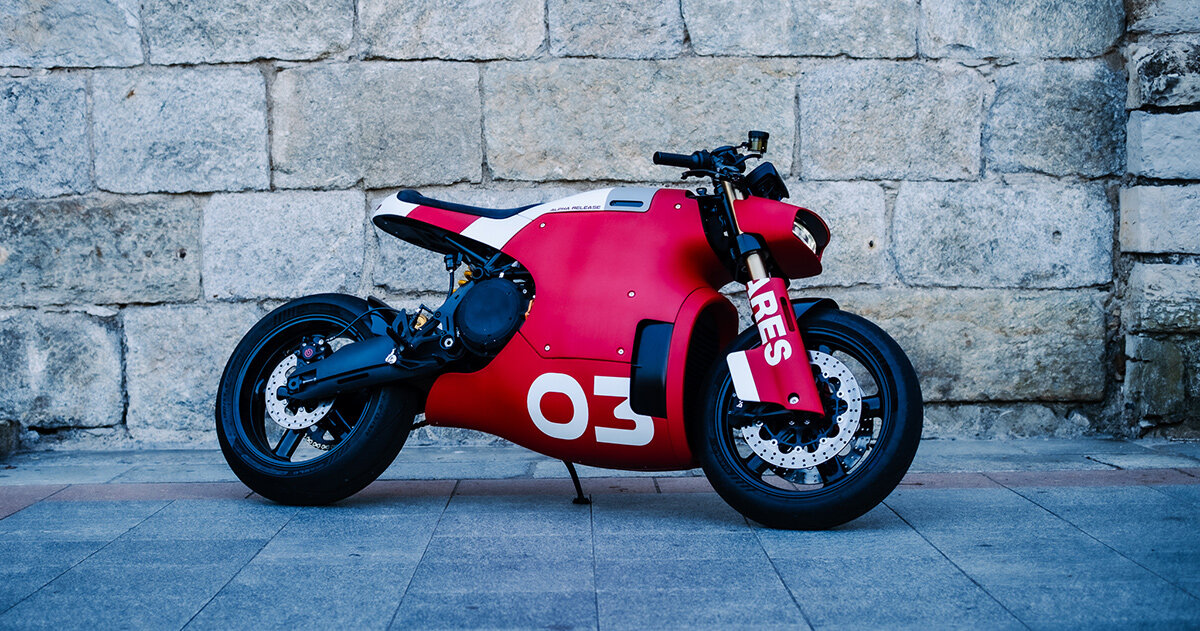
Govindarajan said the company expects the growth momentum seen in the first half of FY27 to continue. On the product front, Royal Enfield launched the Himalayan 440 during the quarter, which received a strong customer response, with bookings exceeding expectations. The company also introduced the Classic 350 Gorkha Edition and updated the Classic 350 and Continental GT 650. The company’s electric motorcycle brand, Flying Flea, is also expanding its presence.
The Flying Flea C6 has been introduced in five European cities — Paris, Barcelona, Rome, Berlin and London — while its retail presence in India has expanded to Hyderabad and Pune, besides Bengaluru. The electric motorcycle has clocked more than 125,000 kilometres of customer rides, with over 200 units delivered in India, Govindarajan said. On international expansion, the company said its overseas market share stood at around 8.5 per cent.
Brazil remains its largest market outside India, while
Brazil remains its largest market outside India, while it is exploring opportunities in Africa, Mexico and Indonesia. The company currently operates seven completely knocked-down (CKD) assembly facilities outside India. Govindarajan said the company was studying these markets to assess the potential for its motorcycles and would enter them when the time was right. Meanwhile, VE Commercial Vehicles (VECV), Eicher Motors’ joint venture with Volvo Group, reported its best-ever second-quarter sales, with volumes increasing 28.2 per cent to 28,071 vehicles.
Its revenue from operations rose 24 per cent to ₹7,569 crore, while profit after tax increased 37 per cent to ₹342 crore. B Srinivas, managing director and chief executive officer of VECV, said the company expects the growth momentum witnessed in the first half to continue in the second half of FY27. He added that demand remained broad-based across rural, semi-urban and urban markets. The company, however, continues to face commodity inflation, particularly due to higher steel prices and conversion costs.
Srinivas said commodity inflation stood at around 5.4-5.5 per cent, of which nearly half had been offset through price increases by the end of Q2. VECV is also exploring new export markets, particularly in Africa and other emerging geographies, amid changing global trade and logistics dynamics.