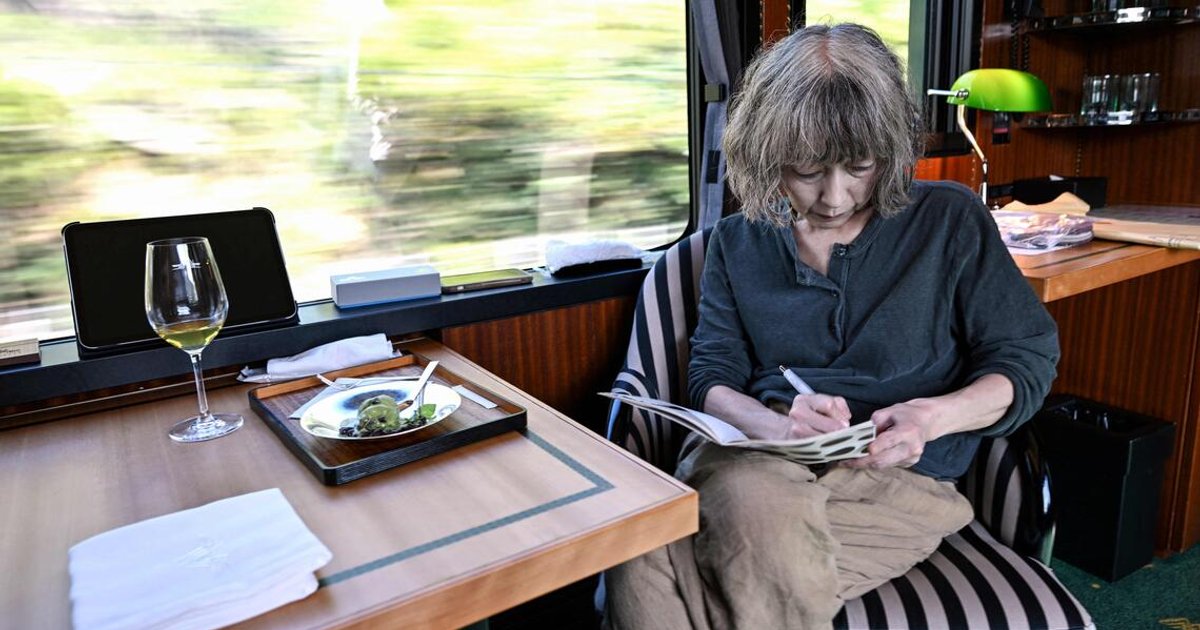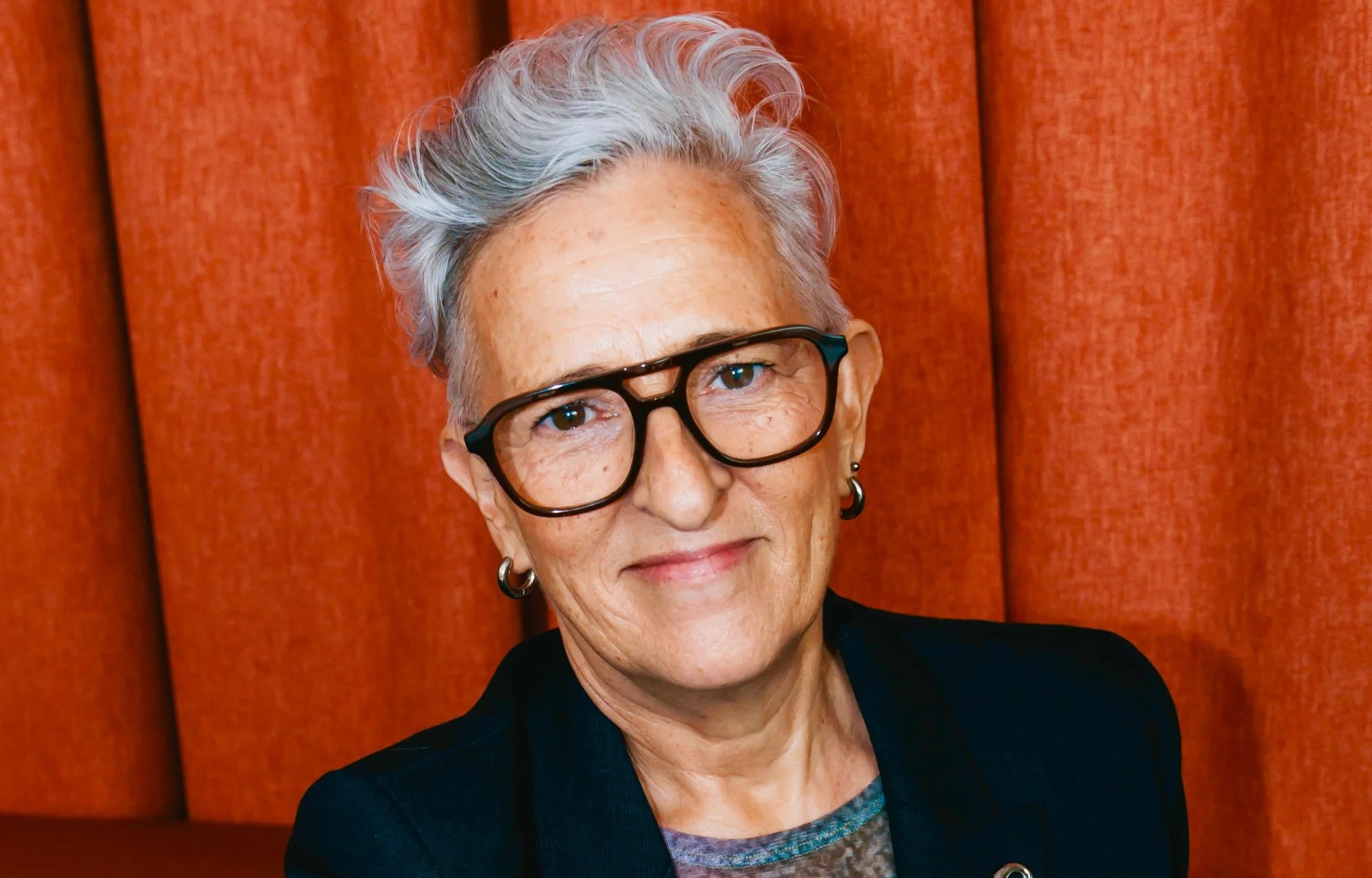
Anna Funder, Charlotte Wood and Markus Zusak speak out at the Joint Select Committee on AI.
22 Oct 2026 12:35
A formidable group of Australian authors and book industry representatives attended a hearing for the Joint Select Committee on Artificial Intelligence in Sydney yesterday, 21 October, to oppose any watering down of copyright law in favour of big tech.
The group called on the Australian Government to protect authors’ and illustrators’ control over their work and put consent, transparency and fair payment at the centre of its response to AI and copyright.
Representing the book industry were authors Anna Funder, Charlotte Wood and Markus Zusak; Australian Society of Authors CEO Lucy Hayward; Australian Publishers Association CEO Patrizia di Biase-Dyson; APA Head of Policy Dr Stuart Glover; and Hachette CEO Louise Stark.
Authors speak up against copyright changes – quick links
Leading authors urge Australian Government to defend copyright laws
In opening statements to the committee, the authors detailed the theft of their work by overseas tech giants, and why copyright is fundamental to how creators are able to earn a living and generate value from their work.
‘Australia has excellent copyright laws, which need protection and strengthening,’ said Charlotte Wood, whose latest novel, Stone Yard Devotional, is being adapted for the stage as part of Malthouse Theatre’s 2027 season.
‘Copyright licensing supports careers like mine, including the licensing of UK rights to my last novel [Stone Yard Devotional], enabling it to be shortlisted for the world’s most prestigious literary award, the Booker Prize, in turn leading to enormous economic benefit to me and a boost to our book industry.
‘Licensing – directly through publishers and collecting agencies – happens every day. It is careful work, but it is not complicated. When the AI companies claim it is impossible, they are lying to you.’

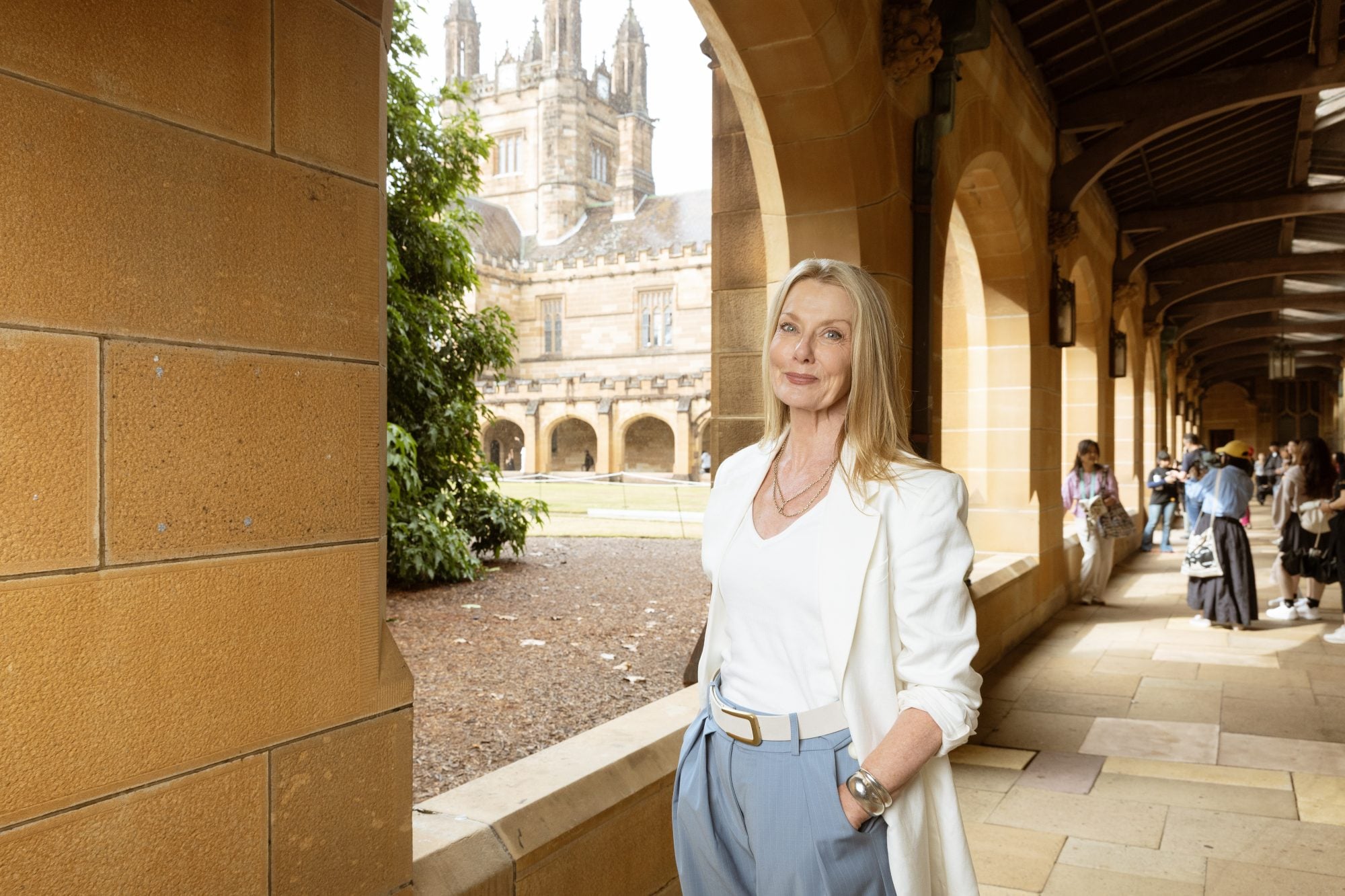
Anna Funder, the multi-award-winning author of Wifedom and other titles, also emphasised the importance of copyright, saying: ‘The AI companies need to come to the table and make licensing deals, like everyone else who wishes to use our work, which is our property.’
Funder, who was recently appointed as a Professor of Practice in Creative Writing at the University of Sydney, also said: ‘Language is the greatest technology ever invented, and they know it. It is how we see inside ourselves, and each other. It is how we understand what it is to be human. Pope Leo has said that AI poses risks to “human dignity, justice and labor.” All three are vitally protected by copyright. We ask you not to destroy them.’
ArtsHub: Anna Funder: ‘I have zero interest in a book produced by a machine’
Highlighting part of what is at stake if the Australian Government were to erode copyright law for AI training, writer Markus Zusak, author of the international bestsellers The Book Thief and The Messenger, told the committee: ‘It’s hard enough for most creative people to make a living as it is – and we realise that’s a choice – but if we don’t fight for it now, it won’t be that long till there’s almost nothing left to fight for at all.’
He added, ‘Fair copyright for our efforts – and for the efforts of writers and all artists around the world – seems like a pretty fair request.’
Speaking on behalf of Hachette Australia, Louise Stark called on AI companies to disclose which works they have used to train their models and to ensure that any future use is subject to licensing arrangements that fairly compensate creators.
‘Our request is straightforward: transparency, tried-and-tested licensing, and control through opt-in consent,’ she told the committee.
Stark opposed the proposed opt-out model that would allow AI companies to use copyrighted works unless rights holders take steps to exclude them. Hachette does not consider current opt-out technologies reliable enough to protect authors and illustrators because they depend on third parties recognising, interpreting and honouring rights holders’ instructions.
ArtsHub: An opt‑out system for AI companies doesn’t gel with copyright laws
‘AI companies seeking an opt-out model are asking government to reverse a basic principle: if you want to use someone else’s work, you should first seek permission,’ said Stark.
‘An opt-out model shifts the burden onto the very people whose rights should be protected. It requires authors to identify uses of their work they may never see, navigate complex technical requirements, and enforce their rights against companies with vastly greater re
Stark also raised concerns about the impact of AI-generated books on readers’ ability to discover human authored work and make informed purchasing decisions.
‘In an overwhelmed marketplace, how will readers discover human authored work? How will they know what they are buying and whether they are paying a fair price?’ she asked.
AI safeguards don’t pass the pub test
Speaking on behalf of the Australian Society of Authors, Lucy Hayward expressed deep concern about the Government’s ‘defeatist attitude’ in the face of ‘tech exceptionalism’.
‘We’ve heard a lot about tech’s ‘red lines’. No asking permission, no calling it a license, no liability,’ said Hayward.
ArtsHub: Sorry Albanese, the creative sectors aren’t going to stop worrying about AI job threats
Hayward continued: ‘It gives the impression not so much of AI on Australia’s terms, but as foreign corporations dictating what they get, how they get it, what it’s called, and which laws they can change, all for a gold coin donation. It doesn’t pass the pub test.
‘We cannot be so indoctrinated by tech exceptionalism as to believe the largest companies on the planet cannot possibly obey our laws. We should be appalled by such a defeatist attitude.
‘How is the government going to face the world’s creators, if we upend copyright here? How is the government going to face Australian creators, and tell them we’ve removed the one bargaining chip they have – their rights to their work in this country? All to make Big AI more profitable.’
In a submission to the Joint Select Committee on Artificial Intelligence, the ASA called for the Federal Government to strengthen Australian copyright law to compel AI developers to license copyright work, irrespective of where their models are trained.
Specifically, the ASA has suggested a clarification of the importation provisions to expressly include AI models, and the introduction of statutory damages.
ArtsHub:More news about AI in the arts
Louise Stark reinforced that the outcome must reflect the interests of Australian creators, publishers and readers, not only those of companies seeking access to their work, adding: ‘Authors deserve to be financially rewarded for their creativity. Publishers need certainty to invest in the books of the future. Readers need confidence when choosing the books they want to read.’
The Joint Select Committee on Artificial Intelligence, chaired by Labor MP Jo Briskey with Liberal Senator Jonathon Duniam as Deputy Chair, is examining how AI interacts with copyright law, including the use of Australian creative, cultural and media content to train AI models. The final report is due on 30 November.
Alannah Sue
Alannah Sue (she/her) is a journalist, writer and theatre critic with a passion for arts and culture and all that glitters. She joined the Creative Hubs Group team as Senior Arts & Screen Journalist after relocating to Melbourne in 2025. She previously served as Arts & Culture Editor at Time Out Sydney and contributes to various publications.
She is always keen to take a chance on weird performance art, theatre of all kinds, out-of-the-box exhibitions, queer venues, and cheap Prosecco. Give her half a chance, and she will get on a soapbox when it comes to topics like the magic of musical theatre, the importance of rigorous arts criticism, and the global cultural implications of the RuPaul’s Drag Race franchise. Got a pitch for Alannah? Send an email to: [email protected]