Keith Lusher 06.18.26


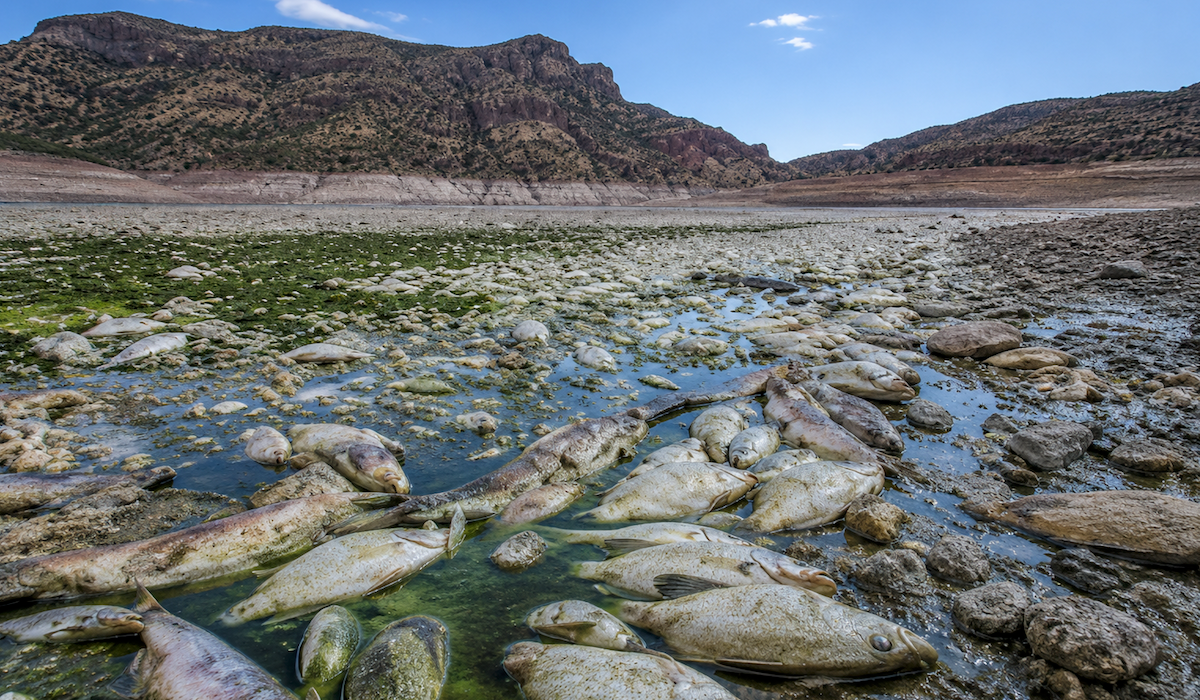
One of Arizona’s most popular fishing destinations has been closed indefinitely after a catastrophic fish kill has destroyed nearly the lake’s entire fish population.
San Carlos Recreation and Wildlife Department On June 5, it was announced that San Carlos Lake was closed to all fishing and recreational activities due to what officials described as a “significant fishing incident” that affected nearly 100% of the fish population.
The closure comes after months of worsening drought conditions and rapidly falling water levels in the reservoir. San Carlos Apache Reservation About 120 miles east of Phoenix.
According to officials, a prolonged drought and the release of water from Coolidge Dam caused the lake level to drop, creating conditions where fish could not survive.


Just two months before the die-off, wildlife managers warned that the chances of a fish die-off were increasing. In an April 3 update, the department reported that Lake San Carlos had dropped to only 1.93% of its capacity and was falling at a rate of about 0.5% every 10 days.
“The fish die-off is likely before the end of the month,” officials wrote at the time.
Unfortunately, that prediction became reality.
As water levels decrease, oxygen levels also decrease, especially during extreme heat. Fish become increasingly trapped in shallow waters where rising temperatures and low oxygen concentrations can rapidly trigger mass die-off events.
Officials say the rotting fish now pose a potential risk to the health of visitors, leading to its immediate closure.
Due to potential health risks from rotting fish, authorities have banned fishing, keeping or harvesting fish from the lake and all recreational activities related to fishing until further notice.


The department is asking the public to respect the closure and avoid the affected area while they evaluate conditions.
Located behind Coolidge Dam on the Gila River, Lake San Carlos is one of Arizona’s largest reservoirs and has long been a popular destination for fishermen. At full pool, the lake covers more than 150 miles of shoreline and supports a variety of warm water fish species.
The fish kills are a reminder that drought continues to pose challenges to fisheries throughout the Southwest. As reservoirs shrink and water temperatures rise, fisheries managers across the region face increasing pressure to protect fish populations and maintain recreational opportunities.
For now, anglers hoping to fish Lake San Carlos will have to wait. The San Carlos Recreation and Wildlife Department says it will continue to monitor conditions and provide updates on any future reopenings.


keith lusher
Keith Lusher is an award-winning outdoor journalist who lives in Covington, Louisiana. He owns and operates NorthShoreFishingReport.com and writes a weekly outdoors column for the Slidell Independent Newspaper. He also writes for the St. Tammany Parish Tourism Commission’s VisitTheNorthshree.com. He is the former host of The Northshore Fishing Report radio show and is on the board of the Louisiana Outdoor Writers Association. Keith contributes to numerous publications both online and in print and is proud to promote the unique fisheries of South Louisiana. To contact Keith email: keithlusherjr@gmail.com