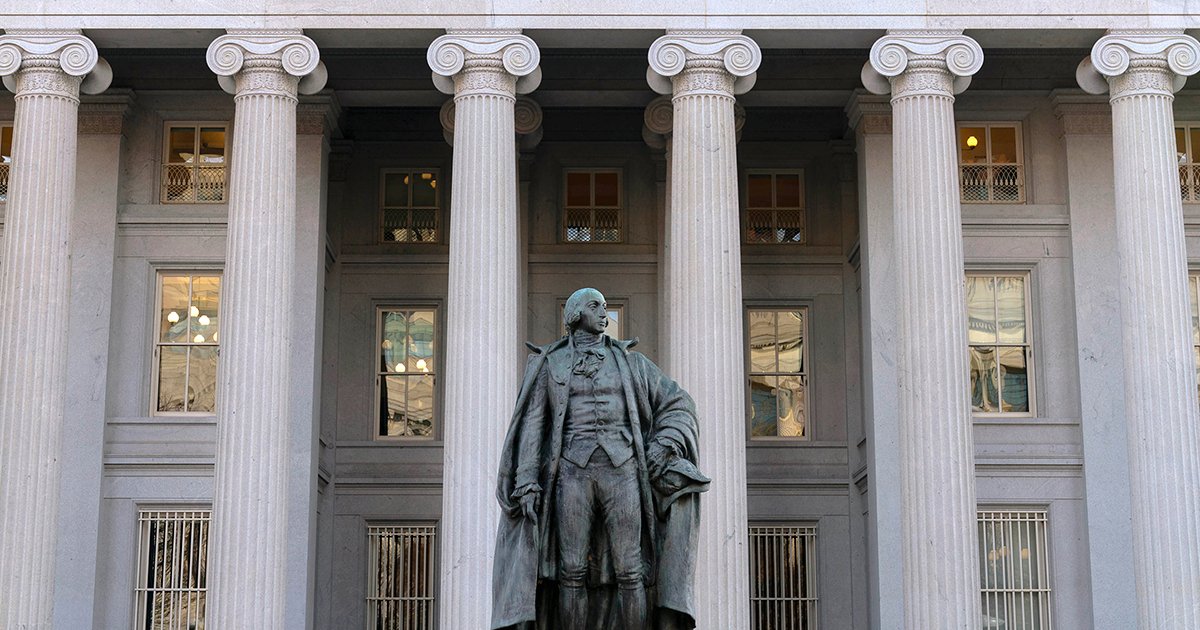
The US Treasury Department issued a temporary, 60-day license, allowing Iran to sell some of its energy exports until August 21. I (Patrick Semansky/AP)
key takeaways:
- The US issued a 60-day Treasury license, allowing Iran to sell oil until August 21, after President Donald Trump signed the June 17 agreement to end hostilities.
- The move could ease global supply disruptions and revive Iranian exports beyond China, marking a sharp change from years of tough US sanctions.
- Next steps include possible additional licenses, lifting port blockades and releasing assets, while critics warn the policy could finance regional terrorism.
The US has authorized the sale of Iranian oil and petroleum products as part of the deal to end the war against Tehran that President Donald Trump signed last week, a sweeping change after years of increasingly punitive economic sanctions.
The US Treasury Department issued a temporary, 60 day license allows Iran To sell some of its energy exports by August 21. This ultimately opens the door to ending several sanctions programs as part of negotiations between the two countries.
The waiver also allows the US to import Iranian crude oil and other petrochemicals and petroleum products. The US has not imported significant crude oil or fuel from Iran since the 1990s, according to US Energy Information Administration data.
Iran was already rushing to get millions of barrels of its oil onto the global market after announcing a peace deal with the US last week. That supply will now – theoretically – be able to go anywhere, helping countries that were struggling with supplies due to the disruption in the Strait of Hormuz.
Before the announcement, most of Iran’s crude was going to China, offering refineries in the Asian country cheaper barrels.
Shipowners, traders and buyers must now evaluate whether they have the sourcing, financing and time to complete such purchases, after years of not being able to deal with Iran due to sanctions. Iran also has a large fleet of ships that can deliver goods to the country.
—Treasury Secretary Scott Bessant (@SecScottBessent) 22 June 2026
The agreement, which Trump signed on June 17, also requires the US to lift the blockade of Iranian ports and eventually release billions of dollars of Iranian assets in various jurisdictions.
Iran’s economy has been hit by years of sanctions and currency depreciation, and there were widespread anti-government protests in Tehran in the months before the US and Israel launched the war on February 28.
The waiver will provide some economic relief to Tehran’s leaders, with additional licenses expected in the next few days. But the concessions have also fueled domestic criticism in the US – including from some Republicans – that the Trump administration is giving Tehran an economic lifeline that could fund terrorism in the region.