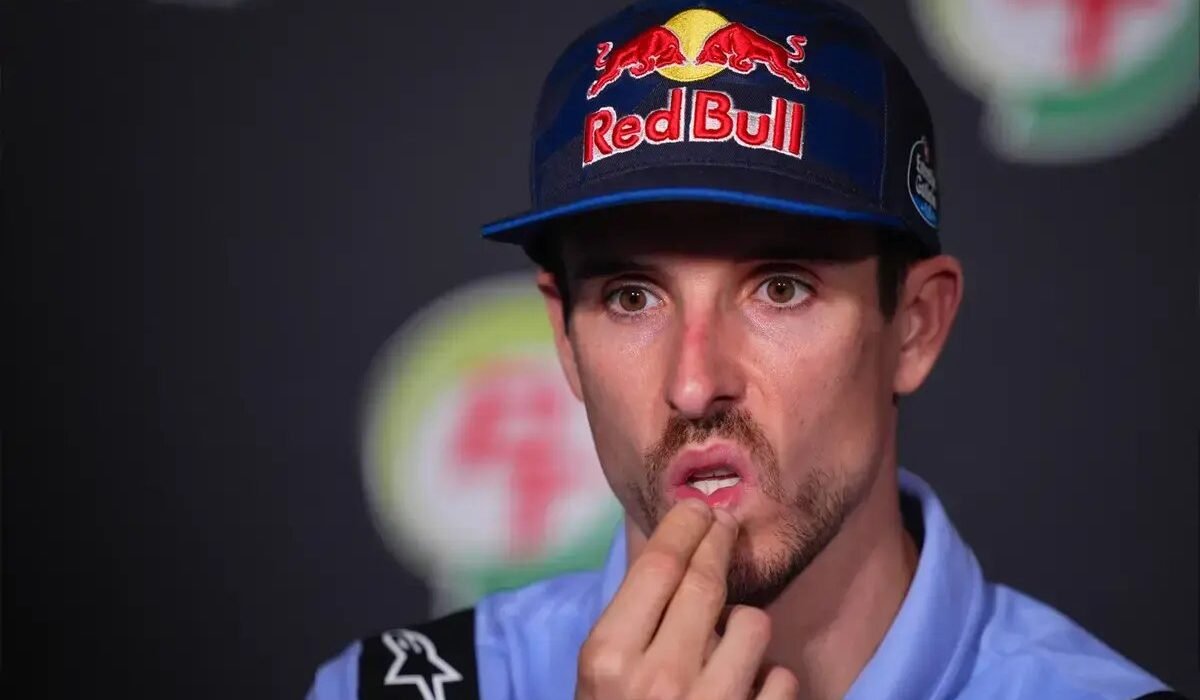
Against all medical logic and expert advice, Alex Marquez is ready to climb back on his MotoGP bike just a month after suffering a spinal fracture that forced him to sit on the bench for several weeks. The Spaniard’s intriguing decision to line up for the Czech Grand Prix despite his spine still healing has sent shockwaves through the paddock.
Marquez, who suffered devastating injuries in a brutal crash at the Barcelona GP last month – the collision was so violent it tore his bike apart and broke his collarbone and vertebrae – will attempt a remarkable comeback in Brno this weekend. The 28-year-old Gresini rider was initially scheduled for a six-week recovery after damaging his C7 vertebra. Nevertheless, only 33 days after the accident, he is ready to test his limits in practice, hoping to fully succeed in the race.
This isn’t just another MotoGP comeback story. The stakes are much more serious. Spinal cord injuries, especially neck injuries, don’t compare to the broken arms and collarbones that riders routinely shake off. When the bones of the vertebrae are involved, the consequences can be catastrophic. And yet, Marquez is willing to defy the odds and medical expectations for a shot on the grid. The fracture remains the “biggest concern” for team doctors, who will thoroughly evaluate Márquez before allowing him to fully participate. The MotoGP paddock is no stranger to riders pushing the limits of human endurance, but the risk here is terrifying.
Adding to the intrigue is the fact that Marquez, who is currently eighth in the championship standings, is neither playing for a title nor for his future in the sport. His championship hopes have already been dashed for this year, and reports suggest he has agreed a deal with KTM’s factory team for 2027, securing his place in the paddock for years to come. There are no contracts on the line, no desperate bidding for points. By all rational accounts, he could and perhaps should have waited for the Brno and Assen doubleheader before returning to the German Grand Prix, just before the summer break. But as anyone who follows MotoGP knows, logic and caution are not the currency of this sport.
Gresini’s decision to bring Marquez back so soon is made even more curious by the performance of his stand-in. Iker Lecuona, a regular in the World Superbike Championship, made a strong impression as a substitute for Márquez at Balaton Park, finishing a creditable seventh and proving he is capable of holding down the fort. But despite all his efforts, Lecuona’s tenure was always fleeting.
The man has not yet commented directly on the extraordinary risk he is taking. Team sources remain cautious, saying the main message is one of hope and caution. “The fracture is the biggest concern,” a team spokesperson acknowledged, underscoring the seriousness of Marquez’s condition and the fine line between heroism and recklessness.
All eyes are now on the pit lane at Brno, where Marquez will undergo a final medical inspection before being given the green flag for Friday’s Free Practice 1. The question is not just whether he can ride, but also whether he should ride. What happens next could set a precedent for what is expected of injured riders – raising uncomfortable questions about the culture of risk and reward that defines MotoGP. Will Marquez’s gamble pay off with a heroic ride, or will it serve as a stark warning about the dangers of pushing the limits too far? One thing is certain: this weekend, every eye in the paddock will be watching, waiting to see whether Alex Marquez’s spine – and his resolve – can withstand the unforgiving demands of Grand Prix racing.