

Every November, the world turns its attention to men’s health to encourage conversations about mental well-being, suicide prevention, and physical health. In South Africa, mental health features most prominently in these conversations.
Although South Africa is widely characterised as a patriarchal society, this description can sometimes create the misleading impression that all men enjoy positions of dominance, power, and privilege. This is because the lived realities of many South African men tell a more complicated story. Across all walks of life, many men continue to grapple with issues of unemployment, stagnation, child custody battles, and unrealistic and sometimes contradictory social expectations. Therefore, November presents a timely opportunity for reflection on some of these issues.
Assuming that society really pays attention, one wonders: what happens when November ends? That is, do the men who are encouraged to speak about their struggles suddenly find themselves in environments where vulnerability is appropriately accepted, or do they return to a society that still expects them to live up to the traditionally ascribed standards? I’m asking because it has become a popular cliché to encourage men to break their silence without adequately confronting the social factors that condition them to remain silent in the first place.
Some facts about men’s mental health crisis
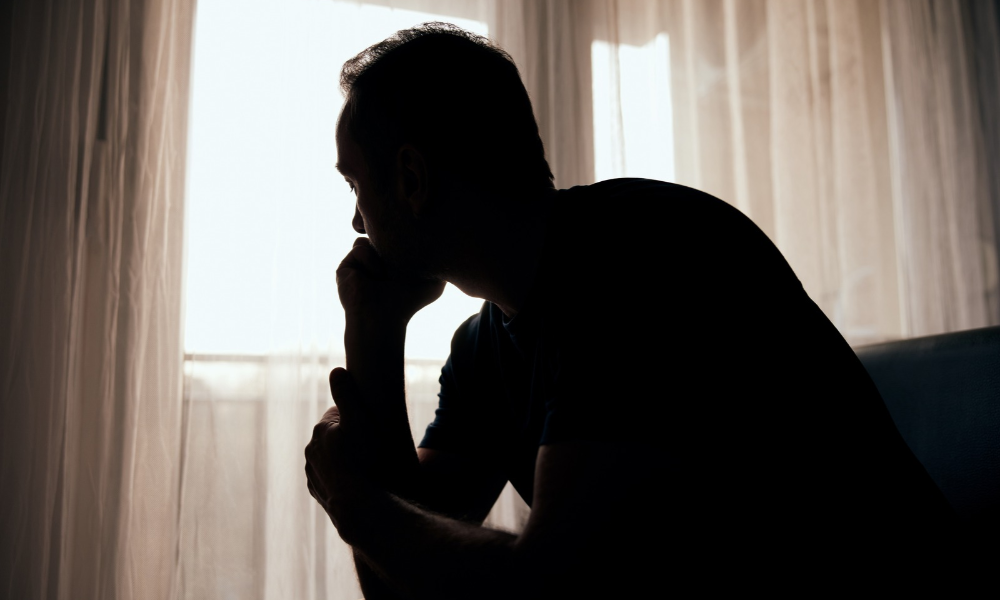
Speaking of men’s mental health crisis, the most extreme way in which it manifests itself is through suicide. According to the World Health Organisation (WHO), more than 720 000 people die by suicide each year globally, and men account for nearly three-quarters of those deaths. In South Africa, the picture is equally alarming. The South African Depression and Anxiety Group (SADAG) reports that men are four times more likely than women to die by suicide, often without ever seeking help. These statistics indiscriminately represent the deaths of fathers, brothers, sons, friends and individuals who, at some point, carried heavy emotional loads in societies in which they felt helpless.
Why are men falling apart quietly?
There is no single answer to this question. Instead, there are several causes that are social, psychological, economic, and cultural in nature that contribute to men’s mental struggles. Global voices, from TED Talk speakers to therapists and life coaches, spotlight some of the key reasons, which include that “Men aren’t cared for, and so they don’t know how to care for themselves.” From a young age, boys are socialised to be providers rather than nurturers. They are told to be tough, to never cry, or to “man up”. As adults, this conditioning leaves many unable to ask for help or even name their emotions. Without language for their inner pain, they withdraw, or worse, act out in harmful ways.
Another common perception among men is that life feels harder than it should be, but they can’t talk about it. There is a perceived failure to meet societal expectations of being strong, successful, and providers (while it is common to say women are viewed as ‘sex objects,’ the equivalent of that for men is viewing them as ‘success objects’). The pressure to be a “dependable man” in a world of high unemployment, rising costs of living, and broken families can leave many men feeling inadequate and ashamed.
Weaponised vulnerability
How many men do you know who are divorced, unemployed, or silently carrying trauma from their youth? And how often do we respond to their pain with throwaway lines like, “Be a man,” or “Don’t be soft”? Even more disturbingly, this pressure doesn’t always come from other men. It often comes from women – partners, mothers, sisters – who reinforce harmful patriarchal stereotypes by labelling emotionally open men as “too sensitive,” “weak,” or “not man enough”. So, if this is how society generally responds to men’s vulnerabilities, why do you encourage them to be vulnerable? In my view, society has not yet mastered how to handle men’s wounds and vulnerabilities with care. It seems to me that encouraging men’s vulnerability is more of a buzzword which most people use for its own sake than a genuine desire to effect change.
There’s an important point I’d like to make regarding men’s vulnerability. During a conversation around men’s mental health in one episode of the Pasi Koetle podcast, a South African artist and podcaster, Blaque Nubon, pointed out that vulnerability for men is a “military language”. He went on to illustrate that in the military, if members of the army announce that “we have vulnerability,” they have to close that vulnerability because they know that is the gap through which the enemy will infiltrate. In a sense, when men speak about their vulnerability, they disclose the most fragile inner condition of their lives that could easily be used to destroy them. In a sense, men’s vulnerability can be used either to empower or to destroy them.
What men need and deserve
In listening to therapists, mental health advocates, and survivors, in various ways, their discourse suggests that men are searching not for pity. Not for perfection. But for space. For understanding. These are some of the core takeaways shared by experts and lived experiences of some of them:
- It’s okay not to have it all figured out.
- Be there for yourself. Prioritise your wellness.
- If you can’t talk to family or friends, see a counsellor if you can afford it. For those who can’t afford therapy, create informal communities over a drink, a hike, or shared hobbies where you can be real.
- Vulnerability isn’t weakness. In fact, it takes strength to be open
- A fitness journey, journaling, or even walking can improve mental clarity.
Crucially, men are not just looking for help; they are looking for belonging. For a place to take off the mask and still be seen, heard, and respected. That’s what true healing looks like.
What can women and society do?
Women have a critical role to play, not as saviours, but as co-creators of safe emotional ecosystems. Supporting men does not mean excusing abuse or lowering your standards. It means recognising humanity before performance. Here’s how:
1. Give men space to be. Not just to be strong, but to be soft, confused, tired, or emotional.
2. Reconsider the expectations you place on men in your life. Are they fair? Are they kind?
3. Ask the men in your life how they’re really doing and mean it.
4. Don’t rush to “fix” them. Just listen. Be a safe space.
5. Hold space for men without judgment, especially when they struggle with expressing pain.
A call for structural support
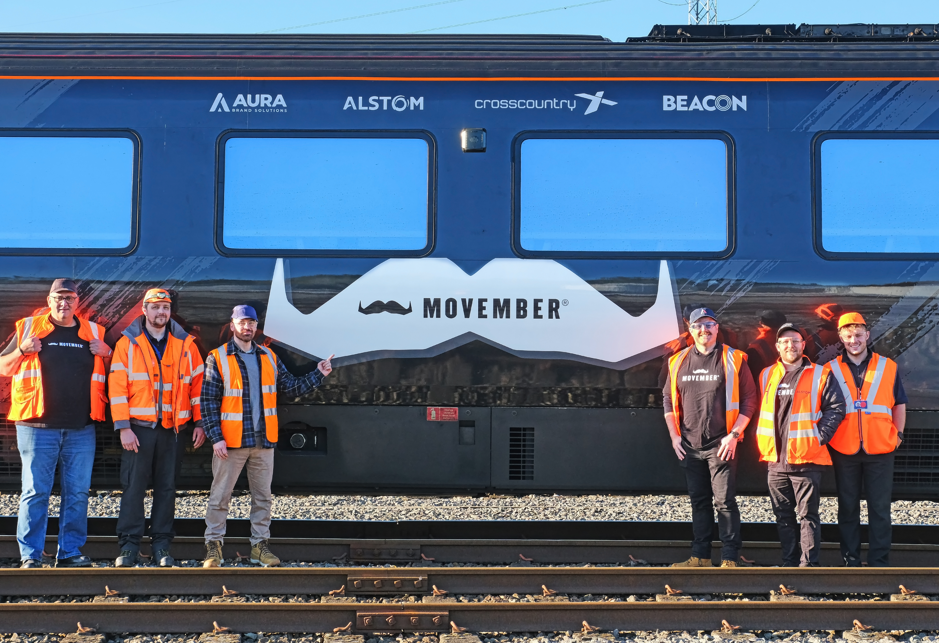
In America, non-profit organisations (NPOs) dedicated to men’s mental health, such as HeadsUpGuysand Movember, are expanding the conversation and building services. South Africa needs to follow suit. We need state-funded mental health programmes targeted at men, especially in high-risk groups. These could include campaigns that represent diverse masculinities as well as community-based NPOs focused on male wellness.
If men heal, communities will heal
While Men’s Health Awareness Month is a start, it is not enough. It’s a start, but healing needs more than a moment; it needs a movement. When we invest in men’s mental health, we are investing in stronger families, safer communities, and a more humane society
So, the next time a man says, “I’m not okay,” don’t look away. Don’t tell him to “man up”. Instead, look him in the eye and say, “I’m here. And you don’t have to go through this alone,” and mean it.
–Sele is a lecturer in the Department of Sociology at the University of the Free State (UFS).




1 Comment