Story audio is generated using AI
For generations, men have been taught that real strength comes from enduring pressure and suffering in silence.
Family obligations, work, and financial survival are always placed ahead of their own health needs.
The risks associated with treating healthcare as a last resort carry a heavy cost.
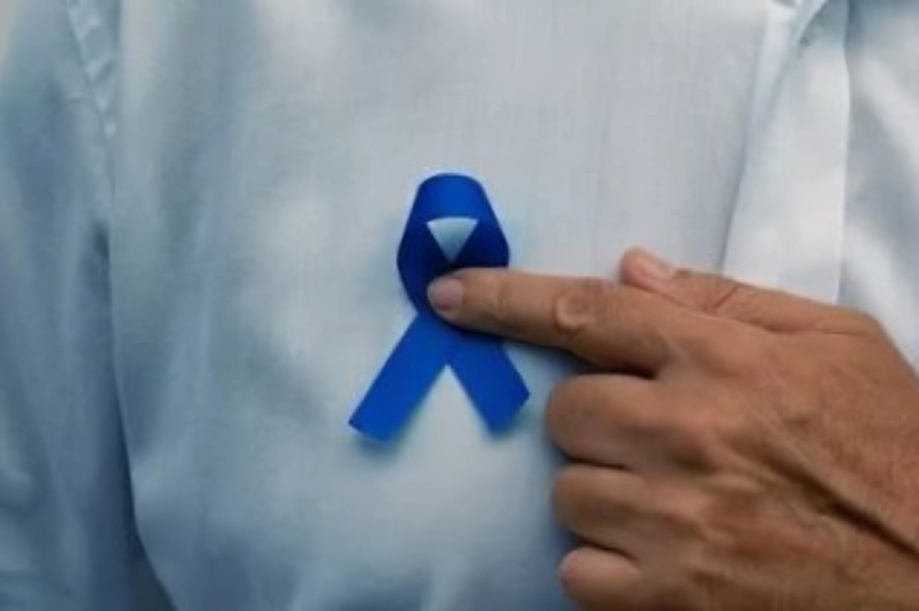
This warning comes as we mark November – a month when awareness is raised about men’s health, with a focus on prostate and testicular cancer, mental health, and suicide prevention.
Keri Rudolph, the founder and CEO
Keri Rudolph, the founder and CEO of The IV Bar Group, draws attention to SA Federation of Mental Health statistics that show that on average 13,774 suicides are recorded in the country every year.
“Of these, 10,861 (78.85%) are men, while only 2,913 (21.15%) are women,” says Rudolph.
“Changing how men look after their health means rethinking self-care. For too long many men have been conditioned to put their health and personal wellbeing on the back burner, often only seeking help when something becomes difficult to ignore. We need to change this mindset and recognise that self-care is not gender-specific, nor is it a sign of weakness.

“Men should feel just as encouraged to make time for their health, pay attention to what their bodies are telling them and seek support when they need it. Looking after yourself should be part of everyday life, not something you turn to only when things go wrong.”
Link between physical and mental health
Rudolph says there’s a link between physical and mental wellbeing.
Men’s health is about more than treating illness
“Men’s health is about more than treating illness when it occurs. It means taking a proactive approach to physical and mental wellbeing, building habits that support long-term health and recognising when additional support is needed.
“Work pressures, financial concerns, family responsibilities and personal challenges can all affect mental health. Yet many men continue to navigate these pressures without speaking about them. Encouraging open conversations, maintaining supportive relationships and seeking professional help when needed are important steps towards addressing mental health before challenges become crises.”
Rudolph adds that daily habits, including exercising regularly, balanced nutrition, getting adequate sleep, keeping hydrated and managing stress effectively all contribute to overall wellbeing.
Knowing your risk factors, attending routine health checks
“Knowing your risk factors, attending routine health checks and discussing unusual symptoms with a healthcare professional can also help identify potential concerns early,” she says.
“For men looking to take this approach further, personalised wellness support may complement these foundations. IV nutrient therapy, for example, can form part of an individualised wellness routine focused on hydration and recovery.
“It is not a treatment for mental health conditions or a substitute for medical care but may be considered alongside broader goals around physical wellness, performance and longevity. Suitability should always be assessed by a qualified healthcare professional.
Ultimately, wellness should be approached with an understanding
“Ultimately, wellness should be approached with an understanding that every individual has different needs. It is about becoming more intentional about how we look after ourselves and recognising that our health deserves attention long before something goes wrong.”
Rudolph says families, workplaces, communities, and healthcare providers “need to help create spaces where men feel safe asking for help without being judged”.
‘Real strength isn’t about staying silent’
“Employers can help build healthier workplaces, families can make it normal to talk about health, and communities can challenge old ideas that stop men from seeking help. Most importantly, men need to know that real strength isn’t about staying silent when things are tough. Sometimes the bravest thing you can do is make that appointment, ask for help, or admit something isn’t right.
November is a yearly reminder, but men’s health
“November is a yearly reminder, but men’s health needs attention all year,” Rudolph says. “Struggling does not mean someone has failed. It is part of being human, and looking after oneself should not be viewed as a luxury reserved for when time allows.”
Prostate cancer symptoms and treatment
Dr Louw-Waldi Vlok, a urologist at Mediclinic Panorama, says despite being the top invasive cancer reported in men in South Africa, prostate cancer is also “one of the most treatable when it’s caught early”.
“Today’s imaging technology means men get answers faster, treatment only when necessary and fewer invasive procedures than they would have a decade ago.”
Vlok says in the early stages of prostate cancer, patients often have no symptoms.

Some men may have symptoms of an enlarging
“Some men may have symptoms of an enlarging prostate, which can include needing to urinate more often, particularly at night, a weak or interrupted urine flow and even an inability to urinate and difficulty starting or stopping urination. As the disease progresses and grows beyond the prostate, the symptoms will increase blood in urine or semen and pain in the pelvis or lower back,” says Vlok.
“[Some] unusual or less obvious signs are the ones men are least likely to connect to the prostate. In more advanced cases, prostate cancer can cause unexplained pain in the lower back, hips or pelvis, new or worsening erectile difficulties, unexplained weight loss or persistent fatigue and swelling in the legs or feet.
“These signs can point to the cancer having spread beyond the prostate, most often to the bones. They can also have entirely unrelated causes, so the sensible response is to get checked rather than to worry. Catching a change early is exactly what makes modern diagnosis so effective.
These symptoms don’t automatically mean cancer
“These symptoms don’t automatically mean cancer. An enlarged prostate or inflammation of the prostate is common with age and usually benign, but any of these changes are worth mentioning to your doctor.”
Dr Hein Els, a radiologist specialising in abdominal imaging at SCP Radiology says once the prostate is imaged, the prostate imaging reporting and data system which runs from one to five will show a score.
“The number tells your doctor how likely it is that what’s showing on the scan is aggressive cancer and whether a biopsy is worth doing at all. Scores one and two usually mean no dangerous cancer is seen. Your doctor may simply monitor you over time.
Score three [means] the scan cannot give
“Score three [means] the scan cannot give a clear answer either way. Doctors will look at other information, such as your prostate-specific antigen blood test, before deciding on a biopsy. Scores four and five mean a high chance of cancer, and a biopsy is usually recommended.
Els says the shift “from a blind search to a targeted, image-led approach is one of the most significant improvements in prostate cancer care in the last 15 years”.