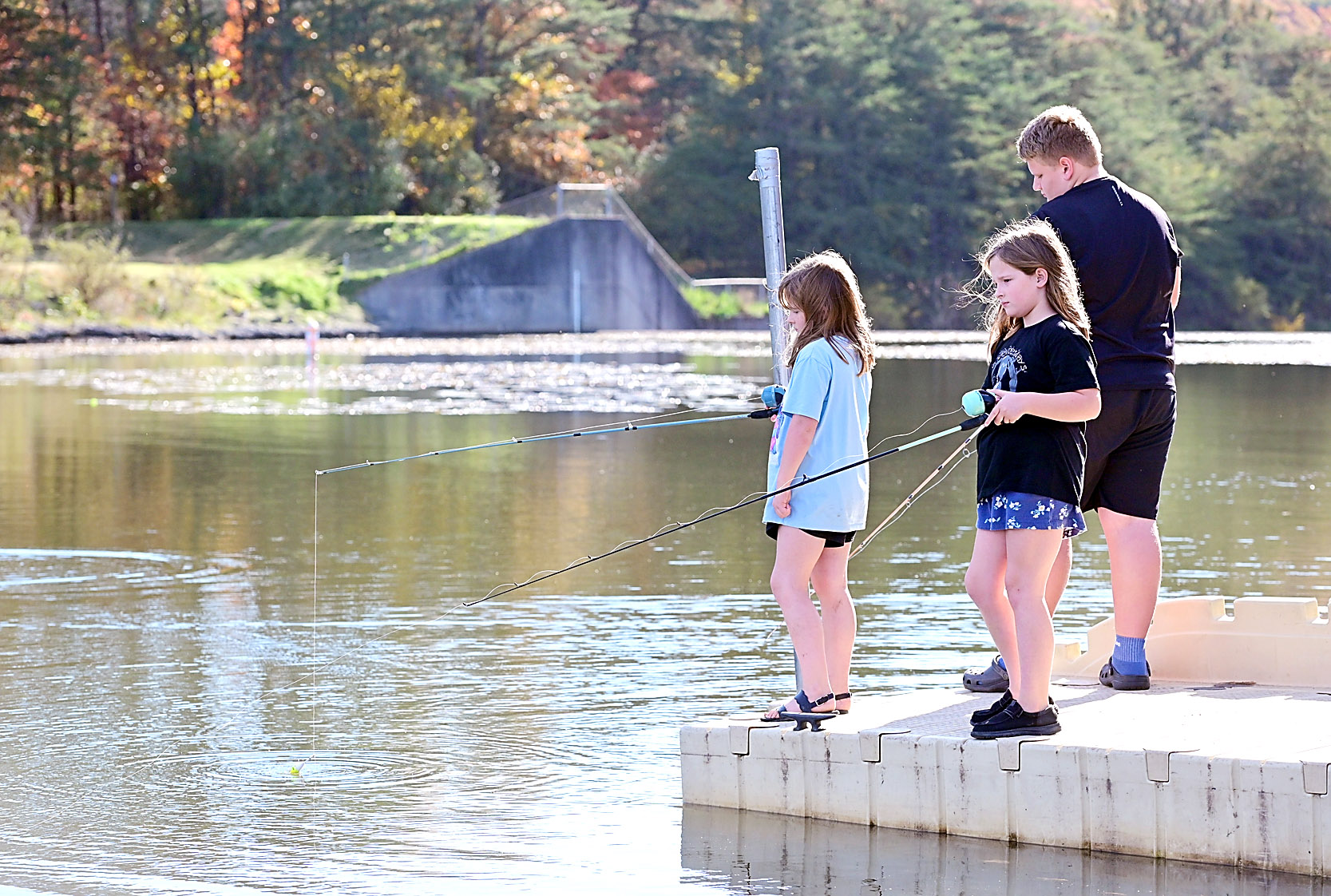
A survey of 3,000 people highlights widespread support for National Parks’ role in wellbeing and nature, with an accessible coastal scheme in Wales among the projects featured.
NINE in ten people believe National Parks can help support mental health and wellbeing, according to new research that also highlights work in Pembrokeshire to make the coast more accessible.
The findings, released by National Parks UK on Tuesday (November 3), come from an online survey of 3,000 people aged 16 and over across England, Scotland and Wales, supplemented by 30 in-depth interviews.
They show that 90% of respondents believe National Parks can support mental health and wellbeing, while 80% agree the parks are taking action on climate change and nature.
The study also found that 75% consider a connection with nature important, 89% value reducing stress and pressure in everyday life, 76% care strongly about pollution, litter and damage to natural places, and 69% are strongly concerned about flooding and extreme weather.

Researchers identified four linked priorities: health and wellbeing, recovering nature, improving access and communities, and becoming more resilient to environmental challenges.
The survey used quotas for demographic characteristics and was weighted to reflect the population of England, Scotland and Wales. Ten qualitative interviews were conducted in each country. The percentages reflect public perceptions, rather than clinical evidence of health benefits or a Wales-only breakdown.
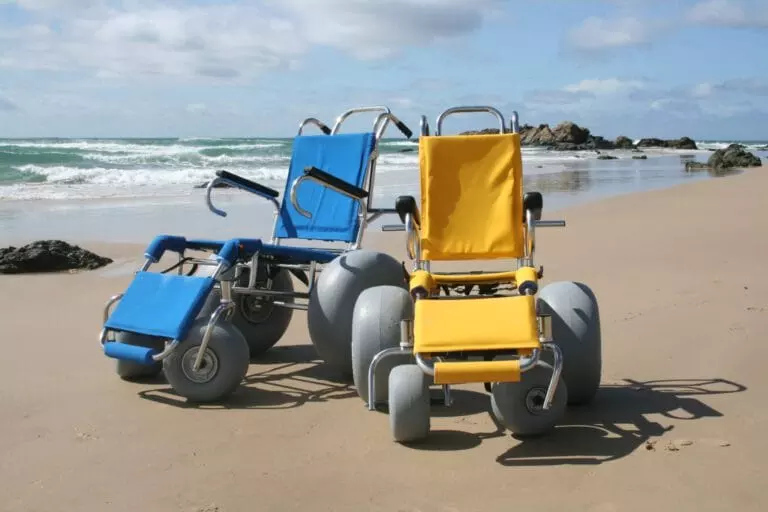
In Wales, Pembrokeshire Coast National Park Authority’s outdoor mobility scheme is being presented as an example of how the parks can translate those priorities into practical action.
The service provides free-to-use beach wheelchairs and other equipment to help people with restricted mobility reach beaches and outdoor locations which might otherwise be difficult to access.
Angela Robinson, the Authority’s Health and Wellbeing Officer, said: “Everyone should have the opportunity to enjoy Pembrokeshire’s coast, and this scheme helps make that possible for people who might otherwise be excluded.”
The Pembrokeshire service has just celebrated its 20th anniversary. At an event at Carew Castle on October 21, the Park Authority said its equipment had been used more than 900 times in 2025, helping people spend time outside with family and friends.
The scheme has developed with the support of local businesses, community organisations and volunteers. It now encompasses specialist all-terrain equipment alongside beach wheelchairs, allowing more people to access the coastline and countryside.
Other projects highlighted by the National Parks UK report include outdoor activities and social connections for people living with dementia in the Cairngorms, volunteer-supported habitat restoration in the North York Moors and community tree nurseries in Loch Lomond and The Trossachs.
Gordon Watson, Chief Executive of Loch Lomond and The Trossachs National Park Authority, said the examples demonstrate the ways in which parks can support both people and nature, as well as respond to wider environmental challenges.
The report is being launched as part of The Answer Is National Parks, an initiative drawing together work across the 15 National Parks in England, Scotland and Wales.

Its authors argue that the parks’ value should be understood not only in terms of the landscapes they protect, but also the opportunities they create for access, community participation and nature restoration.
About the author
Tom Sinclair
Welsh public sector highly unlikely to meet 2030 net zero target, auditors warn