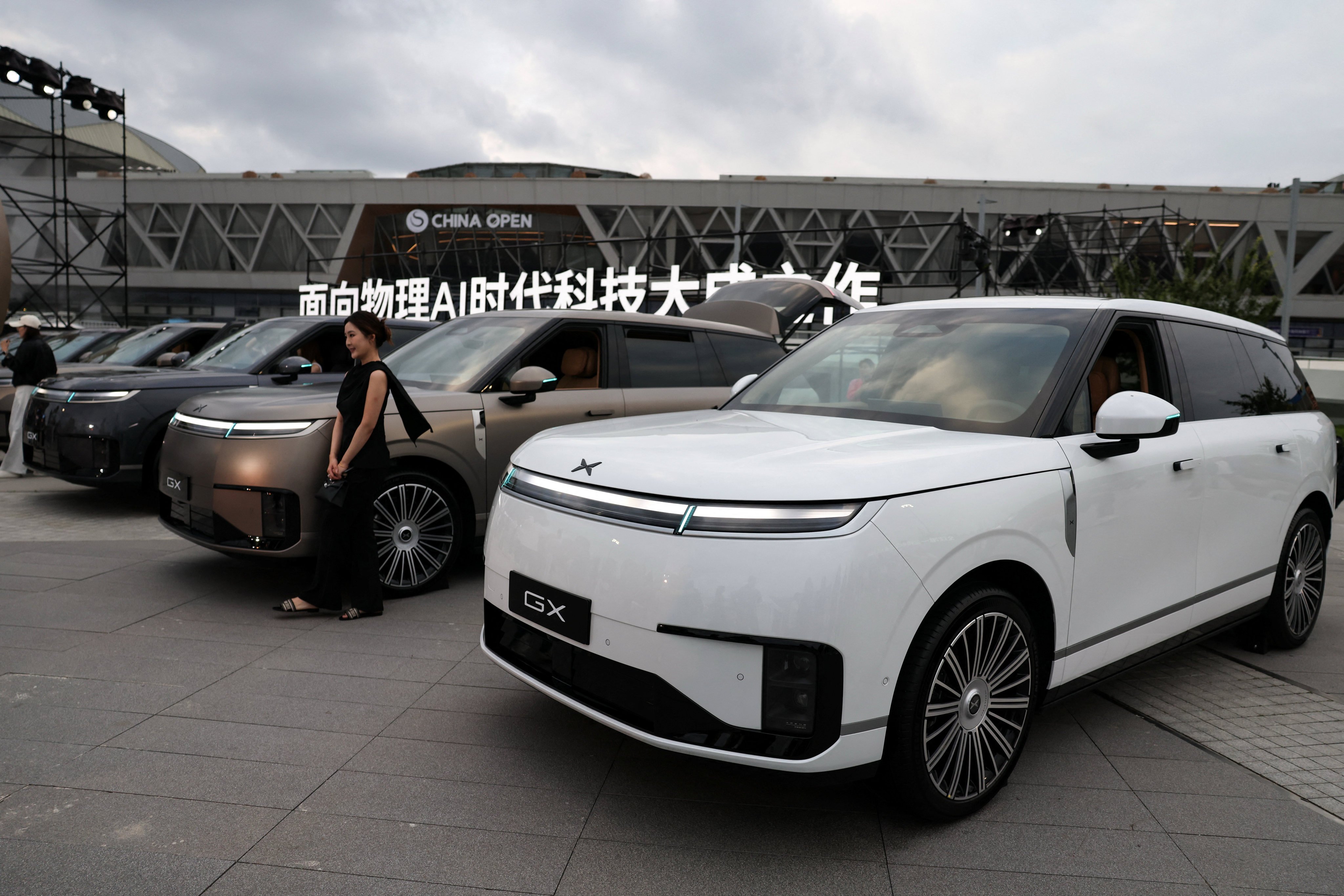
Chinese carmakers’ marketing tactics are under the spotlight after a controversy surrounding a comment by an Xpeng employee drew harsh criticism from middle-aged consumers.
The incident comes as regulators step up quality checks on the reliability of automotive companies, according to industry officials and analysts.
During a live-streamed new model launch ceremony on October 15, an Xpeng product manager used the term lao deng – a slang term referring to middle-aged people who appear to be old-fashioned but arrogant – to satirise the designs of some new cars that could not attract young buyers.
The comment provoked ire among some consumers in their 40s or 50s who viewed it as a derogatory statement. The product manager apologised to the public a week later, saying she meant only to criticise the rigid thinking of some conservative car designers.
“It is a hard lesson for Chinese carmakers that an improper use of words in a press conference, or a product launch event, can put them in big trouble,” said Chen Xiao, CEO of Shanghai Yacheng Culture, a provider of marketing and branding services.
“Some of their marketing strategies have been too aggressive and could eventually cause huge damage to their businesses.”
Chinese carmakers, particularly assemblers of intelligent electric vehicles (EVs), are currently locked in a battle to lure new buyers amid slowing demand.
A total of 15.3 million passenger vehicles were sold in China during the first nine months of 2026, down 21.7 per cent year on year, according to data from the China Passenger Car Association.
Although Chinese carmakers and firms in the automotive supply chain stood at the forefront of EV technology and production, their marketing tactics and overt statements touting their cars’ performance had spawned a series of crises over the past two years, analysts said.
Some carmakers have declared their new models the world’s most technologically advanced or safest at various launch events.
In April 2025, the Ministry of Industry and Information Technology barred Chinese carmakers from using the term “autonomous driving” in their marketing claims as they promoted smart EVs fitted with advanced driver-assistance systems.
The tightened oversight came after a fatal accident involving a Xiaomi SU7 electric car on a highway in central China’s Anhui province a month earlier.
The car, which had its driver-assistance system in operating mode, crashed into a barrier at a speed of 97km/h (60.3mph) two seconds after the system alerted the driver to take control.
The ministry also cautioned the companies not to overstate the role of the assistance systems.
In August this year, vice-minister Xin Guobin said at a press briefing in Beijing that new automotive products and technologies would be barred from entering the market unless they passed stricter approval procedures.
Beijing is also carrying out a nationwide inspection campaign assessing the quality of Chinese-made cars.