Gyms are buzzing with a new energy, and it’s not coming from the squat rack.
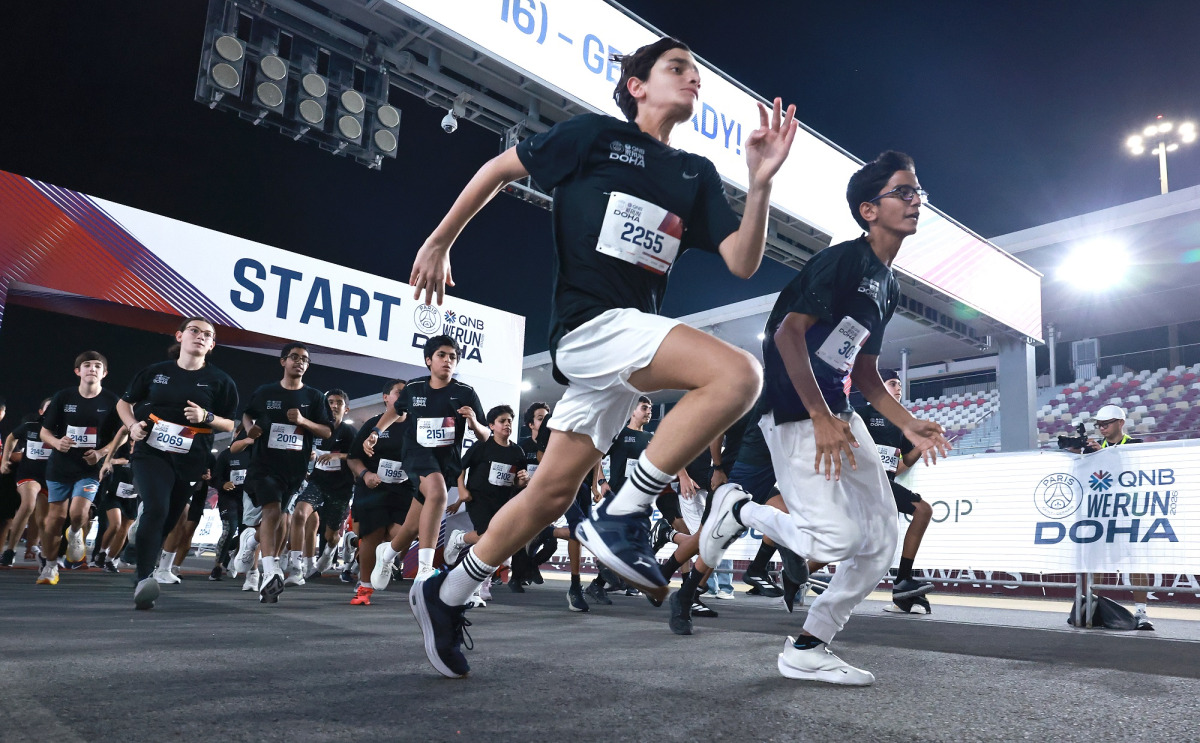
Run clubs are filling up, Hyrox competitions are selling out, and more people are trading their bicep curls for burpees and mile splits.
Something fundamental is shifting in how we think about fitness, and it’s not just another fad.
It’s a wholesale rethinking of what it means to be truly fit.
The Bodybuilding Shadow Over Fitness
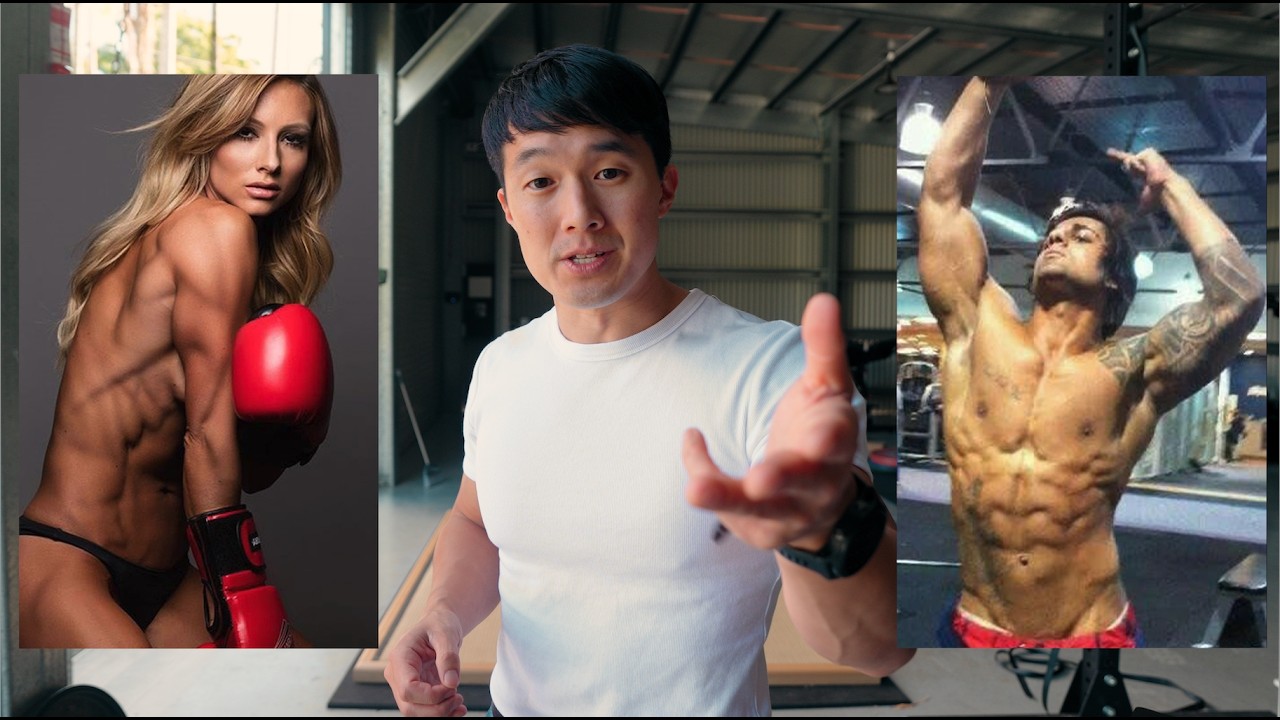
For more than a decade, bodybuilding principles have dominated mainstream fitness advice, often without people even realizing it.
The most popular fitness influencers built their empires on aesthetics: bigger arms, sculpted abs, chest development. Performance was secondary, if it mattered at all.
Walk into most gyms today and the programming still reflects this legacy. Split routines targeting individual muscle groups. Rep ranges optimized for hypertrophy. Rest periods calculated to maximize muscle growth.
If an exercise didn’t build visible muscle, it was dismissed as a waste of time.
This narrow lens shaped an entire generation’s relationship with training. Cardio was something you did begrudgingly to “stay lean.” Mobility work was an afterthought. Speed, agility, endurance? Those were for athletes, not regular gym-goers.
When the Mirror Stops Being Enough
Now, many of those same people are hitting a wall.
Oh, I’m so burned out. I’m so stiff. I’m so sore. I feel like I need something new and fresh.
These aren’t complaints from couch potatoes. They’re coming from dedicated lifters who’ve followed the program for years.
The issue isn’t that bodybuilding training is inherently bad or dysfunctional. It’s effective for what it’s designed to do: build muscle mass and strength.
But muscle and strength alone don’t paint a complete picture of fitness.
People are starting to notice what’s missing. They can bench press impressive weight but get winded climbing three flights of stairs. They’ve built strong legs but lack ankle mobility for a proper squat. They look athletic but can’t keep up during a weekend hike.
The Hybrid Athlete Movement
Enter the hybrid athlete: someone who refuses to choose between strength and endurance, power and mobility, aesthetics and performance.
This isn’t about abandoning the weight room. It’s about expanding what happens there.
- Run clubs are exploding in popularity, creating community around cardiovascular fitness
- Hyrox competitions blend functional movements with endurance challenges
- Marathon training is no longer just for “runners”—lifters are lacing up
- Plyometric work is being valued for power development, not just calorie burn
These modalities address fitness qualities that traditional bodybuilding programs often neglect: cardiovascular capacity, movement efficiency, speed, coordination, and mental resilience.
Training for Life, Not Just Looks
We want to look jacked and be strong because that’s a lot of fun, but we also value moving well outside of the gym. We want to have a life outside of the gym. We want our workouts to improve every single facet of our life beyond just what we see in the mirror.
This sentiment captures why so many are rethinking their approach.
Fitness is becoming less about achieving a specific look and more about building a body that performs well across diverse challenges.
The goal isn’t just bigger muscles—it’s capability.
Can you sprint to catch a bus? Recover quickly between intense efforts? Move through a full range of motion without pain? Maintain energy throughout a long day?
These real-world capacities matter more to daily quality of life than whether your chest has perfect symmetry.
The Great Millennial Fitness Revolution
Millennials, who came of age during bodybuilding’s influencer boom, are now entering their 30s and 40s.
With age comes perspective. The body that looked great in photos might not feel great during everyday activities. Joint health starts mattering more. Recovery becomes slower. Sustainable training takes priority over ego lifting.
This demographic shift is fueling demand for training that addresses multiple fitness domains simultaneously. They want programs that build strength while preserving mobility, develop muscle while improving cardiovascular health.
It’s not about rejecting what came before—it’s about integrating those lessons into something more comprehensive.
Is Hybrid Training Just Another Trend?
And if you’re someone who’s gotten into Hyrox or marathons or running or plyometrics because it was the latest trend, hey, power to you. Cuz at some point in time, bodybuilding training was a trend as well. And if it gets your foot in the door to get you training hard consistently, I am all for it.
Fair question. Every few years brings new fitness crazes that promise to revolutionize training.
But this shift feels different because it’s addressing genuine gaps in how most people have been training. It’s not replacing one narrow approach with another—it’s broadening the definition of fitness itself.
Trends come and go, but principles endure.
The principle here is simple: complete fitness requires developing multiple physical capacities. Strength, endurance, power, speed, mobility, coordination—these aren’t competing goals. They’re complementary aspects of human performance.
What a More Complete Fitness Looks Like
Building a well-rounded fitness foundation means training across different energy systems and movement patterns.
Strength and Power
Resistance training remains foundational. Compound movements build muscle, increase bone density, and improve metabolic health. But the focus shifts from isolation to integration—exercises that develop strength through full ranges of motion.
Cardiovascular Capacity
Heart health matters as much as bicep size. Incorporating running, rowing, cycling, or swimming develops aerobic capacity that supports recovery, daily energy, and longevity.
Mobility and Movement Quality
Strength without mobility is limited strength. Dedicated work on flexibility, joint range of motion, and movement patterns prevents injury and improves performance across all activities.
Speed and Power Development
Plyometrics, sprints, and explosive movements train fast-twitch muscle fibers and neurological coordination. These qualities deteriorate quickly with age if not maintained.
Making the Transition
Shifting from pure bodybuilding to hybrid training doesn’t require abandoning everything learned at the gym.
Start by adding one or two sessions per week focused on qualities you’ve neglected. If cardiovascular work has been minimal, begin with two 20-minute runs. If mobility is lacking, dedicate time to stretching and movement flows.
The key is progression, not perfection.
You don’t need to become an elite marathoner or Hyrox competitor. The goal is developing basic competency across multiple domains so your body remains capable and resilient.
Beyond the Mirror
This evolution in fitness culture reflects maturity in how we understand health and performance.
Looking good will always have appeal—there’s nothing wrong with aesthetic goals. But when appearance becomes the only metric of success, we miss opportunities to build bodies that not only look capable but actually are capable.
The hybrid athlete approach values function alongside form, performance alongside appearance, and sustainability alongside intensity.
Whether this movement continues expanding or evolves into something new, it represents valuable progress: recognition that fitness is multidimensional, and training should reflect that complexity.
Your body is meant to do more than just look good in photos. It’s meant to move, perform, adapt, and support you through decades of active living.
Training like a hybrid athlete simply acknowledges that truth.