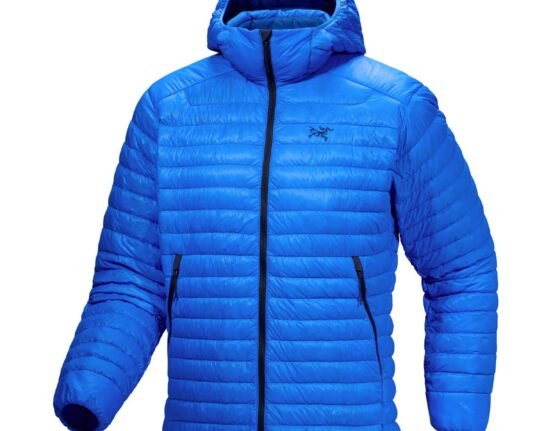
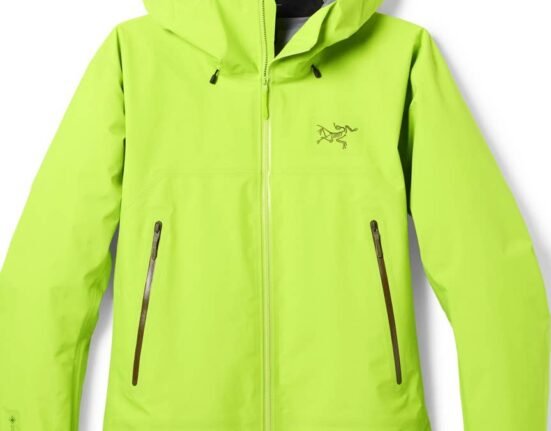
A lightweight, packable synthetic insulated jacket with superb abrasion resistance and durability
October 27th, 2026
Home > Gear Reviews > Outdoor Apparel
Our verdict
I purchased my first Patagonia Nano Puff jacket in 2015 because I was drawn to Patagonia’s mission of crafting high-quality apparel with a low environmental impact. After scanning Reddit pages for days, I also realized that the Nano Puff was one of the most popular jackets among thru-hikers due to its insulation, synthetic design, and price. It was noticeably more affordable than most down alternatives.
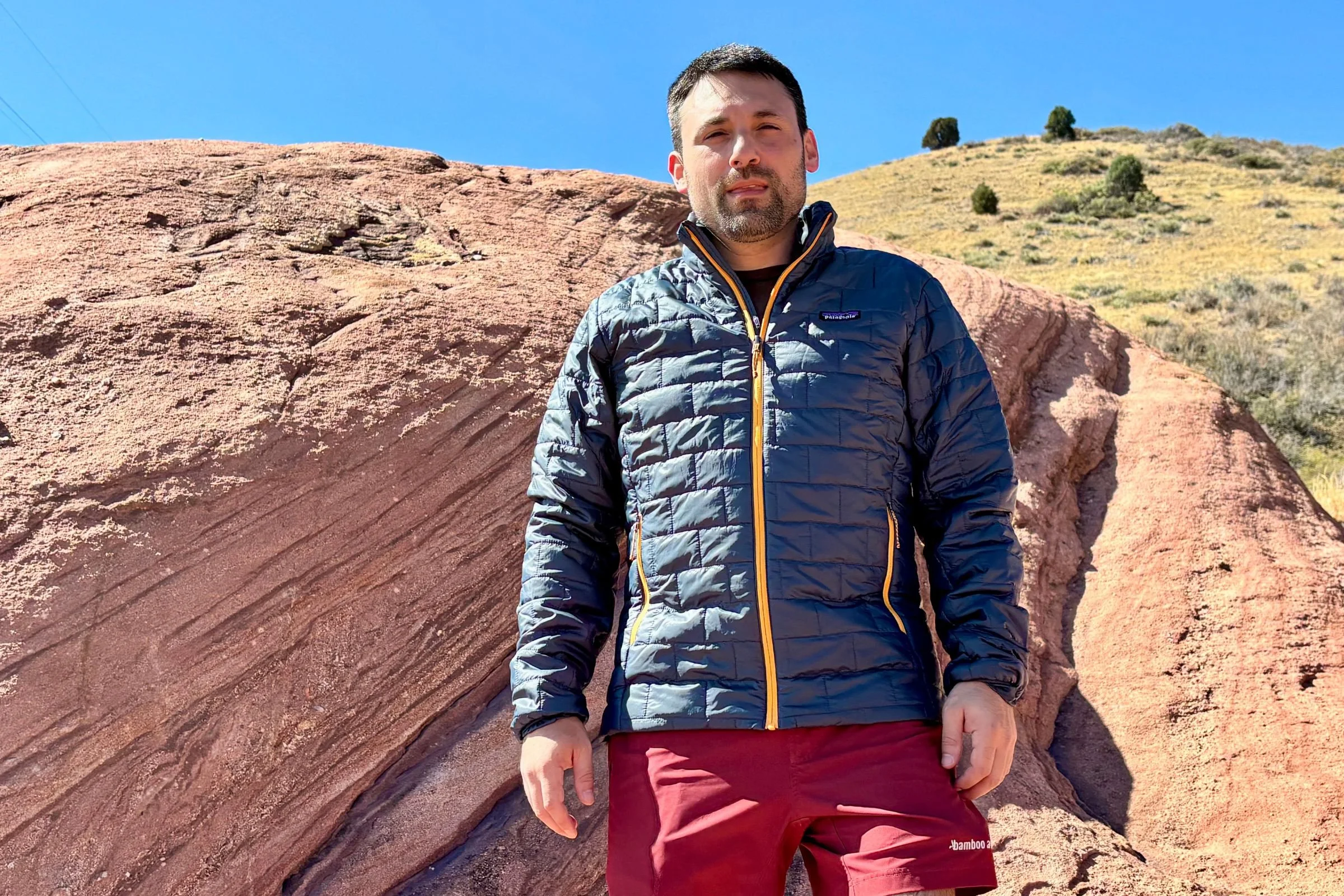
Since my initial purchase, the Nano Puff successfully accompanied me along the entire 2,200-mile Appalachian Trail, and on a 6-month climbing expedition that took me through the Carolinas, Texas, New Mexico, Colorado, Montana, Nevada, and California. Testing conditions included sub-freezing temperatures and snow on the Appalachian Trail, moderately cool weather, and sunny 70-degree days. On many occasions, I layered this jacket with a synthetic or wool base layer and a hard shell like the Arc’teryx Beta SL rain jacket.
After 11 years and 3,000+ miles of use, the shell of my original Nano Puff picked up a few holes from burns and rock scrambles, but the ripstop shell kept them from spreading, which helps keep the loft in place. I also tested the updated Nano Puff, which retains the same durability as the original with updates to the elbow and shoulder, over the course of a month and about 20 miles of hiking.
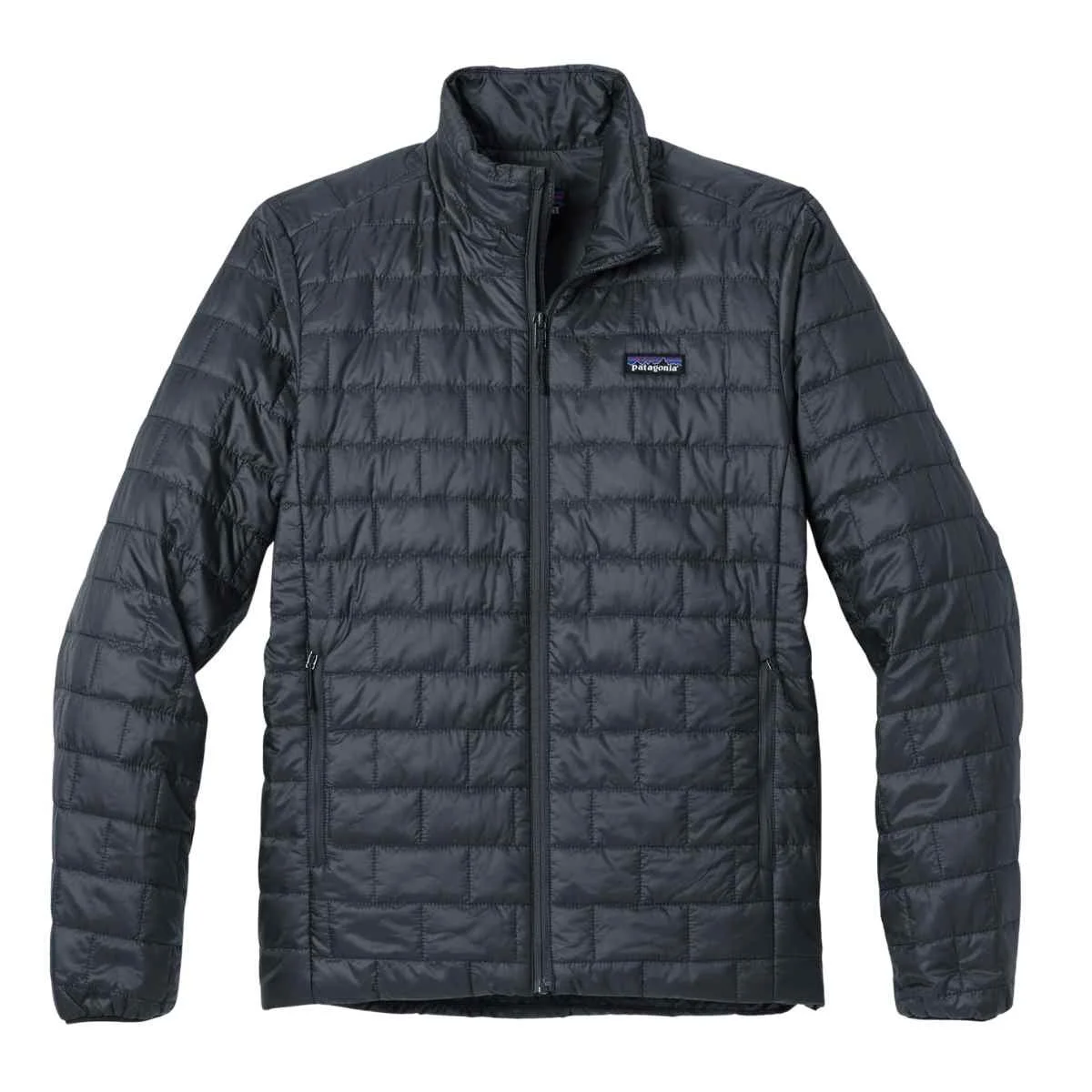
Patagonia Nano Puff insulated jacket
Men’s
Women’s
As a single layer, this jacket wasn’t warm enough to keep me comfortable in the most extreme freezing temperatures on the Appalachian Trail, but when paired with additional layers, it has proven to be sufficient even amidst flurries.
This jacket is still one of the first insulating layers I grab when I’m expecting rugged conditions. It’s been one of my favorite jackets of the past decade due to its construction, durability, and consistent warmth. And it’s an ideal pick for rugged adventures where you want assurance that your gear will hold up to the demands of the trip.
We create reader-supported, objective gear reviews independently selected by our editors. This story may contain affiliate links, which help fund our website. When you click on the links to purchase gear, we may get a commission — without costing you an extra cent. Thank you for supporting our work and mission of outdoor coverage for every body!Learn more.
Patagonia Nano Puff insulated jacket specifications
-
Product type: Lightweight synthetic insulated jacket / mid layer
-
Insulation: 60-g PrimaLoft Gold Insulation Eco, 100% postconsumer recycled polyester with P.U.R.E. technology
-
Shell: 1.3-oz 100% recycled polyester ripstop
-
Weather protection: DWR finish made without intentionally added PFAS; designed to shed light moisture, not a waterproof membrane
-
Lining: 100% recycled polyester ripstop
-
Hood: No (Nano Puff Hoody sold separately)
-
Pockets: 2 zippered handwarmer pockets; 1 internal zippered chest pocket
-
Packable: Yes; internal chest pocket doubles as a stuff sack with reinforced carabiner clip-in loop
-
Hem: Drawcord-adjustable drop-tail
-
Women’s weight: 10.9 oz / 309 g
Comparison table
| INSULATED JACKET | MSRP* | ETHICALLY SOURCED INSULATION | TOTAL WEIGHT (oz)* | INSULATION | HYDROPHOBIC INSULATION | BREATHABILITY | BEST USE |
|---|---|---|---|---|---|---|---|
| Patagonia Nano Puff Jacket Men’s Women’s |
$239 | 100% recycled | 13.0 (men’s), 10.9 (women’s) | PrimaLoft Gold Eco | Yes | Moderate | Versatile conditions and long-lasting needs |
| Patagonia Nano Puff Hoody Men’s Women’s |
$299 | 100% recycled | 14.1 (men’s), 12.3 (women’s) | PrimaLoft Gold Eco | Yes | Moderate | Versatile conditions and long-lasting needs |
| Arc’teryx Atom Jacket Men’s Women’s |
$280 | Recycled content | 11.8 (men’s), 9.4 (women’s) | Coreloft Compact 60 synthetic | Yes | High | Active insulation for high-output activities |
| Outdoor Vitals Vario Jacket Men’s Women’s |
$200-210 | 50% recycled | 9.0 (men’s), 9.0 (women’s) | 3DeFX stretch synthetic | Yes | High | Active insulation for high-output activities |
*Prices at the time of publishing; weights are manufacturer figures.
Best for
-
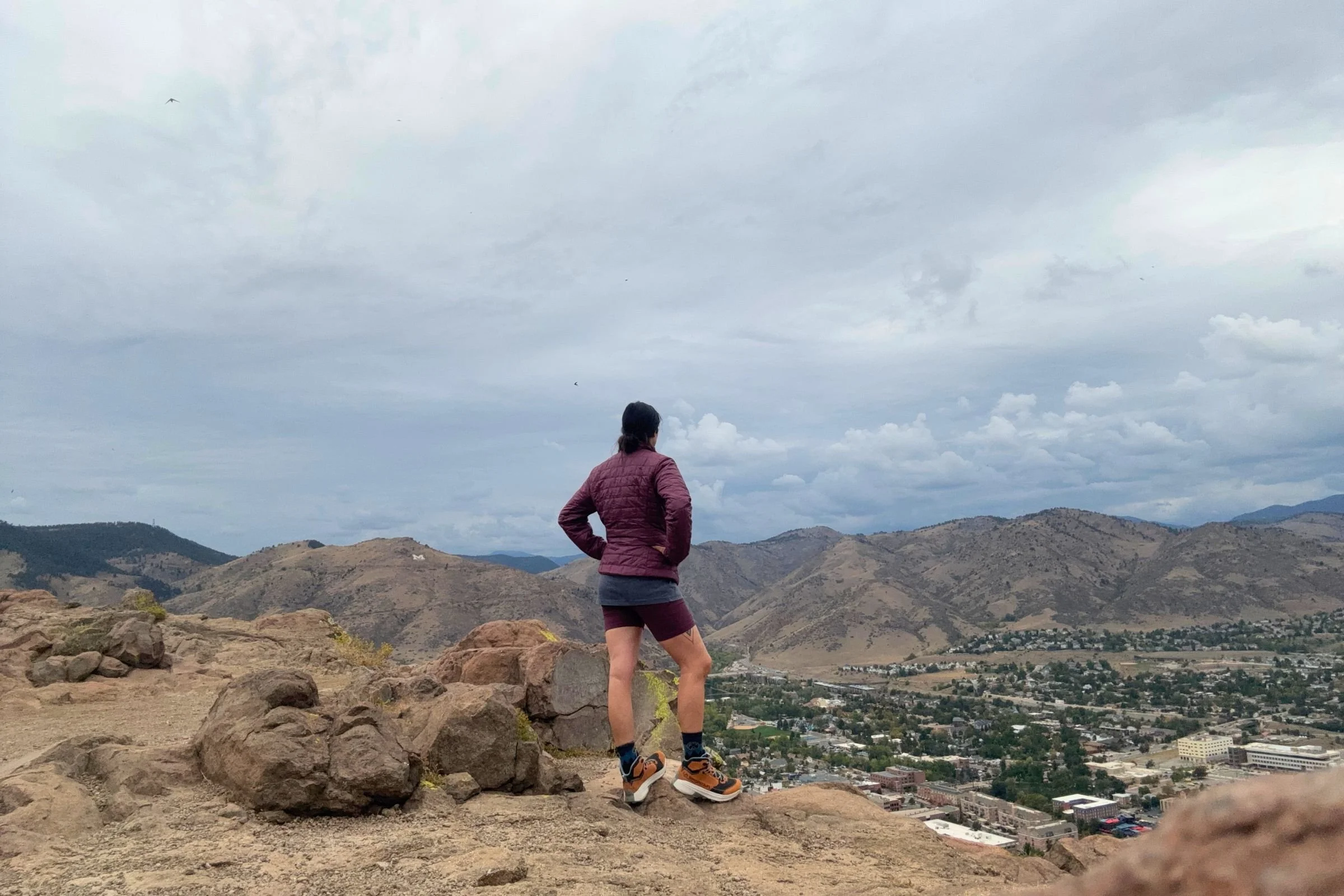
Hikers, backpackers, climbers, and travelers who want a solid lightweight jacket with maximum versatility
-
Camping in 40 to 70-degree temperatures
-
An insulation layer under a rain shell in wet, frigid conditions, or under ski jackets in sub-freezing weather
-
Adventurers who prioritize long-lasting gear
What we liked
-
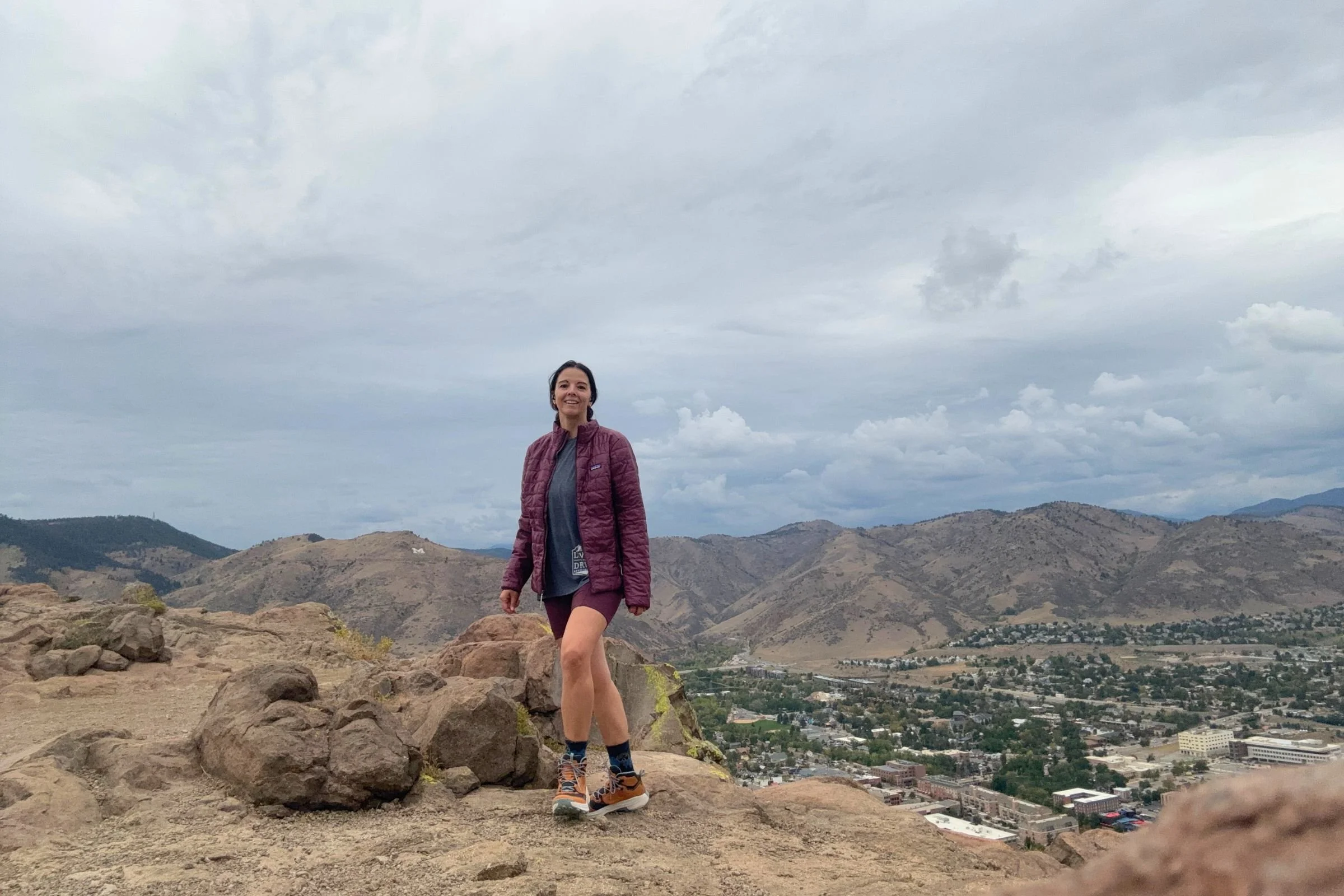
Extremely water-resistant: it was really challenging to saturate this jacket
-
It maintained warmth even while slightly saturated
-
Its durability, even after years of multi-pitch climbing
-
Lightweight for a synthetic jacket
-
Versatility: Can be worn while hiking, backpacking, climbing, skiing, and in town
What could be better
-
It’s not particularly breathable
-
It’s not the warmest insulated jacket as a standalone layer
How we tested

I used the Nano Puff jacket as my main jacket for more than a decade from thru-hiking the Appalachian Trail to climbing multi-pitch routes to putzing around town. To confirm that the newest version is just as good as my tried and true model, I wore the newest Nano Puff for weeks while focusing on the newest updates. Temperatures ranged from sub-freezing and wet to 60 degrees and windy.
Original Nano Puff testing involved many days of precipitation while the latest testing happened in slightly overcast weather. While thru-hiking the Appalachian Trail, I paired this jacket with a Columbia synthetic base layer and an Arc’teryx rain shell for added warmth. More recently, I wore a simple wool t-shirt beneath this jacket in Colorado’s high country.
To simulate lab-like testing to compare the older model and the newest model, I dunked both jackets in the kitchen sink to evaluate the DWR coating and monitor drying time in Colorado in September.
Testing predominantly focused on high-output activities, like backpacking, hiking and rock climbing. After hundreds of miles of use, the 2015 Nano Puff shows little wear in high-use areas from my 35-pound pack. And the newest Nano Puff has yet to show any signs of wear.
I also tested this jacket alongside others in our Best Synthetic Insulated Jackets guide to directly compare warmth, weather resistance, comfort, fit, packability, breathability, durability, and more.
Performance in the field

Warmth
During the coldest moments of my thru-hike of the Appalachian Trail, I paired this jacket with a base layer and my Arc’teryx Beta SL rain jacket to optimize the warmth. But it also functioned well as a standalone layer in moderately cold conditions.
The updated version of this jacket is noticeably warmer than my 2015 Nano Puff, but I’m not sure if that’s because of a shift in insulation (my original Nano Puff used PrimaLoft insulation while subsequent versions switched to a more eco-friendly 60g PrimaLoft Gold insulation), a reduction in loft over time, or some combination of the two. During a recent 5-mile hike in 50-degree temps, the Nano Puff trapped a little too much heat, and I found myself shedding layers while on the move.
Warmth-to-weight
Synthetic jackets are typically heavier than down jackets, but the Patagonia Nano Puff challenges this reputation. The newest version of the women’s jacket weighs 10.9 ounces, while the men’s weighs 13 ounces, and most competitive synthetic jackets weigh somewhere between 10 and 16 ounces. Down jackets generally weigh 8 to 15 ounces, making the Nano Puff a solid competitor in both categories. Since testing this puffy in 2015, the Nano Puff has increased by about an ounce due to changes in material.
While testing this jacket in snow, I found that it offered plenty of warmth in active conditions. And, when paired with additional layers, it was sufficient while at rest, too. That said, down jackets tend to offer a better warmth-to-weight ratio.
Breathability and temperature regulation
The Nano Puff isn’t particularly breathable, but due to its synthetic construction, I didn’t have to worry about the jacket losing warmth once saturated. During sustained high-output activity, like lengthy mountain ascents, I still usually take this layer off to prevent myself from sweating through the fabrics. But while moving at a moderate pace, this jacket easily felt warm without overdoing it, which made it a competitive option for on-the-go warmth.
Wind resistance
Compared to other down and synthetic jackets I’ve tested, the Nano Puff offers a noticeable amount of protection against moderate winds. I faced 50 mph gusts while hiking through the White Mountains in New Hampshire, which notoriously has some of the worst wind in North America. Eventually I added a shell to reduce windchill, but even by itself, the Nano Puff offered a surprising amount of protection from the wind.
Water resistance
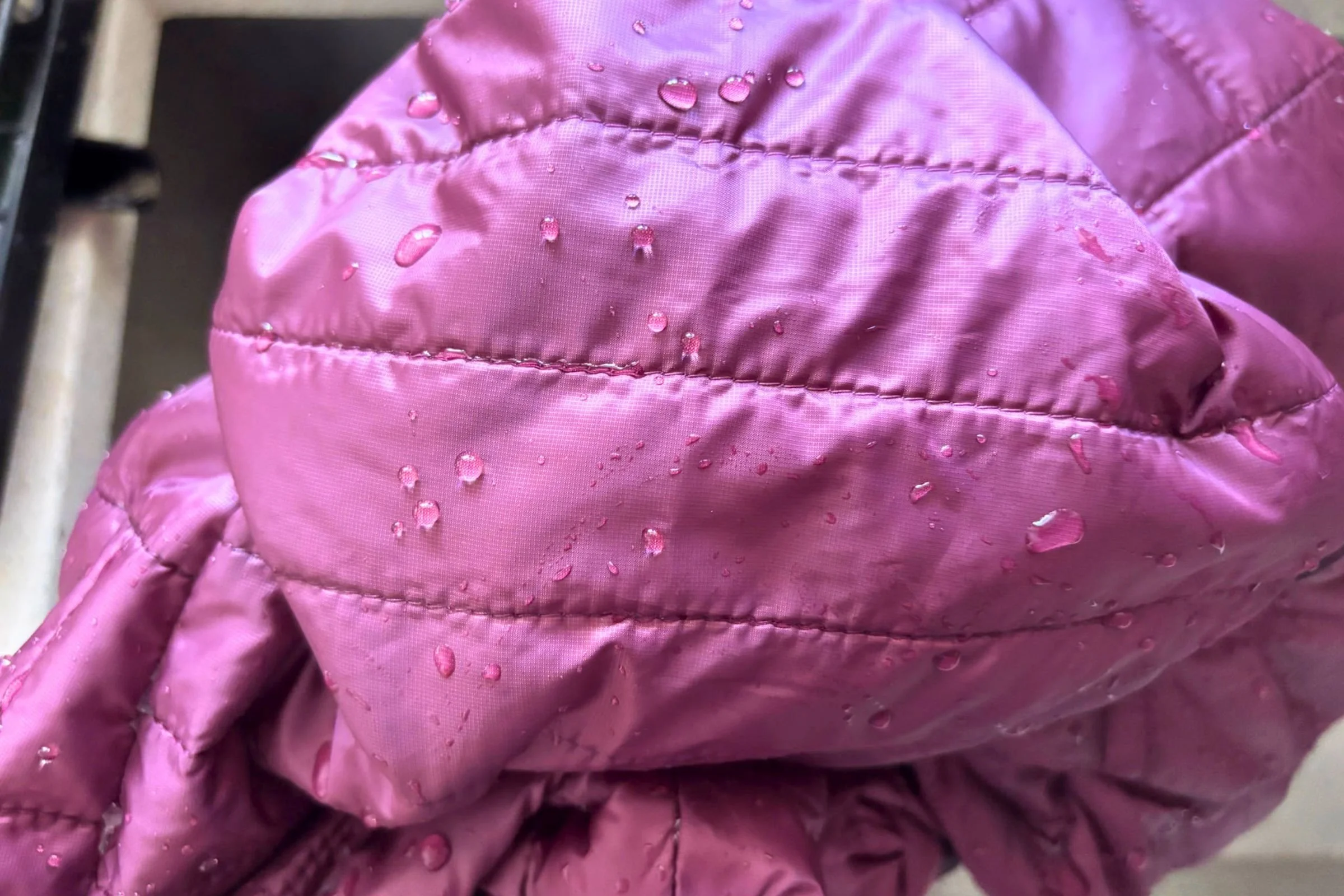
This jacket also comes with a DWR treatment that helps the fabrics to shed light moisture, which significantly helped me while climbing in snowy conditions. It isn’t entirely waterproof, however, so I’d still add a shell in sustained rain storms and sleet.
In addition to extensive testing in the rain while thru-hiking the Appalachian Trail, I performed lab-like tests on water resistance.
On one occasion, I ran the kitchen faucet over both my old and the new Nano Puff to evaluate the dry-time of both jackets. While it’s not intended to operate as a shell, I was pleasantly surprised by the amount of time that it took the faucet water to permeate the shell. At first, it neatly beaded up on the exterior. Then, it started to permeate the jacket in patches. But it took a full 3-4 minutes of gushing water to get soaking wet. Once completely saturated, it took about an hour to dry in the Colorado sun, which also surpassed my expectations.
These lab-like tests echoed what I found while thru-hiking in days of rain while wearing this jacket. It’s reliable, hard to saturate, and made for warmth even when wet.
Performance when damp
One of the reasons I purchased this jacket prior to my Appalachian Trail thru-hike was because of its synthetic insulation. While down loses its warmth and loft when wet, synthetic insulation does a much better job of retaining warmth when damp, which is ideal during high-output activities and in inclement weather. I found that the warmth of this jacket didn’t falter when slightly wet from snow and precipitation. Equally as important was its ability to dry quickly in outdoor environments.
Updated fit and layering
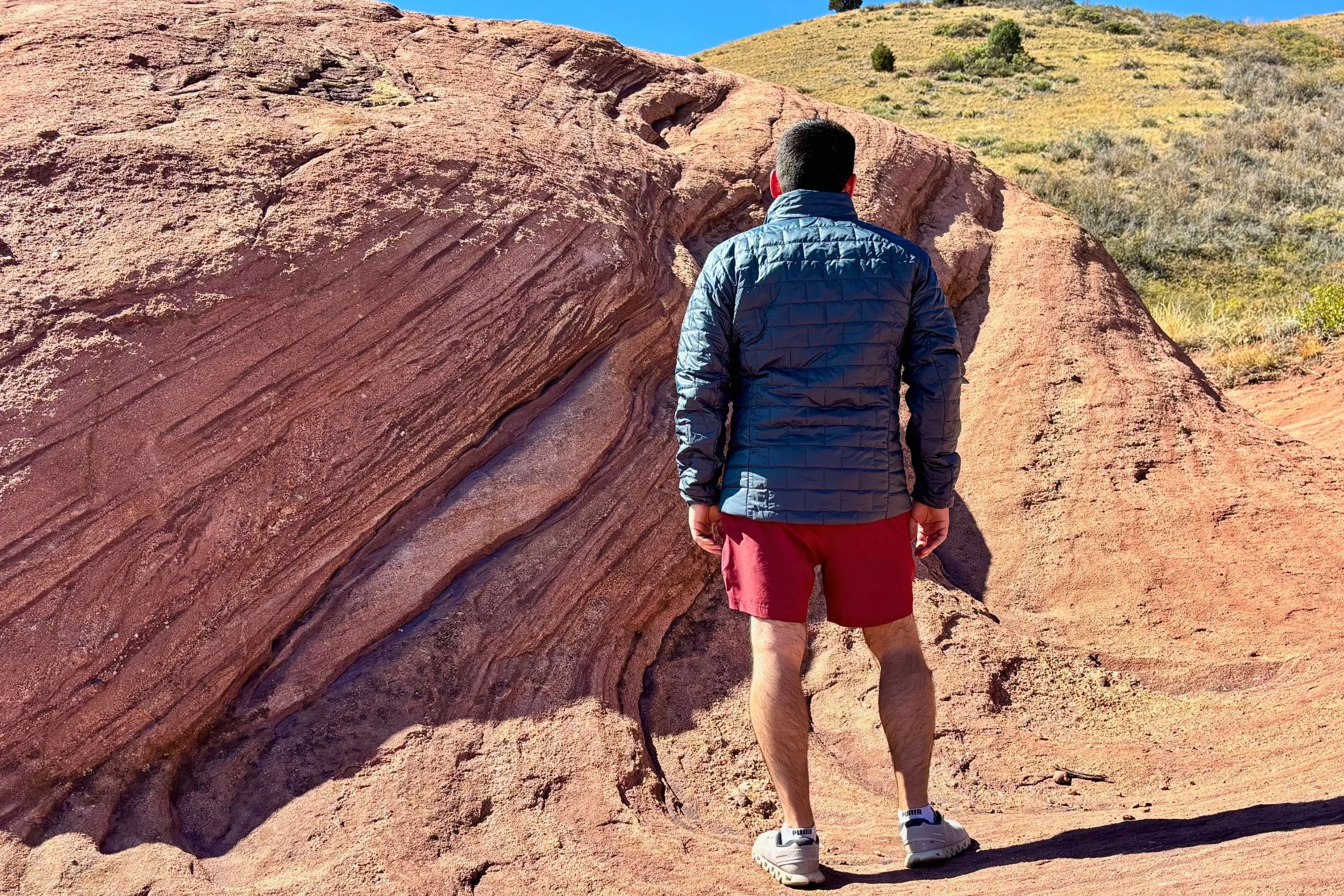
I purchased my first Patagonia Nano Puff in 2015 in a women’s size medium. At the time, the jacket fit my 5’ 7”, 125 lb self perfectly while still providing extra internal space for layering. As a climber, I often find that jackets run tight around my shoulders. But the Nano Puff easily slid on and off. The hem ends just above my glutes, offering plenty of protection from hip belts. And the sleeves ended just beneath my thumb joint, running a touch long.
The new version comes with a similar fit, resting just below my hip. The arms are generous in length, falling just below my thumbs. But the shoulder affords slightly more agility, making movements feel more natural when using trekking poles while wearing this jacket. While the elbow articulation is one update for the new model, I didn’t notice a significant difference between my two jackets.
Packability
Compared to down jackets, synthetic jackets will likely never offer the same packability. But the Nano Puff puts up a solid fight. When stored in its own chest pocket, the Nano Puff packs down to a 6”-by-7.5”-by-3.5” shape. And adventurers can use the included carabiner loop to strap it to their pack or their harness while climbing (which is when I found it to be most useful).
Comfort and everyday use
One of the Nano Puff’s most compelling qualities is its ability to adapt to a wide range of environments. This jacket handles chilly evenings on the town just as easily as it handles sub-freezing temperatures along the Appalachian Trail. The external fabric is soft to the touch, yet it doesn’t seem to absorb moisture and stench as easily as some jacket shells. The drawcord-adjustable hem makes it easy to prevent drafts.
Durability
The single most impressive feature of the Nano Puff is its durability. After 2,200 miles of backpacking on the Appalachian Trail, I continued using this jacket on hikes, while sport climbing, and multi-pitch trad climbing. I never once worried about the 20D shell’s ability to handle the sharp edges of limestone rock. While the shell eventually tore (most significantly around the hand cuff), even when torn, the insulation largely stayed intact. Although the insulation has been noticeably compressed over the past 11 years, it still manages to retain significant warmth all these years later.
Features
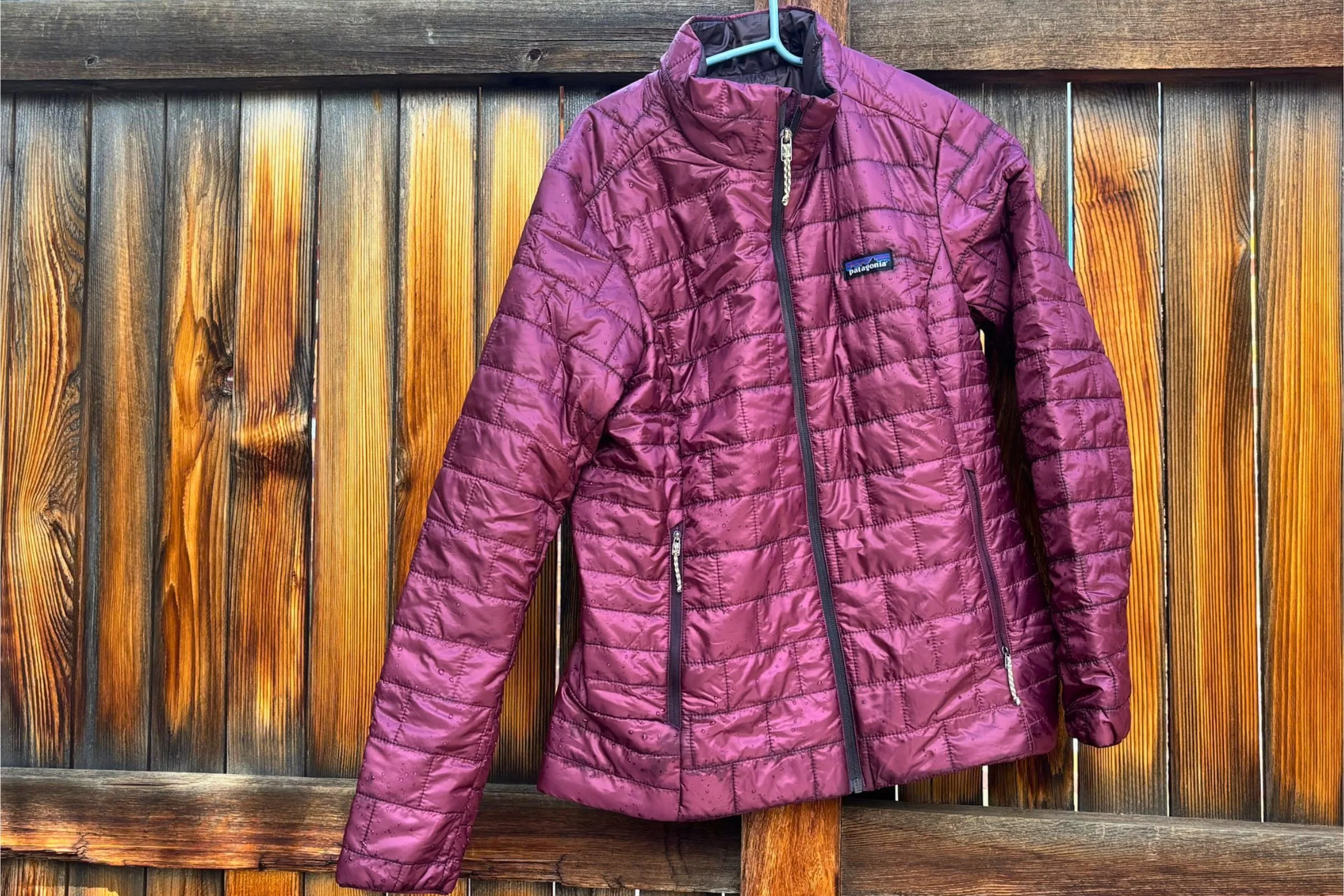
60g PrimaLoft Gold Insulation Eco
The Patagonia Nano Puff’s 60g PrimaLoft Gold Insulation Eco is a synthetic insulation that’s made from 100% postconsumer recycled polyester. When Patagonia first began manufacturing clothing, the brand recognized the need to reduce the effects of climate change in the world of manufacturing. And using postconsumer recycled materials is one way through which the brand is doing that. This insulation is one of the best synthetic insulations for its weight, creating a substantial amount of warmth that maintains itself even while wet.
20D recycled polyester ripstop shell
When Patagonia first started manufacturing synthetic clothing, the brand used a fabric that was intended for toilet seat covers in the hopes that it would wick moisture better than the heavy cotton alternatives that climbers were using at the time. Today, Patagonia continues to innovate in the realm of clothing to keep active people equipped for their sports for longer, and with less of a climate impact.
The shell material is made with a 20D 100% recycled polyester ripstop to accomplish goals like preventing tears from spreading (hence the jacket’s superb durability), creating a quick-drying shell, and maintaining a lightweight structure.
PFAS-free DWR treatment
Unlike my first Patagonia Nano Puff Jacket, the newer version of this jacket uses a PFAS-free DWR treatment. In 2019, Patagonia launched its first DWR products that were made without PFAS. And as of spring 2025, Patagonia is committing to keeping all new styles free of intentionally added PFAS, which is a win for both the adventurers who wear the jacket and the environment.
Brick quilting with horizontal side-panel quilting
One of the Nano Puff’s recognizable features is its brick quilting pattern, which works to keep the insulation distributed in strategic locations instead of shifting along baffles and ending up in clumps. When paired with horizontal side-panels, the design is intended to allow heat to escape from the sides while retaining it on the front and the back of the jacket.
Revised shoulder fit
The current Nano Puff comes with updated shoulder designs that are intended to improve mobility and comfort. I found this particularly noticeable when reaching overhead since it seemed to accommodate a greater range of motion for my oversized shoulders.
Articulated elbows
Another new feature is the articulated elbow, which is geared to support the natural movement of the arm. I found this feature to be relatively subtle, but I appreciated the concept of making the jacket less restrictive, since many puffies overlook the importance of arm movement.
Wicking interior storm flap
The Nano Puff contains a wicking interior storm flap that’s located behind the center-front zipper to reduce the amount of cold that can permeate the zipper area. It’s made to wick moisture, which should help you to minimize internal moisture from sweat or external moisture from the elements.
Chin zipper garage
Located at the top of the zipper, the Nano Puff has a zipper garage that covers the zipper when the jacket is fully zipped. Although it seems like a small feature, it prevents the zipper from resting against your chin while adding extra weather protection. I found that it also made my long hair less prone to getting caught in the top of the zipper.
Two zippered handwarmer pockets
Like most outdoor jackets, the Nano Puff comes with two zippered pockets that are located low on the front panel of the jacket.
Internal zippered chest pocket
The Nano Puff comes with an internal zippered pocket that doubles as the jacket’s stuff sack. I, personally, never stuff my puffies into the sack because I don’t want to contribute to a premature loss of loft. But many hikers and adventurers love the convenience of storing their jacket in the stuff pocket, which the Nano Puff makes easy.
Drawcord-adjustable drop-tail hem
The new Nano Puff comes with a drawcord in the hem, just like my 2015 version. In particularly chilly conditions, I found that using this feature prevented drafts from entering my jacket while keeping my body heat trapped around my chest. This is also a helpful feature when you’re wearing a harness, since it allows you to cinch the jacket in your preferred area and reduce harness chafing.
Sustainability/ethics
As a brand, Patagonia has been working to reduce its environmental and social footprint for decades. Today, 86% of the company’s materials are recycled. And they’re still moving towards 100% renewable and recycled raw materials. In addition to prioritizing more sustainable materials across company products, 98% of the company’s owned-and-operated facilities run on renewable electricity.
The Patagonia Nano Puff reflects this ethos with a 100% recycled construction. The shell of the jacket is made of recycled polyester ripstop while the 60-gram PrimaLoft Gold Insulation Eco is also 100% post-consumer recycled polyester. And the DWR coating on the jacket is also made without intentionally adding PFAS. The Nano Puff is also made in a Fair Trade Certified factory, and its fabrics are bluesign approved, to support strict management of environmental impacts.
What’s new

The newest Patagonia Nano Puff features address mobility by making shifts to the shoulder fit and elbow articulation. Compared to older versions of the jacket, these adjustments cater to active insulation by making it easier to move the arms and torso while doing things like rock hopping or reaching overhead.
Compared to my 2015 Nano Puff, there are a few other notable differences, as well. My original Nano Puff used a synthetic PrimaLoft insulation. But in 2016, the brand began using the PrimaLoft Gold Insulation Eco. At that point in time, the insulation was made with 55% recycled material. Today, that insulation is made out of a 100% recycled postconsumer polyester.

-
When operating as part of a winter layering system, the Nano Puff offers enough warmth to keep hikers and other adventurers warm in the winter. But most athletes find that this jacket isn’t substantial enough to function like a winter parka.
-
No. The Nano Puff is treated with a DWR coating to help the jacket to shed light moisture. But it doesn’t come with a fully waterproof membrane. In sustained rains, hikers should pair this jacket with a waterproof shell.
-
Both of these jackets are lightweight, synthetic jackets, but the Nano Puff’s strengths revolve around its athletic versatility and durability while the Micro Puff is geared towards lightweight warmth.
-
Yes. The Nano Puff’s low bulk makes it a solid layering piece that fits comfortably beneath a hard shell.
Similar insulated jackets
Patagonia Nano Puff vs Arc’teryx Atom Jacket
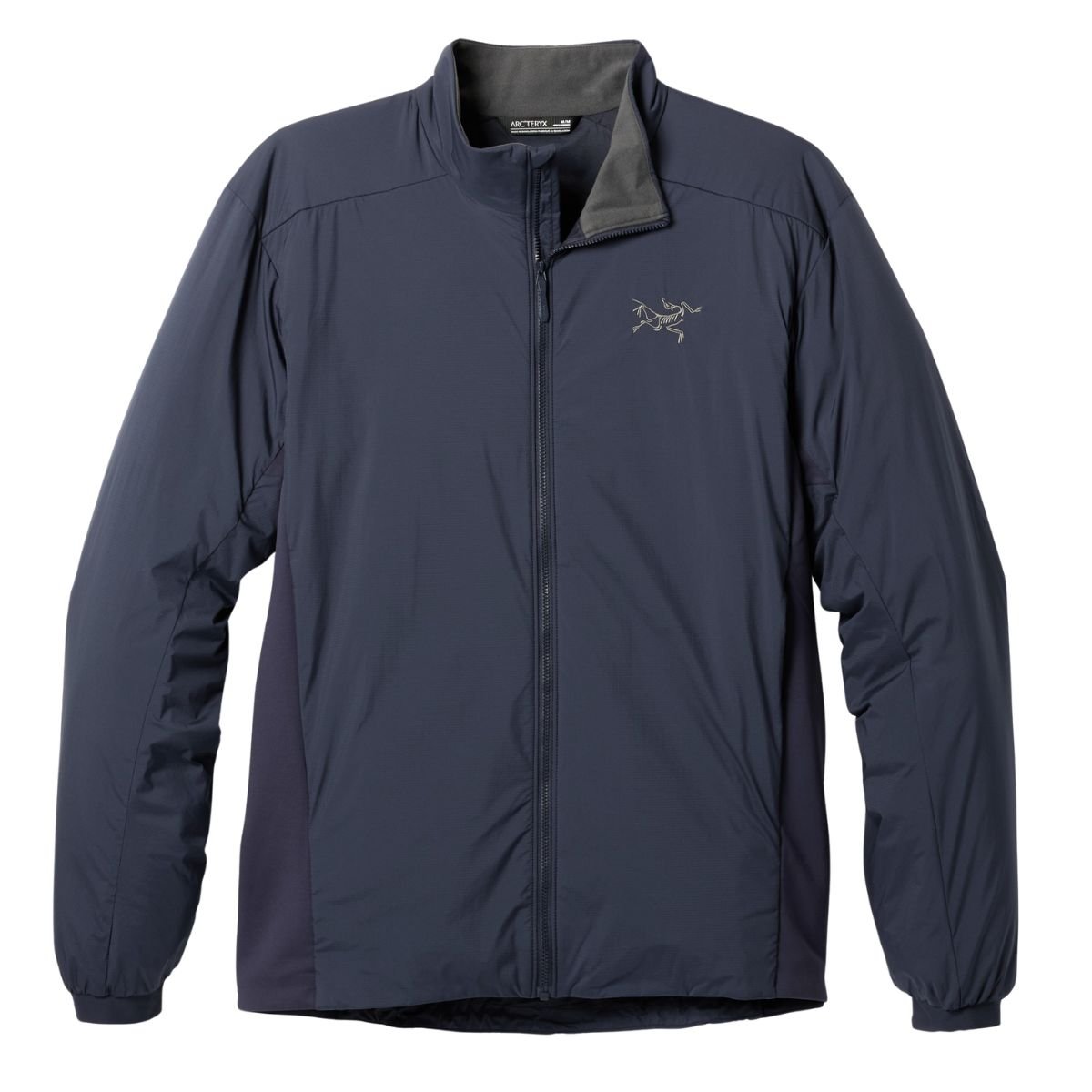
MSRP:$280
Insulation:Coreloft Compact 60 synthetic insulation (100% polyester)
Shell: 20d x 20d ripstop nylon, 45gsm
If the Patagonia Nano Puff is an insulating layer, the Arc’teryx Atom is more of an active insulation piece. The Atom comes with a greater emphasis on maintaining breathability than the Nano Puff, which makes it a solid option for athletes who need an extra layer of warmth during high-output activities.
I felt that the Nano Puff’s wind protection was slightly superior to the Atom, but both offer better protection than many down alternatives that I’ve used. Neither the Nano Puff nor the Atom is as packable as a down jacket, but they’re compact enough to take up marginal pack space.
When it comes to fit, the Atom is slightly more contoured than the Nano Puff, which makes it feel like it’s more exact. But both jackets support ease of movement in active environments. Ultimately, the Nano Puff is my pick for stationary environments or lower output activities while the Atom is a slightly stronger option for high-output activity due to its breathability.
Arc’teryx Atom Jacket
Men’s
Women’s
Patagonia Nano Puff vs Outdoor Vitals Vario Jacket
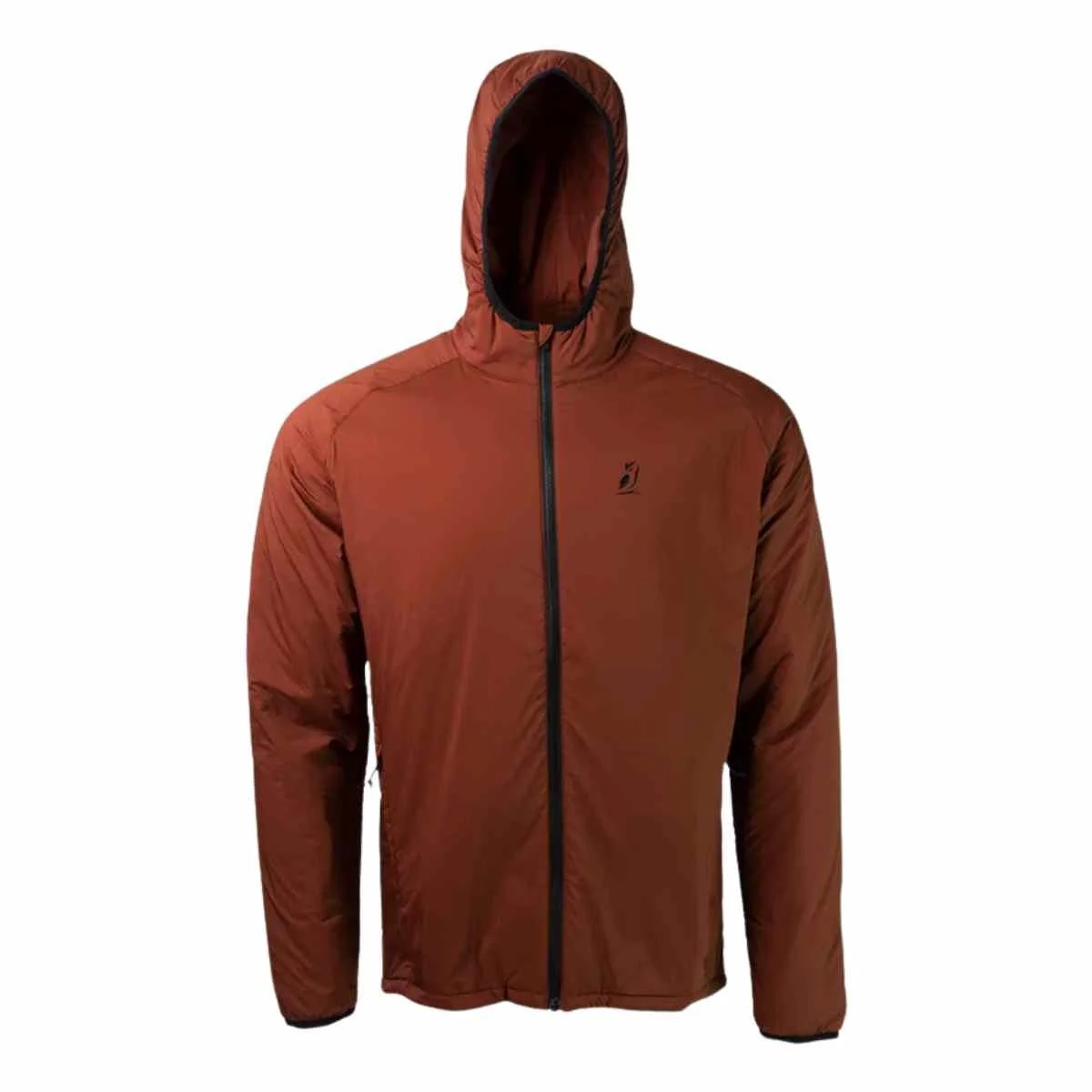
MSRP:$210 (men’s), $200 (women’s)
Insulation: 40 g/m2 Toray 3DeFX active stretch synthetic insulation (50% recycled fibers)
Shell:20D Ripstop nylon
The Outdoor Vitals Vario Jacket is also built with movement in mind. While the Patagonia Nano Puff uses 60g PrimaLoft Gold Insulation Eco, the Outdoor Vitals Vario Jacket uses 40g/m2 3DeFX active stretch insulation with mapping for optimal breathability, making it a solid choice for hiking and climbing in cold conditions.
Both jackets use a synthetic insulation with a DWR-coated shell. They can each handle dampness better than a comparable down jacket. Notably, the Nano Puff is also heavier than the Vario. It weighs 9 ounces in a men’s medium while the Nano Puff weighs 13. They also come with similar price points, with the Vario about $30 cheaper.
Ultimately, the Patagonia Nano Puff makes for a better standalone puffy when it comes to warmth. But the Outdoor Vitals Vario Jacket offers better temperature regulation.
Outdoor Vitals Vario Jacket
Men’s
Women’s
Should you buy the Patagonia Nano Puff insulated jacket?
-
You’re looking for a jacket that maintains its warmth even when wet.
-
You value versatile jackets that stand the test of time.
-
You regularly encounter unpredictable or damp conditions.
-
You run cold or want heavier insulation for cold weather.
-
You’re looking for an extremely breathable jacket.
Where to buy the Patagonia Nano Puff insulated jacket
The Patagonia Nano Puff insulated jacket is popular, so you have options when it comes to retailers. Here are some of the pros of the retailers.
Pros:100% satisfaction policy for 1 year; 10% dividend for members.
Pros:366 day returns, store locations in ski towns for easy last-minute pick-up, may offer rentals if you want to try before you buy, earn 10% back in Rewards,free membership gets discounts on services and rentals
Backcountry
Pros: Frequent sales for Expedition Perks members (free to join), fast shipping, Gearhead chat customer service is excellent
Advice on where to buy
In general for apparel, we recommend purchasing from a place with easy or free returns, like REI. If your funds allow, many people find it is faster to order two sizes and return whichever one didn’t fit as well. Additionally, check reviews to see whether other users recommend sizing up or down.
Why you should trust us / About the author

Mary Beth Skylis began her love affair with the outdoors with a thru-hike of the Appalachian Trail in 2015, for which she bought her first Patagonia Nano Puff jacket. After finishing the Appalachian Trail, she was hooked on adventure. She expanded her bucket list of trails and climbing routes, spending all of her free time above treeline. Before long, she was tackling the Annapurna Circuit with the Nano Puff. Then, she started testing competitive synthetic and down jackets that would support her life of adventure across the globe. Today, Skylis spends most of her free time testing gear. Most recently, she tested more than 20 hiking boots for Treeline Review.
Find more of her work on her Treeline Review author page.
October 27, 2026
Mary Beth Skylis
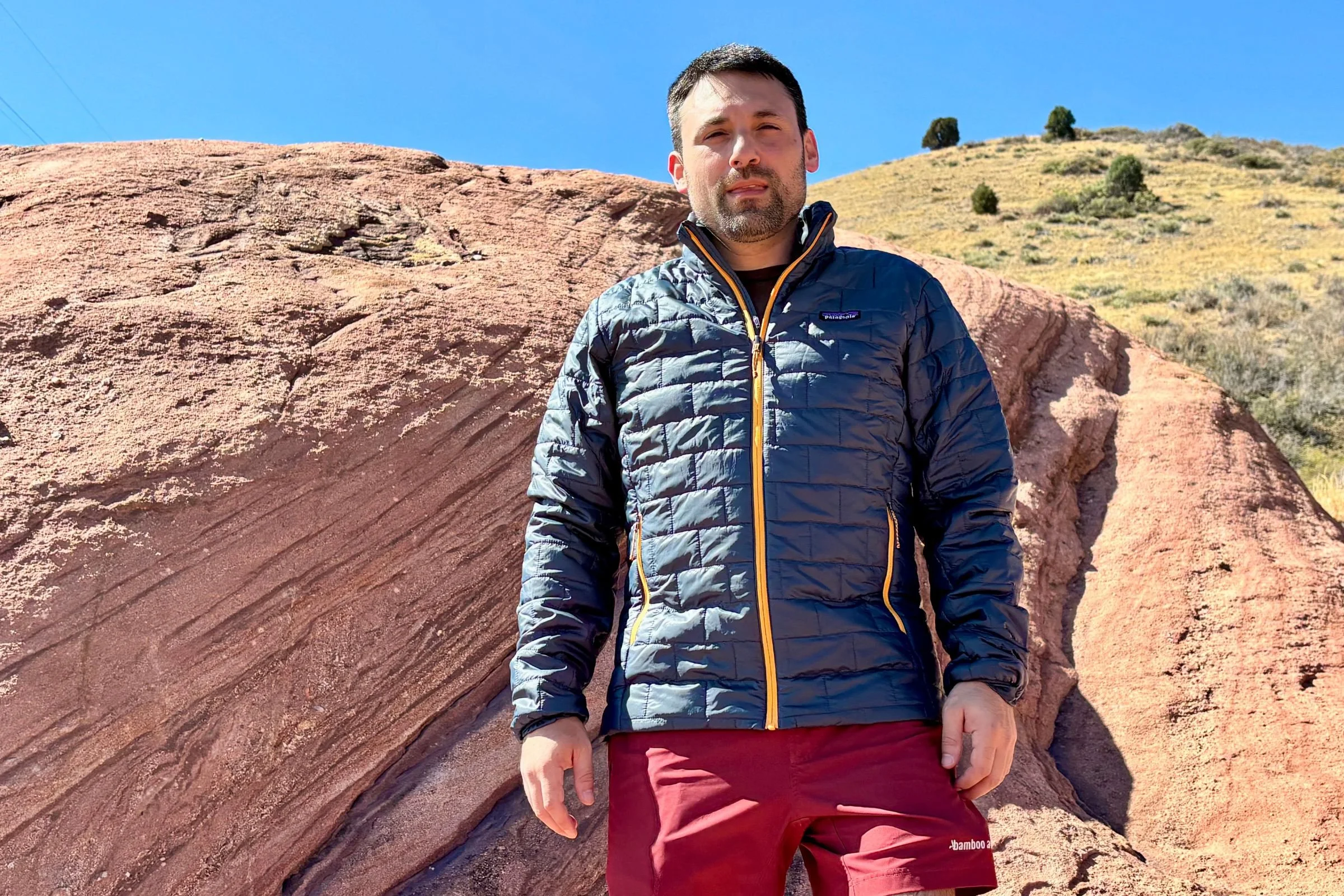
Patagonia Nano Puff Insulated Jacket Review: 11 Years and 3,000+ Miles of Use
October 27, 2026
Mary Beth Skylis
Our Patagonia Nano Puff review covers warmth, weather resistance, packability, fit, and where this synthetic jacket works best.
October 27, 2026
Mary Beth Skylis
October 26, 2026
Ebony Roberts
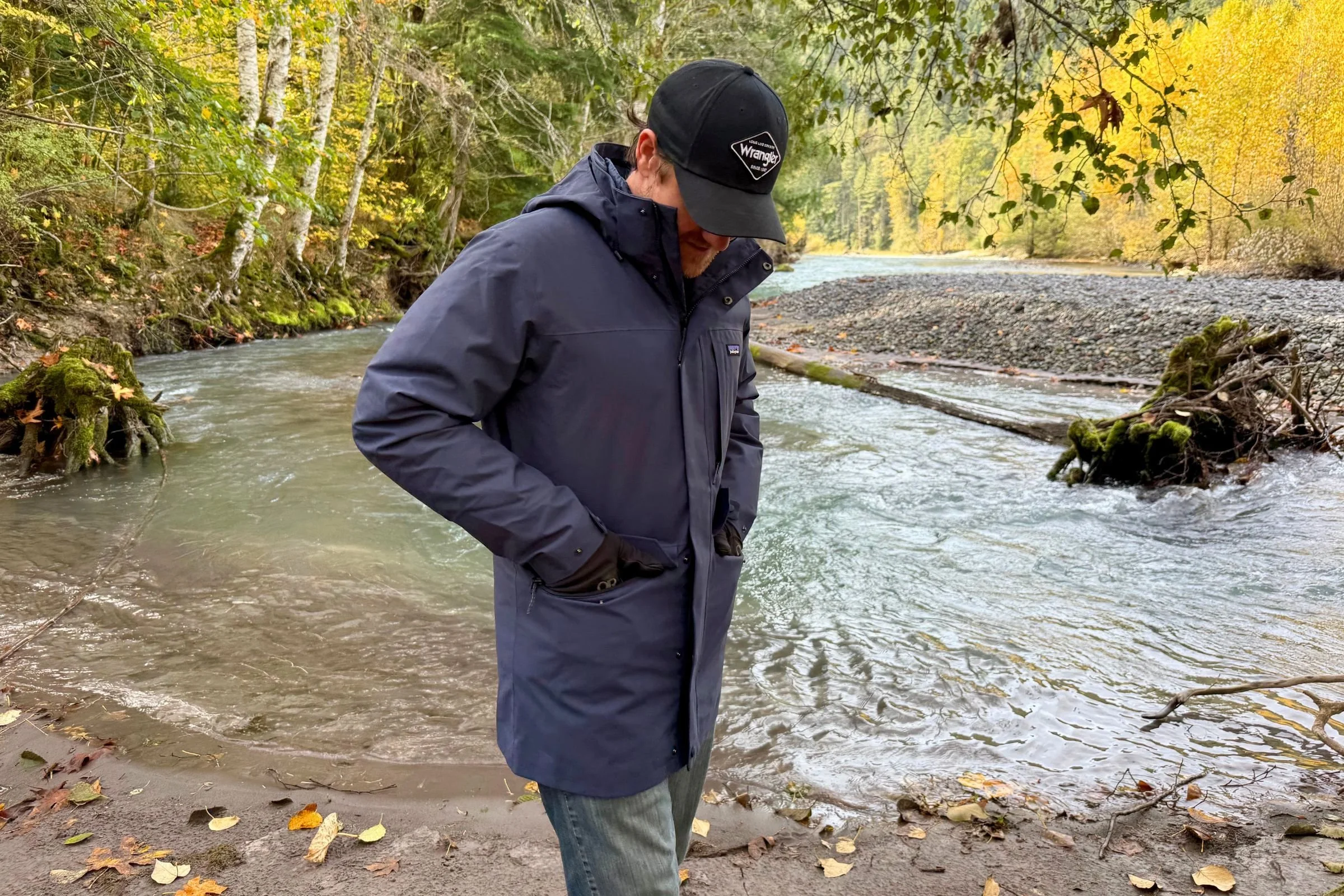
Patagonia Tres 3-in-1 Parka Winter Jacket Review: The Most Versatile Winter Jacket We Tested
October 26, 2026
Ebony Roberts
Our Patagonia Tres 3-in-1 Parka review covers warmth, weather protection, fit, and versatility for cold, wet winters and everyday use.
October 26, 2026
Ebony Roberts
October 23, 2026
Ebony Roberts
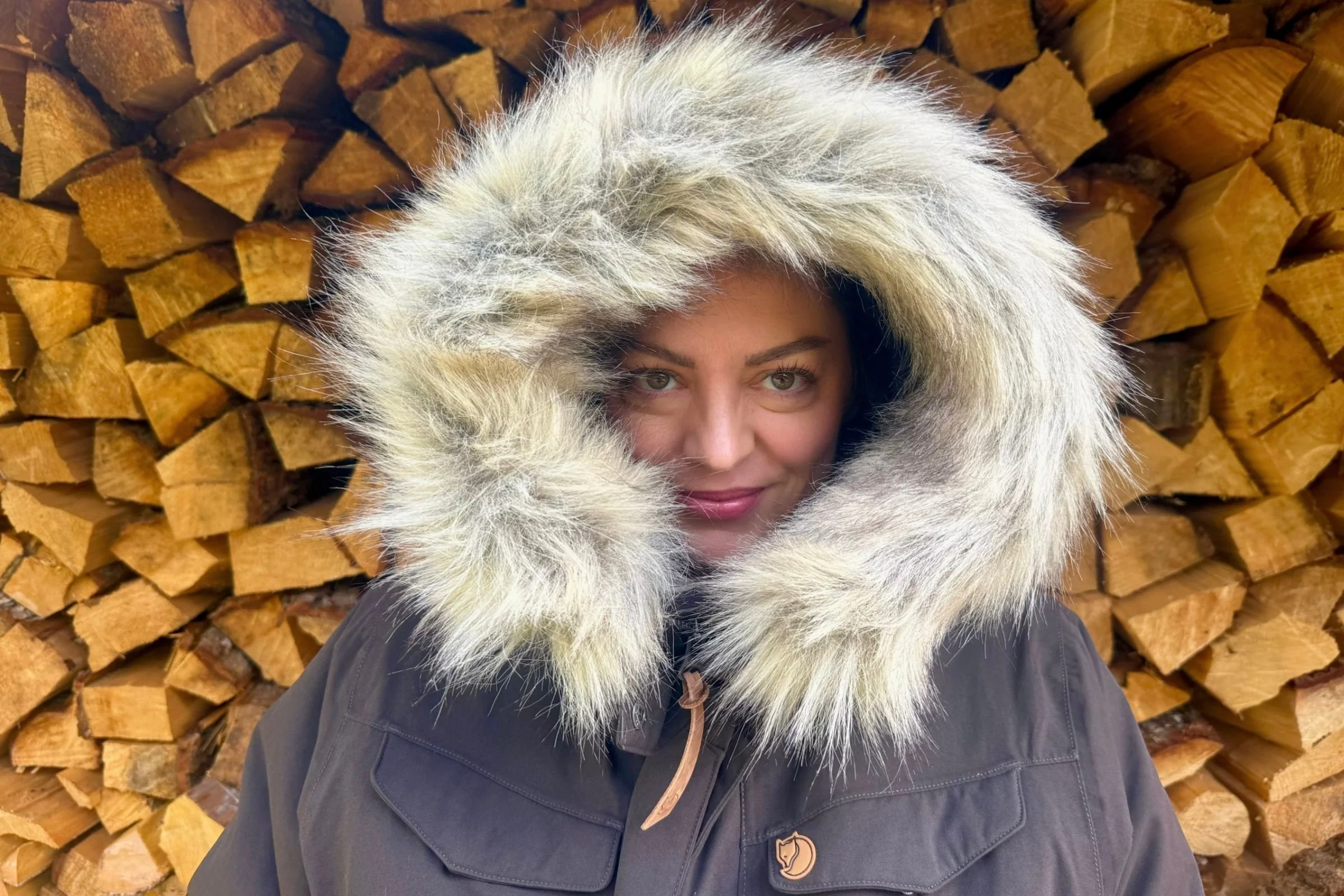
Fjällräven Nuuk Parka Winter Jacket Review: Maximum Coverage for Cold, Wet Weather
October 23, 2026
Ebony Roberts
Our Fjällräven Nuuk Parka review covers warmth, weather protection, fit, and everyday use for people facing long, cold, wet winters.
October 23, 2026
Ebony Roberts