After years living and working abroad, bestselling philosophy writer Martin Cohen has returned to his roots in East Sussex, where he is launching his latest book on Wednesday 11 November. The author of over 20 books, , Martin’s latest work explores the foundational philosophies of the Israeli state. Says Martin: “It is the philosopher’s responsibility not only to tell the truth but to make sense of events, and I felt this wasn’t happening in the case of the Middle East, from Israel to Iran to Yeman.
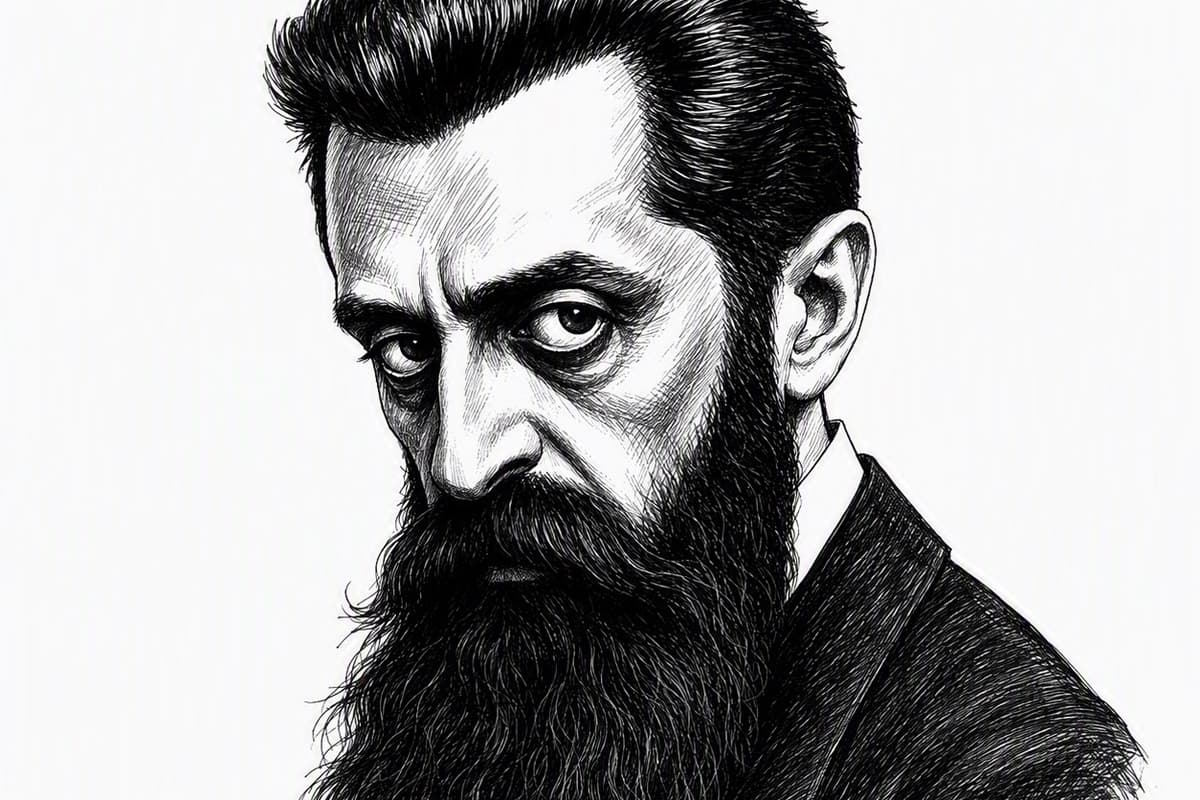
Instead, it is often presented as random violence It is this that led me to write about the key ideas that have shaped the region. And when I looked at it, I found many aspects which just weren’t being talked about, like the stories of certain influential thinkers – people like Carl Schmitt and Ze’ev Jabotinsky. “Few will even know their names! Yet today in Israel, there are 57 streets, parks and squares are named after Jabotinsky, more than for any other person in Jewish or Israeli history.
There are special postal stamps in his honour! So we need to find out more…” Martin returned to the East Sussex coast 18 months ago after years working in Australia, France and before that Yorkshire, drawn to Hastings’ political and literary scene. “I was born in Brighton”, he says “ and my family are now mainly in Lewes and Eastbourne, but I really like Hastings – the old town, the country park and the coast.
Hastings is such a unique place
Hastings is such a unique place with a really good feel – and I love being by the sea.” Martin’s two bestselling books – 101 Philosophy Problems and 101 Ethical Dilemmas – have been translated into 20 languages. He puts their combined success down to his democratic approach, turning long texts and complex ideas into small, bitesize chunks to make them accessible to everyone.
They’re definitely philosophy but Martin insists a political thread run through all his books because he doesn’t believe in splitting off philosophy from other areas of life. “Some might say there the world can be divided up between philosophy, psychology and politics and they’re all different, but I think they’re all part of the same thing and you enlighten your understanding when you look at everything from all the angles.” As a writer, this approach has taken Martin into diverse subject areas from the philosophy of food to nuclear energy and geopolitics.
“Everything connects up,” he says. “And the political aspect is where it is most important. It is the cutting edge.”