Lexus introduced the F Sport trim as a way to offer sharper handling and more aggressive styling to its standard luxury lineup for buyers who don’t want full-blown F models like the V8-powered IS F and RC F, which represent the brand’s highest factory-engineered performance. The F Sport name has appeared on a wide range of Lexus models since the 2008 IS F sedan, but today, it doesn’t mean the same thing on every vehicle. Depending on which model you’re looking at, F Sport can be a trim level, a handling package, a performance package, or even a combination of the three.
According to Lexus’s own 2013 press materials, the primary difference of the F Sport vehicles is their factory-installed suspension calibration, which gives the cars sharper handling and feel than the standard trims. Every F Sport model also gets more aggressive exterior styling – including a mesh grille and sportier bumpers – and sporty interior trim, including upgraded seats, aluminum pedals and an F Sport steering wheel – but additional features vary from model to model. Most new Lexus models continue to offer F Sport trims – each with different, confusing levels. The only exceptions include the LC 500 Grand Tourer and the rugged GX SUV.
What’s included in the F Sport package?
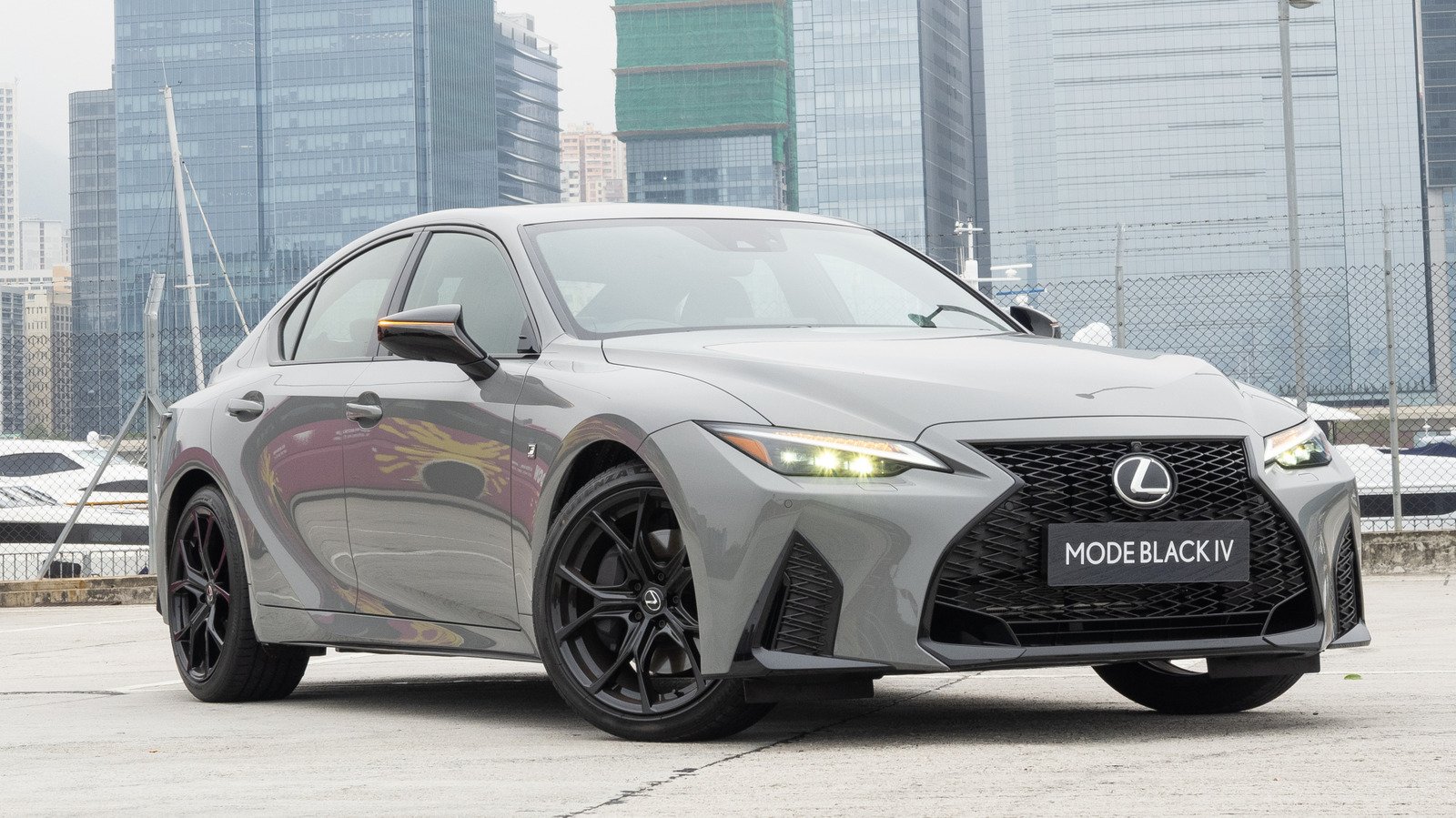
For example, for the IS 350 sedan, the F Sport grade adds a 311-horsepower V6 with AWD and a 12.3-inch Lexus Interface touchscreen. A special appearance package limited to 350 North American units is also available for the 2026 F Sport IS model, which includes features such as Hakugin matte white paint, black BBS forged alloy wheels, and Mark Levinson audio.
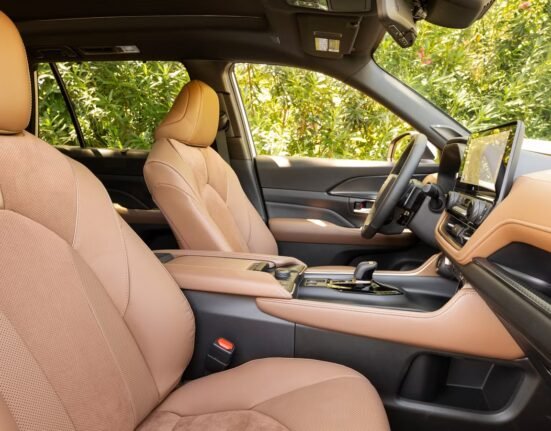
Lexus’ TX three-row SUV offers three different F Sport tiers: Handling, Performance Premium, and Performance Luxury. They all include “F Sport” badges on the steering wheel and seats, as well as a leather-trimmed shift knob, but each adds its own distinctive tweaks. For example, F Sport Handling is on the lower TX 350 and adds all-wheel-drive and adaptive variable suspension, while F Sport Performance Premium and Luxury – exclusive on the 366-hp hybrid TX 500h – adds AWD and F Sport accents throughout the interior, along with exclusive Dynamic Rear Steering.
Similarly, the mid-size RX SUV handling, performance and design is available in F Sport configuration, but again, the F Sport Performance trim is linked to the RX 500h and includes Dynamic Rear Steering. The LX flagship SUV has also joined the F Sport craze with an F Sport handling grade and Appearance Package available for 2026. And the NX compact SUV also has an F Sport option, making it one of the more accessible entry points into the F Sport lineup.
It’s worth keeping in mind that the F Sport is a styling and handling upgrade – not a powertrain. If you’re shopping for Lexus’ most powerful factory-built vehicles, that’s F model territory. In this case, you’re looking at the now-discontinued old-school IS 500 F Sport Performance and the RC F with a naturally-aspirated V8, which represent the modern performance range for the nameplate.