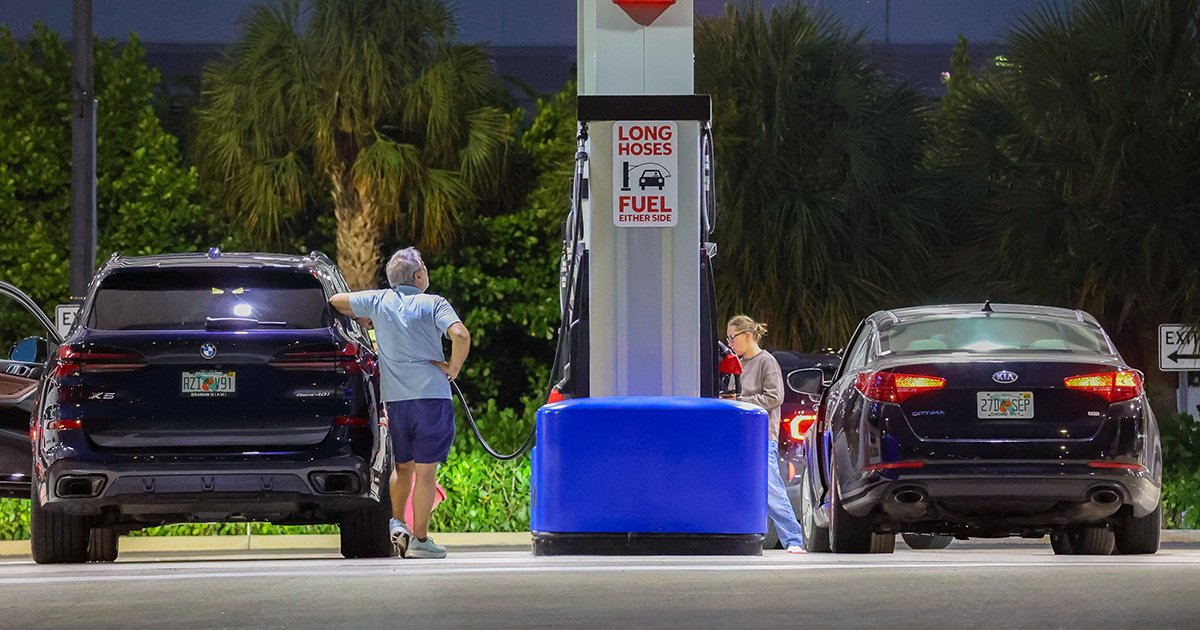
Drivers refuel at a gas station in North Miami Beach, Florida. (Jack Bennett/Bloomberg)
key takeaways:
- Average US gasoline prices climbed above $4 a gallon as the US-Iran conflict intensified and concerns grew about disruptions to global fuel supplies.
- Refining bottlenecks, a reduction in Russian refining capacity, lower imports and limited reserves have pushed fuel prices higher, with US diesel rising above $5 a gallon.
- Analysts say refineries are operating at higher rates to meet demand and maintain margins, but any cuts or disruption in supply could push up fuel prices.
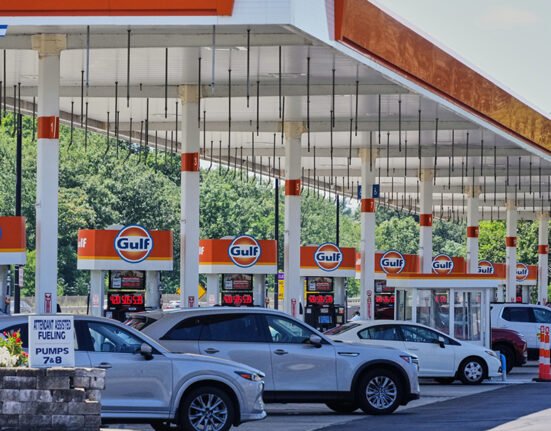
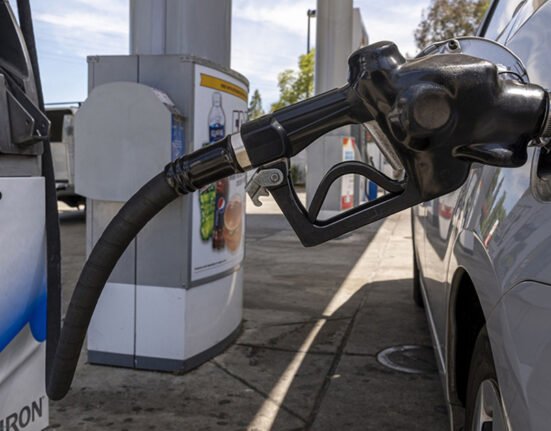
U.S. gasoline prices at the pump climbed above the $4-a-gallon mark as conflict in the Middle East escalated, threatening to escalate a global crisis for transportation fuel and fuel stoke inflation.
Regular unleaded gasoline averaged $4.003 a gallon, That’s after staying below the painful threshold for drivers for a month, according to daily prices posted by the American Automobile Association. Road fuel prices are also rising in Europe, with gasoline near seasonal levels last seen in 2022 after the invasion of Ukraine.
The fuel has surged faster than crude since the U.S.-Iran war caused the oil market’s biggest-ever supply disruption, weighing on consumers and troubling central banks. The real bottleneck “is more in refining than crude,” Morgan Stanley said in a note.
“At the moment, there is not enough refining capacity running to convert the available crude into product,” Morgan Stanley analysts including Martijn Ratts said. This “keeps crude oil in check, and at the same time throws product markets into crisis.”
U.S. gasoline remained expensive despite a decline in crude oil prices in June and the ramp-up of U.S. refineries. Prices dropped to $3.79 per gallon in early July before rising again.
Now, as the scope of attacks by both the US and Iran increases, the risk of continued disruption to energy flows through the vital Strait of Hormuz is increasing and prices are rising again.
The average price at the pump in the United States fell to $4 a gallon on Monday, according to the AAA Motor Club, as the war with Iran flared up again, halting most shipping and impacting already exhausted global refineries. – Jarrett Renshaw (@JarrettRenshaw) 20 July 2026
Fuel prices were also supported by a sharp decline in Russian refining capacity due to the Ukrainian attacks, lower US imports and tight reserves, at a time when demand remained relatively resilient during the peak summer driving season.
The rebound at the pump puts renewed focus on a political challenge for President Donald Trump’s Republican Party as it seeks to hold onto the House and Senate this fall. Democrats have highlighted the cost of living during the campaign, particularly focusing on high gasoline prices.
For now, the pressure on American households is not as bad as it was in May, when average pump prices were more than $4.50 a gallon.

Alex Fraser from Cox Fleet discusses how fleets should respond when a roadside breakdown occurs, testing their safety, compliance and customer service systems simultaneously. Tune in by going above or RoadSigns.ttnews.com.
But there may still be scope for increase in prices. Refineries are processing crude oil at significantly higher rates in an effort to make profits and supply fuel to the market. This poses a risk of power outages, especially during extreme weather such as hurricanes. With capacity already strained and reserves depleted, any disruption in fuel production could trigger a much larger reaction in prices than usual.
The price of diesel in the US went above $5 per gallon last week. In Europe, gasoline, diesel and jet fuel also increased.
Global crude benchmark Brent jumped 16% last week, the most since April. Futures extended gains to $91 a barrel early on July 20 after the ninth consecutive day of US air strikes on Iran, wiping out the day’s gains after Tehran said it had received offers from arbitrators. Futures were up 45% this year.