Keith Lusher 07.17.26

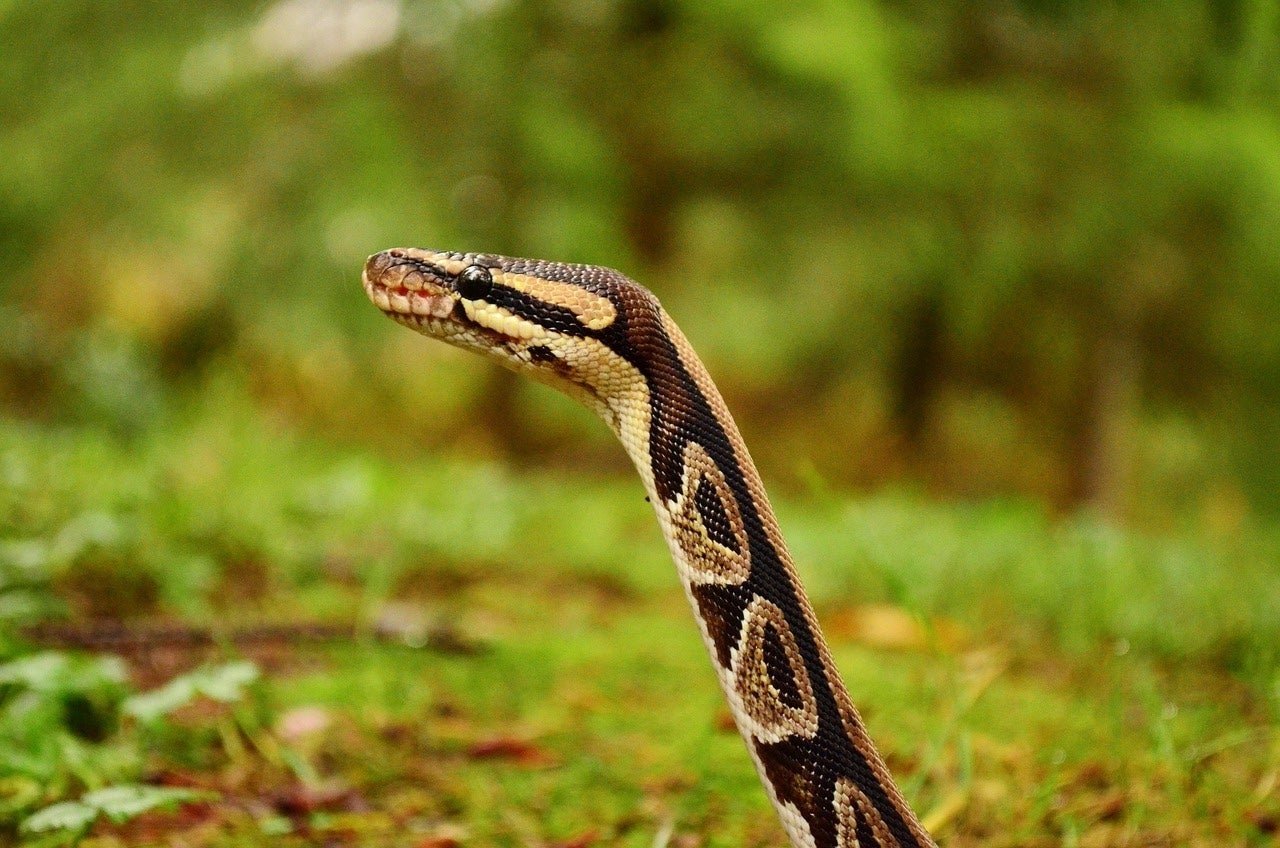
Florida wildlife officials have confirmed that invasive Burmese pythons have now become established in a new area of southwest Florida, marking a worrisome expansion beyond the snakes’ longtime stronghold in the Greater Everglades.
Florida Fish and Wildlife Conservation Commission A breeding population is now said to be established in a portion of western Charlotte County, north of the species’ previously recognized core range.
For years, Florida’s Burmese python problem has been primarily concentrated in the Greater Everglades, with established populations extending across much of South Florida. However, the population of Charlotte County appears to be separate from that main range.
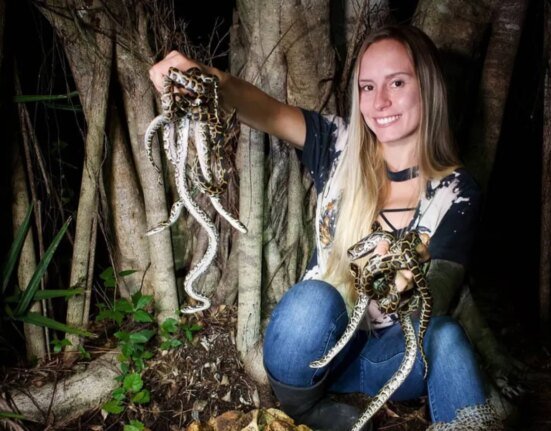
The FWC began receiving increased reports of pythons in the area around 2020, particularly near Rotunda West, Placida, Englewood East, and South Gulf Cove. According to the Early Detection and Distribution Mapping System, 78 pythons have been captured, found dead or observed in Charlotte County, with 61% of those reports occurring since 2024.
Wildlife officials do not believe the snakes reached Charlotte County through natural migration from the Everglades. Instead, the population is believed to have originated from captive pythons that escaped or were intentionally released and eventually began to breed.
This difference is important because it suggests that new populations may become established away from the main invasion front.

Burmese pythons are native to Southeast Asia and have become popular in the exotic pet trade. It is estimated that 180,000 were imported into the United States between 1975 and 2018. By 2000, the species had established a self-sustaining breeding population in South Florida.
Once installed, large-scale barriers can have devastating effects on native wildlife. Burmese pythons are generalist apex predators capable of eating birds, rabbits, raccoons, opossums, bobcats, deer, alligators, and other animals.
Research in the Everglades has linked the presence of Burmese pythons to drastic declines in some native mammal populations. Scientists fear that if new populations are allowed to grow unchecked, a similar pattern could develop in other parts of Florida.
Charlotte County may present additional challenges due to its extensive network of natural and man-made waterways. The Cape Hayes Peninsula is cut by canals that may provide travel corridors for semi-aquatic snakes, while the area is also connected to major waterways, including the Peace, Myakka, and Caloosahatchee rivers.
FWC has already increased its efforts in this area. Starting in June 2024, the agency’s Non-Native Fish and Wildlife Program hired two part-time python technicians to conduct surveys and remove snakes three times per week in areas with the highest concentrations of reports.
The discovery comes as the 2026 Florida Python Challenge gets underway in South Florida. The annual competition runs from July 10 to July 19 and encourages participants to remove invasive Burmese pythons from designated areas. However, Charlotte County is not currently included in the competition’s hunting areas.

Individual Burmese pythons have been discovered as far north as Florida, including one found in 2024 Four Creeks Wildlife Management Area North of Jacksonville. However, isolated sightings do not mean that a breeding population has become established.
However, Charlotte County is different. An increasing number of reports and evidence of reproduction indicate that Burmese pythons are no longer just occasional visitors to this part of southwest Florida. He has established his footing.
Now, wildlife officials and researchers face the challenge of determining how large the population has grown and whether it can be stopped before the snakes spread into Florida.

keith lusher
Keith Lusher is an award-winning outdoor journalist who lives in Covington, Louisiana. He owns and operates NorthShoreFishingReport.com and writes a weekly outdoors column for the Slidell Independent Newspaper. He also writes for the St. Tammany Parish Tourism Commission’s VisitTheNorthshree.com. He is the former host of The Northshore Fishing Report radio show and is on the board of the Louisiana Outdoor Writers Association. Keith contributes to numerous publications both online and in print and is proud to promote the unique fisheries of South Louisiana. To contact Keith email: keithlusherjr@gmail.com