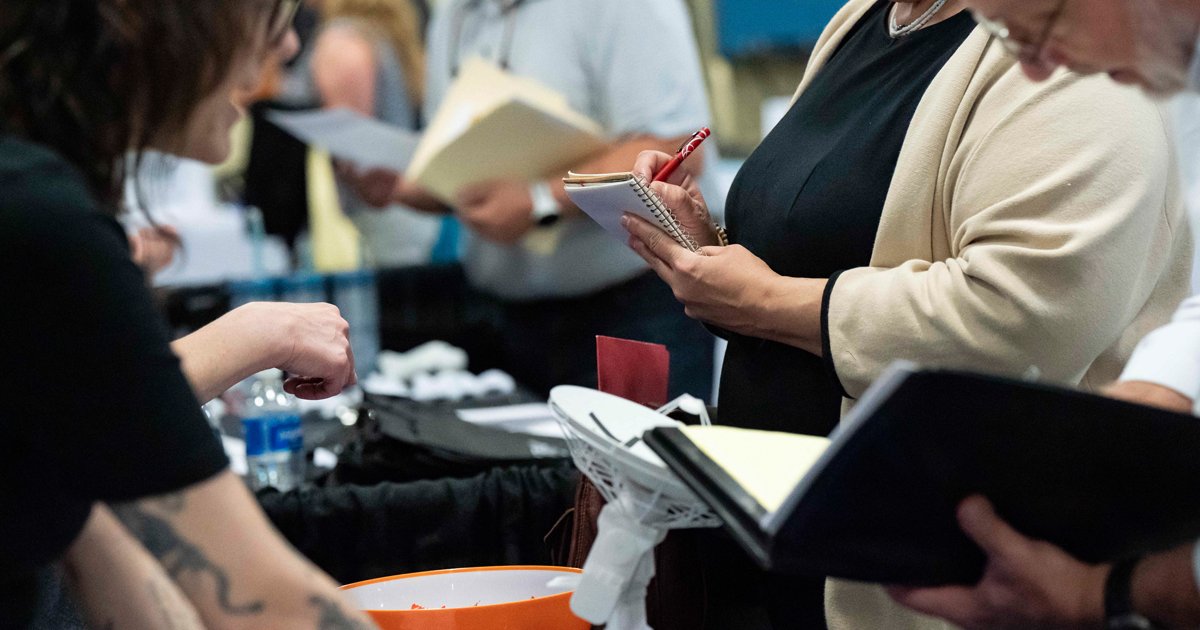
The decline in hiring led to the largest decline in leisure and hospitality payrolls since 2020. (Allison Joyce/Bloomberg)
key takeaways:
- Nonfarm payrolls increased by 57,000 in June after declining in the previous two months.
- The unemployment rate fell to 4.2% as labor force participation fell to 61.5%.
- Leisure and hospitality led the hiring decline, while health care and social assistance continued to post strong hiring.
The pace of US hiring slowed sharply in June despite a decline in the unemployment rate, curbing some of the emerging momentum for job growth this year.
Nonfarm payrolls increased by 57,000 last month after declining in the previous two months, according to Bureau of Labor Statistics data released July 2.
The unemployment rate fell to 4.2% due to a sharp decline in labor force participation.
The report shows that despite signs of strength in recent months, the labor market still faces challenges. While consumer spending has been resilient in the face of energy shocks from the Iran war, Americans are pessimistic about high prices and wages that have not kept up with inflation, which could also keep employers cautious about hiring.
The decline in hiring led to the largest decline in leisure and hospitality payrolls since 2020. Jobs also declined in the retail trade and information sectors, while strong hiring continued in health care and social assistance.
S&P 500 futures rose, while Treasury yields and the dollar fell. Investors have also reduced their bets on the Federal Reserve’s interest rate hike this year.
According to the July 2 report, the participation rate – the share of the population working or looking for work – fell to 61.5%, the lowest level in more than five years. That was little change from a year earlier, the BLS said, when accounting for population adjustments.
Manufacturing and construction payrolls increased in June. Many economists have pointed to data center buildouts as a potential driver of construction labor demand in 2026, even as home construction remains restrained by high interest rates.
At the same time, some big tech companies, such as Meta Platform Inc. and Microsoft Corp., are reducing headcount to offset huge spending on artificial intelligence. Information Payrolls continued to decline, the 17th decline in the past 18 months.
Employment in the financial activities sector, another major employer of white-collar workers, considered most vulnerable to automation, was little changed.