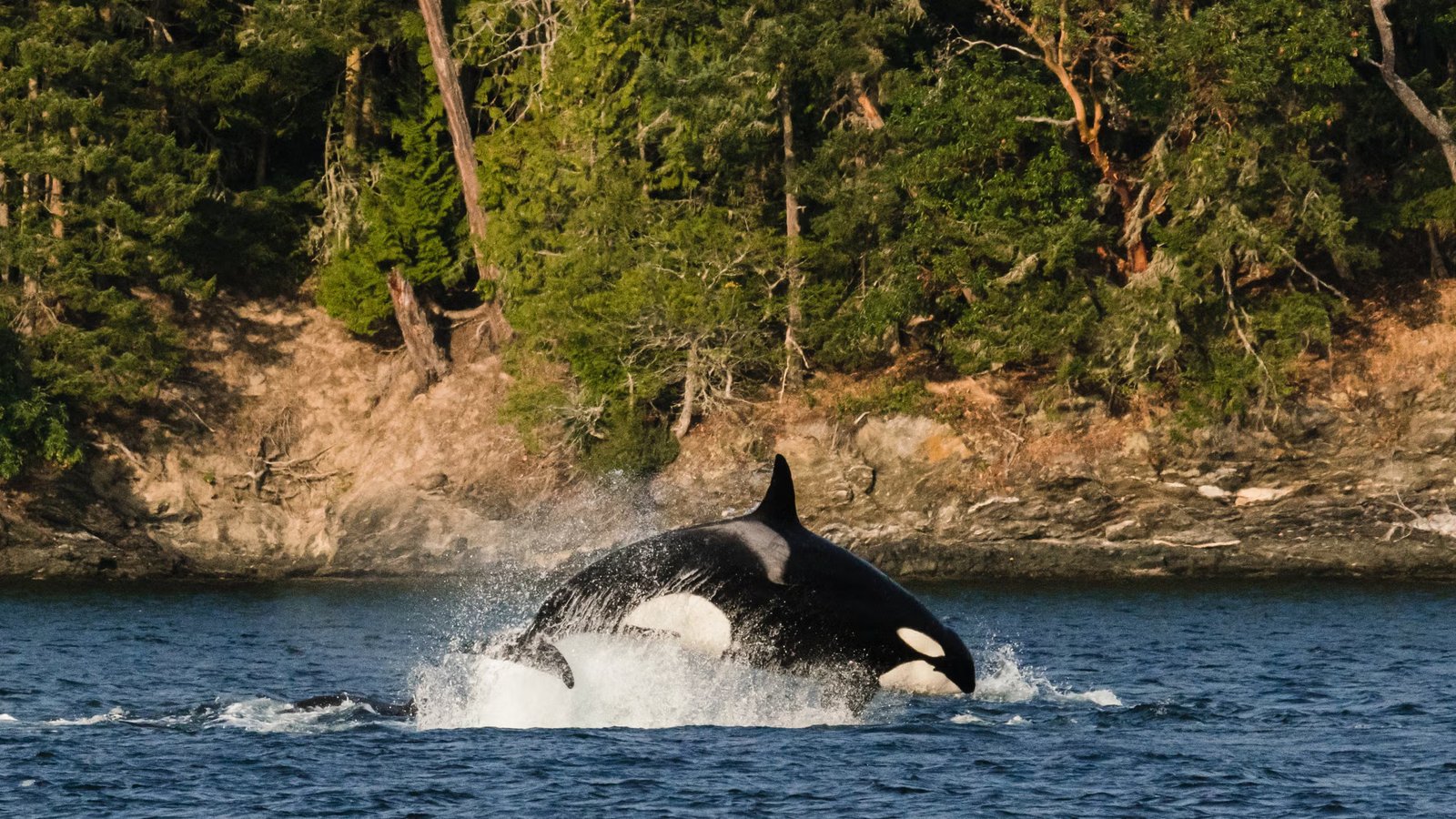
See humpbacks, orcas, gray whales, minke and more on these seaside walks.
(Photo: Cavan Images via Getty Images)
Published June 18, 2026 03:13 pm
It’s always a thrill to see wildlife on the trail. After all, there’s nothing like seeing a moose, black bear or elk roaming the woods. But why limit your megafauna bucket list to terrestrial mammals? Summer is often the perfect time to see the charismatic aquatic wildlife, (without feeling seasick all day on a tour boat). These six whale watching hikes are just a few of many coastal paths Which invites you to lace up your boots for an active cetacean-spotting adventure. Routes range from extended day hikes to multi-day epics and encourage you to slow down, keep a steady eye on the surf, and observe some of the ocean’s largest mammals from trailside or your shore campsite. Just don’t forget binoculars.
Juan de Fuca Marine Trail, Vancouver Island, Canada
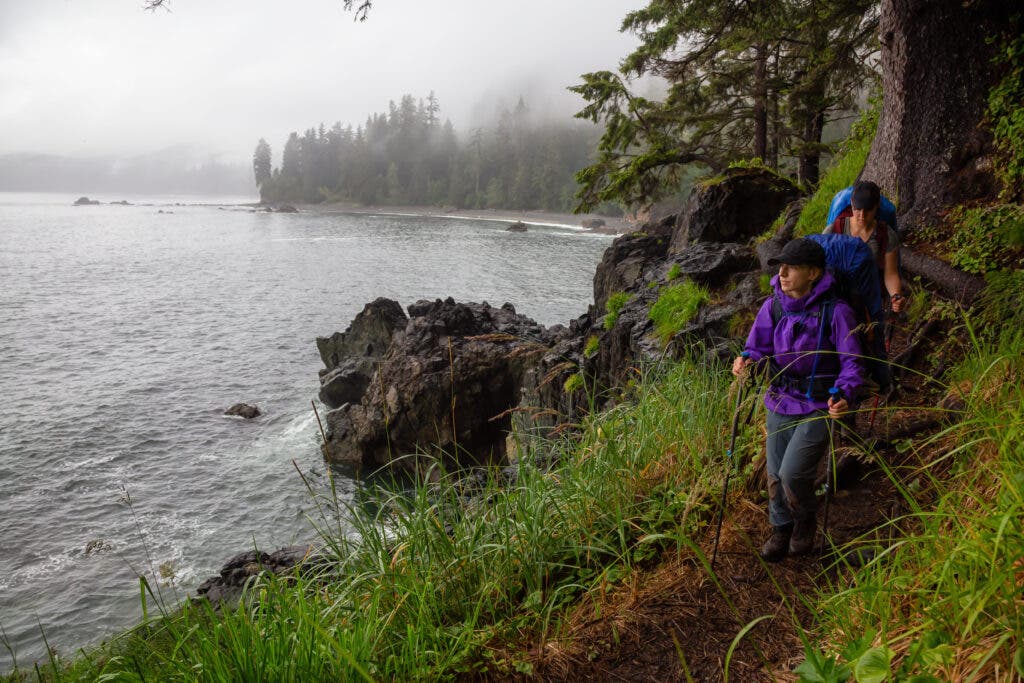
This 29-mile trail is one of Canada’s most iconic, and offers more solitude than its neighbor, the popular West Coast Trail. Crashing waves and misty mornings await you on this three- to five-day backpacking trip that takes you through coastal British Columbia’s lushest temperate rainforests, across rocky shorelines, past pebble beaches and around suspension bridges and fern-carpeted terrain that guarantees thrill and inspiration.
You can tackle different sections as day hikes, but several backcountry beach camping sites along the route provide perfect places to kick back, relax, and watch the whales while preparing for dinner. July to September is the best time to see humpback and gray whales, as well as other aquatic and terrestrial wildlife, including seals and black bears. The route is set to reopen on July 1 this year after repairs due to storm damage. Start at the China Beach or Botanical Beach trailhead near Port Renfrew for this point-to-point route. Set up your own shuttle, or book one through West Coast Trail Express.
North Coast Trail, Olympic Peninsula, Washington
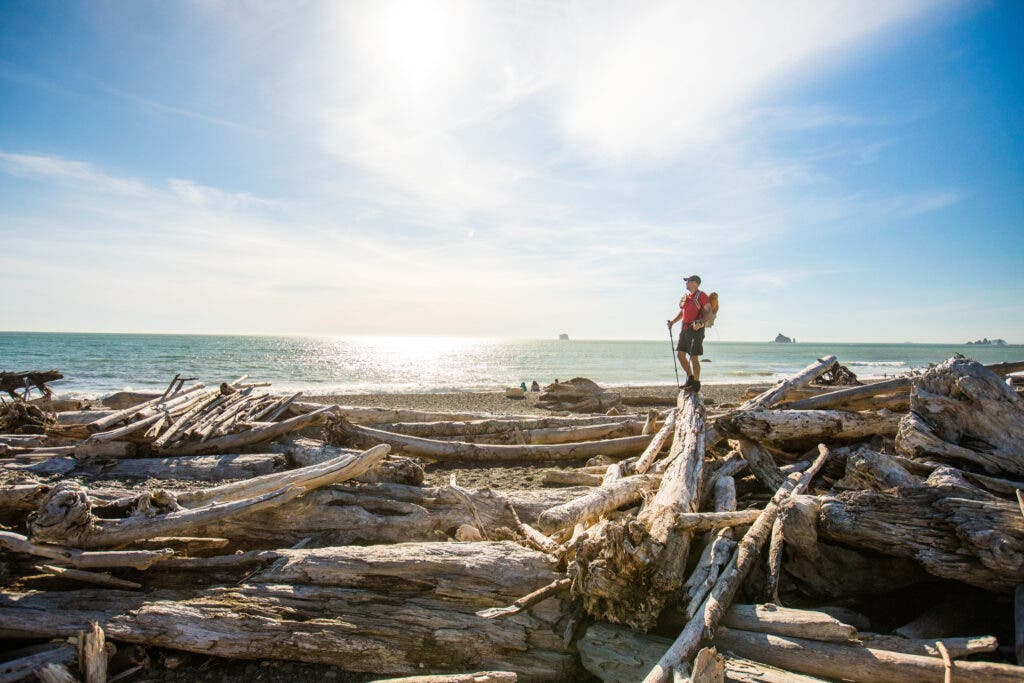
On this one-way route with your own adventure style in Olympic National Park, you’ll wind your way through emerald coastal forest, across beaches, and up and over cliffs for ocean views that just don’t quit. But most importantly, during March to May, you can see gray whales sailing past the coast. During summer and fall you may even see minke whales or orcas.
An abundance of pristine beach sites pepper the route, making travel planning highly customizable. Start at the Ozette Trailhead and trek to Rialto Beach for a 20-mile route or from Shi Shi Beach to the Ozette Trailhead for a shorter 15-mile option. Book a shuttle with Olympic Hiking Company To take you to the beginning and leave your car at the end so you can proceed at any speed you wish. A park pass and wilderness permit are required and can be reserved at Recreation.gov.
Na Pali Coast Trail (Kalalau Trail), Kauai, Hawaii
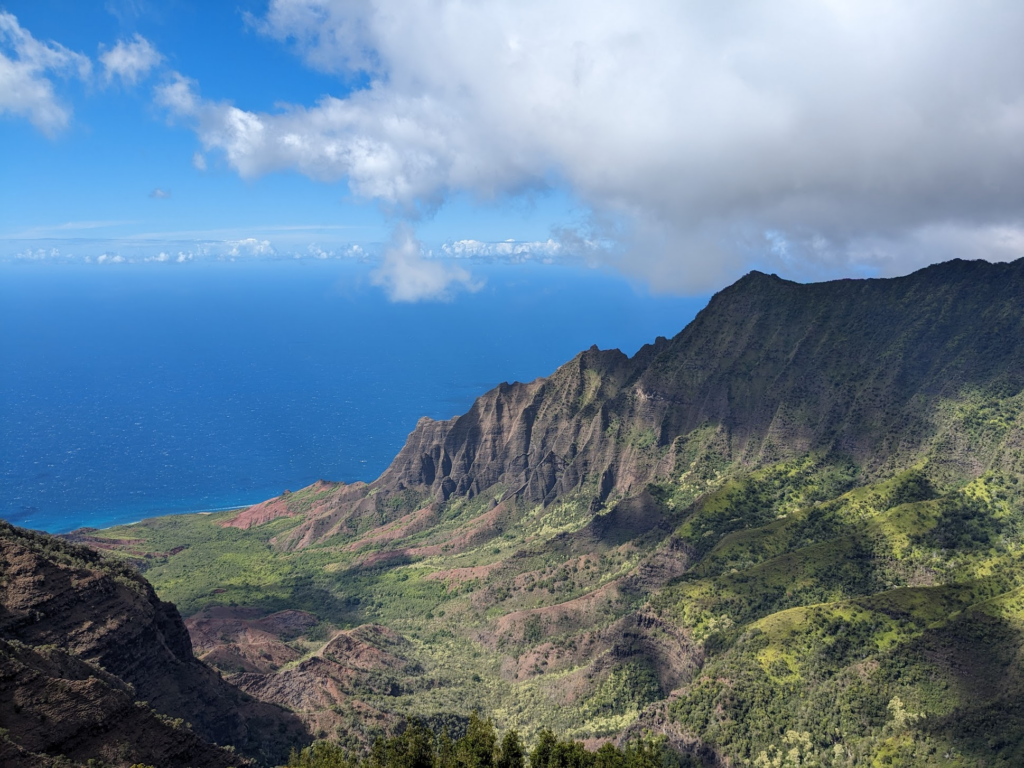
This famous aerial route – a challenging 22-mile round trip and return – not only boasts tropical forest scenery straight out of Jurassic Park, but also whales. The lush trail takes you through lush valleys, past towering cliffs, offering views of the sea caves below and ending at Kalalau Beach where you’ll spend the night. In winter, watch for humpbacks visiting just off the rocky shoreline.
Dayhikers can cover a good portion of the route, but they’re not allowed to tackle the whole thing in one day, so plan at least an overnight stay. Parking reservations and camping permits or day-use reservations are required and shuttles are available to get you to and from the trailhead. Book and score a permit at gohaena.com.
Estero Bluffs State Park, Cayucos, California
Located on a quiet stretch of Highway 1, on the outskirts of Cayucos is an accessible and mesmerizing coastal walk: the Estero Bluffs Trail in the state park of the same name. The open trail is not technical or difficult, but can be magically mysterious on misty mornings and there’s a chance to walk among tide ponds to see wildlife such as anemones, sea lions, sea stars and cormorants as you stroll through wild flowers and coyote brush. From December to March, scan the ocean for gray whales heading south to warmer waters.
Start at the North Ocean parking area and walk 7 miles the entire route or walk an additional 0.5 miles each way from downtown.
Cape Lookout State Park Trail, Oregon
Drive 5 miles between Tillamook and Pacific City and you can see up to 30 gray whales per hour passing through the shallow waves as they migrate to the coast each spring. Hiking trails stretch the length of the peninsula and provide a tour through old-growth hemlock and spruce forest, with uninterrupted open views of the Pacific and plenty of opportunities to see sea birds such as cormorants and black oystercatchers.
Start and end at the Cape Lookout Trailhead. The North and South Trails, both part of the 425-mile Oregon Coast Trail, offer the option to extend your hike or, if you’re into hiking, turn the way down to the Cape into an epic side-quest. A day-use parking permit is required.
East Coast Trail, Newfoundland and Labrador, Canada
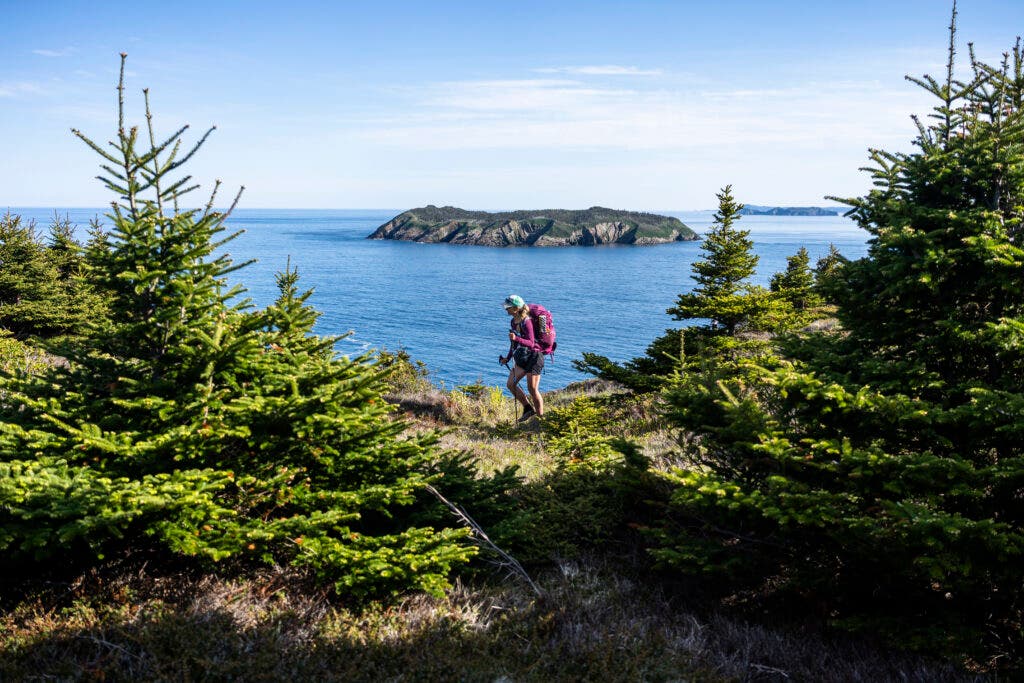
Whale watching opportunities abound along Canada’s east coast, including the 167-mile East Coast Trail. Along the way you’ll encounter huge sea stacks, fjords, a wave-driven water spout that erupts through holes in the rocky cliffs like a geyser, and views of the Atlantic from towering cliffs.
June and August are the best times to see the creatures, but from summer to fall you can see whales and migrating humpbacks, the world’s largest feeding population. Hike the entire route in a week or two or visit some shorter sections for an exciting weekend of hiking and whale watching.