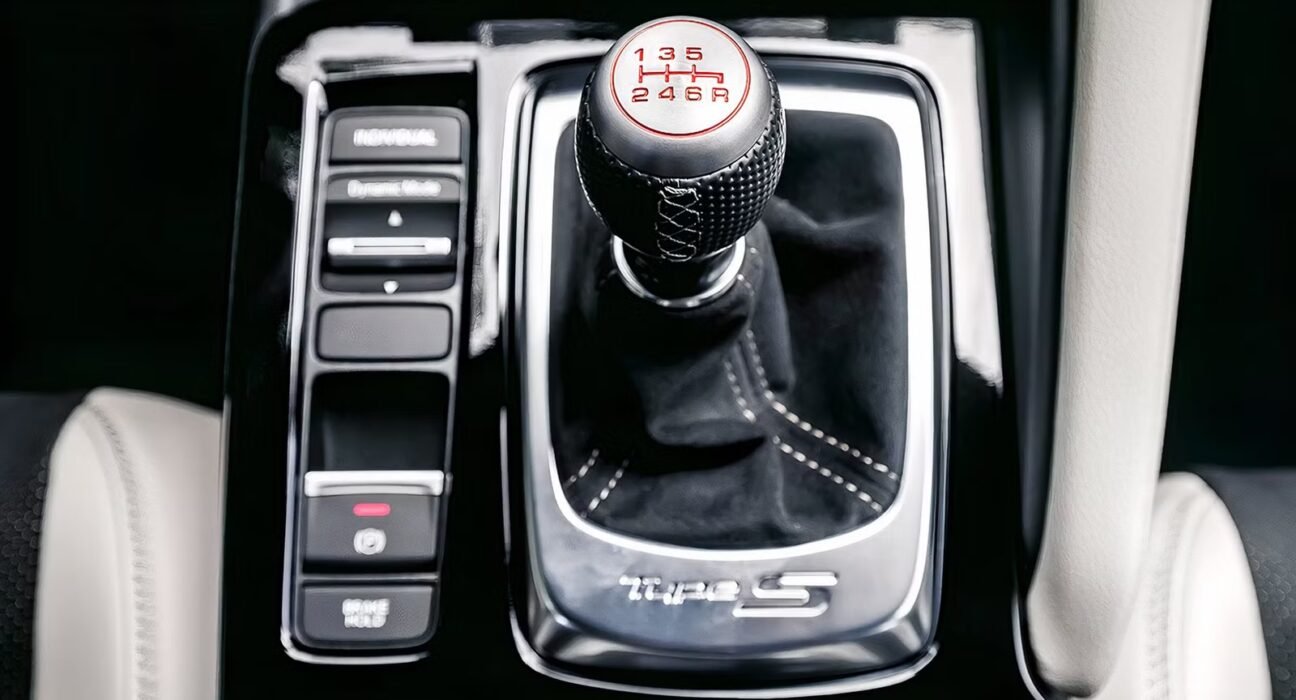
The Washington Post declared this week that the stick shift is “almost over” — and the numbers confirm it. Of the hundreds of new vehicles on sale in the United States for 2026, less than two dozen still offer a clutch pedal. That list is getting shorter every model year, and several automakers have already confirmed they will not offer manuals going forward.
The window is closing for buyers who want the traditional three-pedal driving experience. Here’s a candid look at which current production models still offer a manual, what automakers themselves are saying about the future of transmissions, and why the business logic behind the phase-out is essentially irreversible.
Sports cars: the last holdouts with the clutch pedal
Porsche remains one of the most prominent defenders of the 911 manual. The current 992.2-generation 911 Carrera and Carrera S both offer a seven-speed manual as an option with the PDK dual-clutch automatic – and Porsche has publicly stated that it intends to keep the manual available as long as customer demand justifies it. This is a worthwhile commitment from a brand that could easily standardize on PDK across the entire lineup.
The situation with the Chevrolet Corvette is more complicated. The C8 generation moved to a mid-engine layout that made it nearly impossible to package a traditional manual, so the only transmission available is an eight-speed dual-clutch automatic. Notably, GM filed a patent years ago for a by-wire clutch system – a “fake manual” concept – suggesting that the company had thought seriously about how to provide the experience of a manual without the mechanical reality. However, for now, the Corvette is automatic only.
BMW’s M division continues to offer a six-speed manual in the M2, and the standard M440i xDrive coupe also retains a manual option in some configurations. BMW has been one of the more vocal brands about preserving the M manual, framing it as central to the M driving philosophy – although that stance will be tested as the M division moves towards electrification.
Hot hatch: where manual still makes business sense

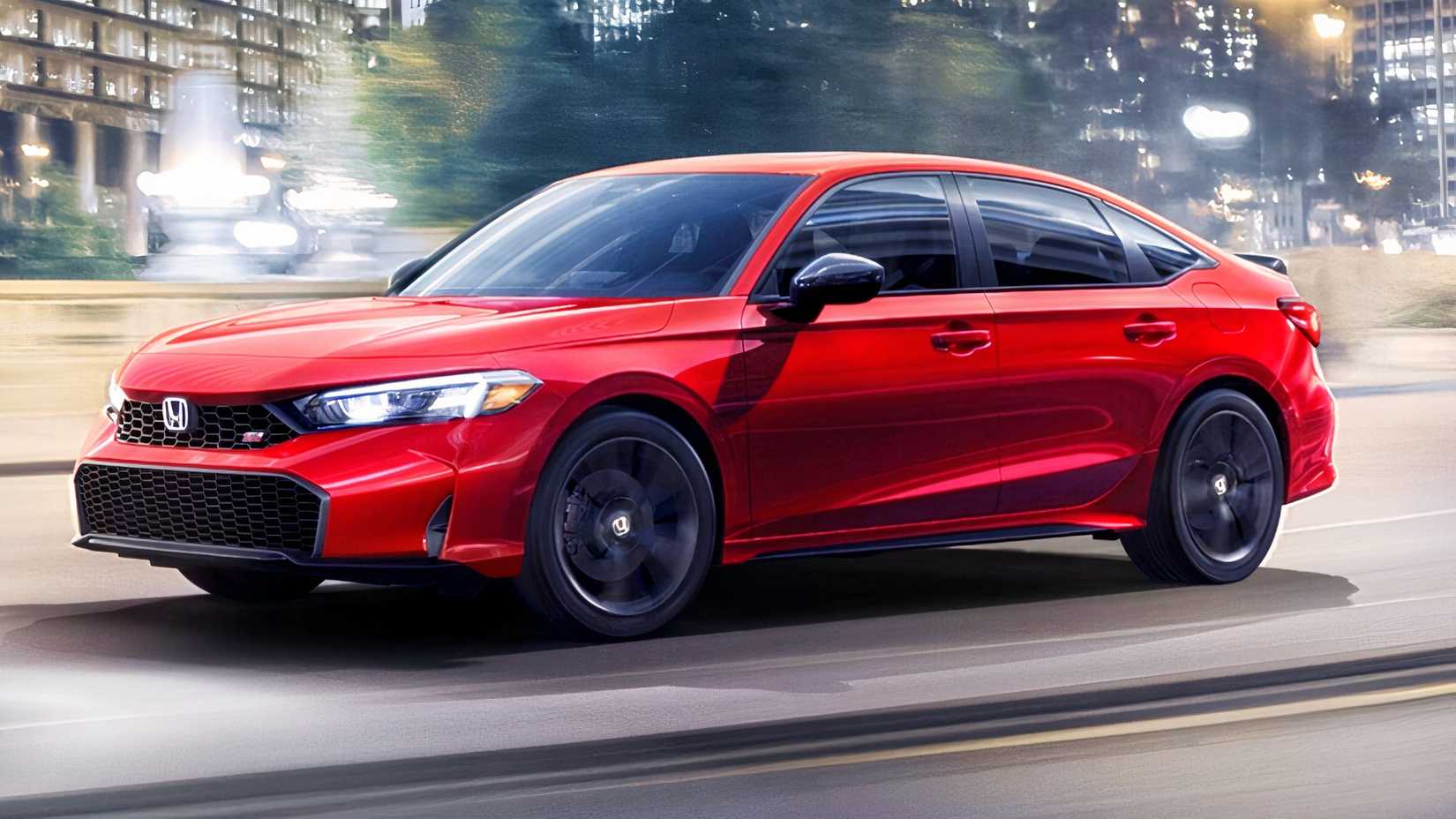
The hot hatch segment is where manual transmissions have taken hold most strongly, as buyers shopping here typically want a greater engagement with convenience. The Honda Civic Si comes standard with a six-speed manual – there is no automatic option. The Hyundai Elantra N pairs its 2.0-litre turbocharged four-cylinder with a six-speed manual or an eight-speed wet dual-clutch automatic, giving buyers a real choice. The Volkswagen Golf GTI continues to offer a six-speed manual with its DSG dual-clutch option.
These models survive with manuals because their buyers demand them. Pull the clutch pedal from the Civic Si, and you’ve probably removed the reason for its existence. It’s a different calculation than mainstream sedans, where most buyers never wanted a manual in the first place.
Performance sedans: a narrow field
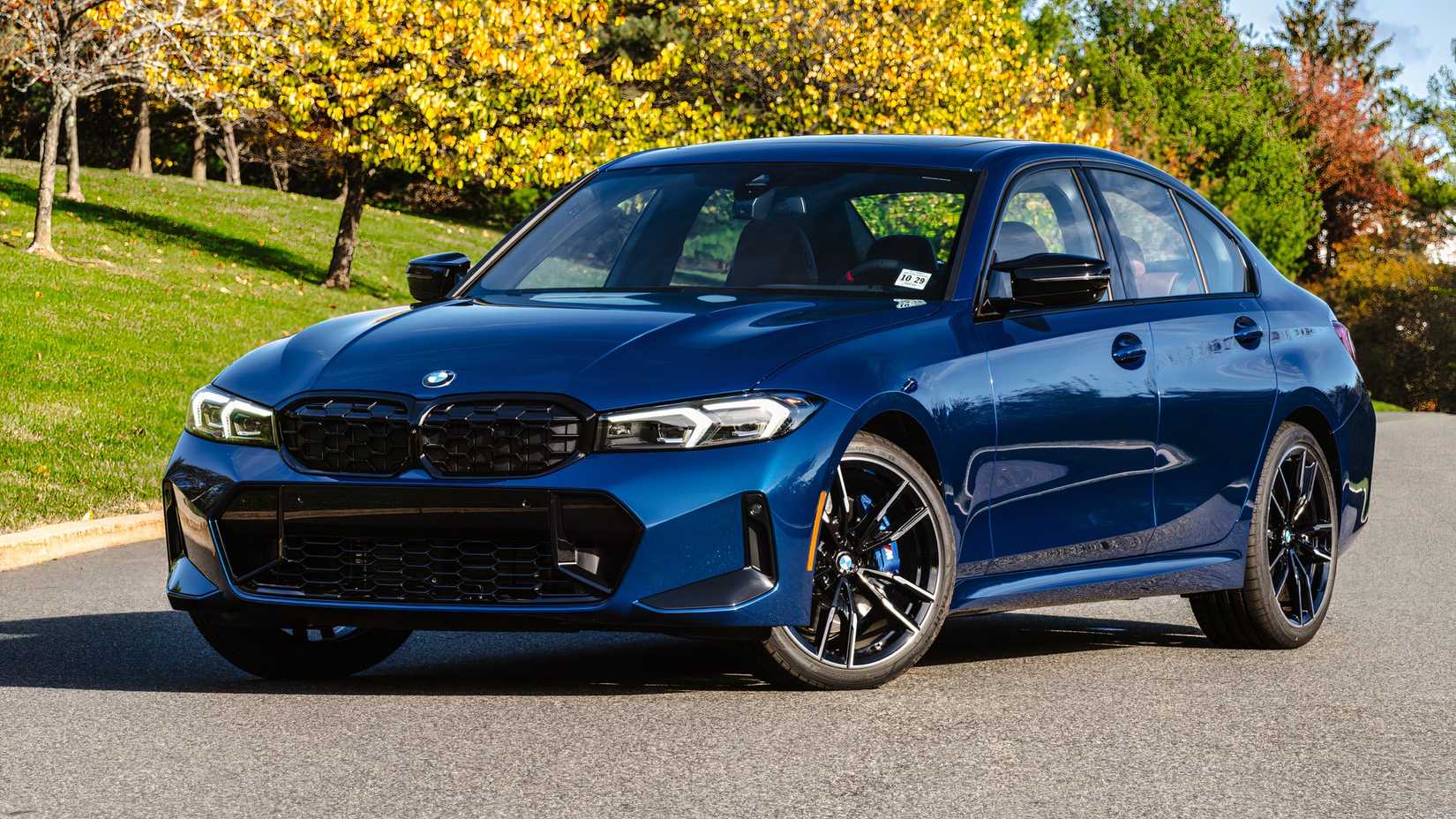
The BMW M340i and the Cadillac CT4-V Blackwing represent two different ideologies. The CT4-V Blackwing – Cadillac’s highest-performance compact sedan – offers a six-speed manual as standard, with an automatic as an option. This is a rare case of a luxury performance brand making a manual the default. Meanwhile, in most markets the M340i pairs its inline-six only with an eight-speed automatic; The manual has been phased out from that model in recent configurations.
The mass performance sedan segment has come a long way. Audi has completely removed manual transmissions from its lineup, relying instead on its S tronic dual-clutch and torque-converter automatics. Mercedes-Benz no longer offers a manual in any AMG models. Lamborghini, which once offered a gated manual in cars like the Gallardo, now builds exclusively around dual-clutch automatics.
Why automakers are killing the manual—and what some people are saying to keep it alive
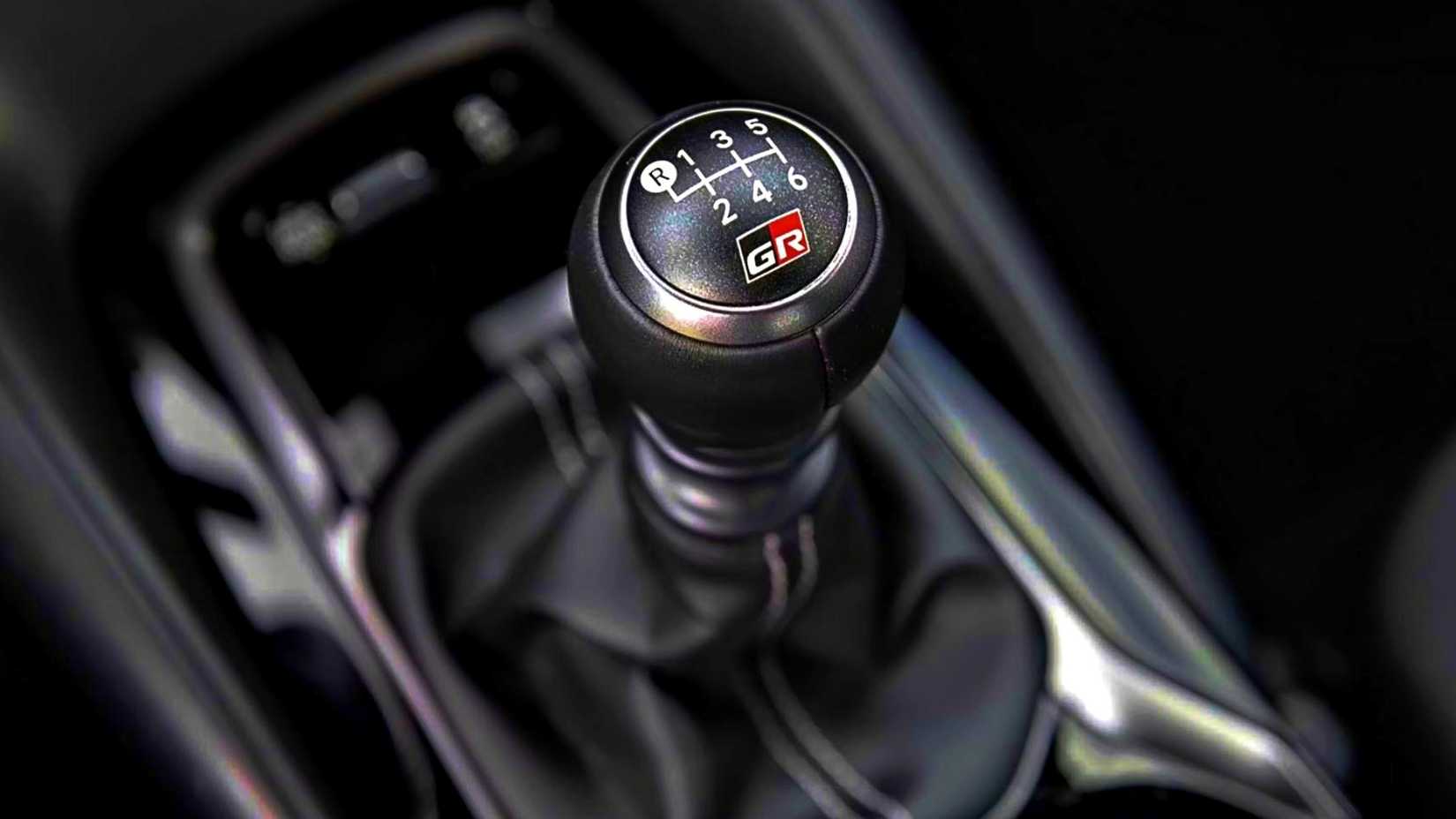
The business case against manuals is straightforward. Modern dual-clutch and torque-converter automatics shift faster, deliver better fuel economy figures for regulatory compliance, and are preferred by most new car buyers. As electrification accelerates – the IEA estimates that nearly one in three cars sold globally will be electric in 2026 – it becomes even harder to justify the manual. Electric motors do not use multi-speed gearboxes at all.
The brands that still commit to manuals are doing so intentionally as an enthusiastic gesture, not because it makes financial sense. Porsche and BMW M are the most obvious examples: both have framed manual availability as a brand value, something that differentiates them from the wider market. Honda’s approach with the Civic Si is similar – the manual is a product, there are no options on it.
For buyers who want to change to a new car now, the practical advice is simple: Don’t wait. The 2026 model year potentially offers more options than 2028. The Civic Si, Elantra N, Golf GTI, 911 Carrera, M2 and CT4-V Blackwing all deserve serious consideration before the list is shortened.