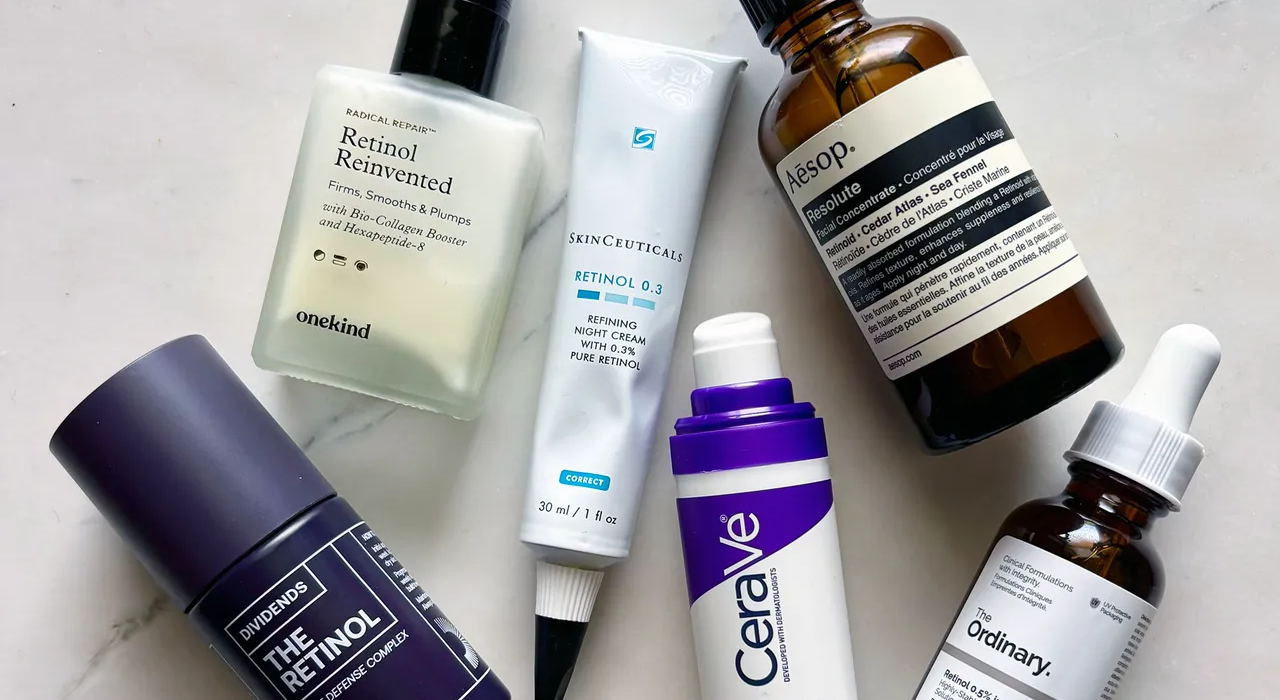
In practice, retinol requires two conversion steps before it becomes active; Retinal (also called retinaldehyde) requires one; And prescription tretinoin already contains retinoic acid. This usually makes the tretinoin faster-acting and more powerful, but is also more likely to cause irritation.
Once converted into its active form, retinol begins to work on multiple symptoms of skin aging simultaneously. As Dr. Ruth explains, it “increases cellular turnover, stimulates collagen production, improves skin texture, reduces fine lines, reduces discoloration, and helps keep pores clear.”
How to choose the right retinol
One of the biggest misconceptions is that a higher percentage automatically means a better product. The type of retinoid, the overall formulation, and how consistently you will actually use it matter much more. A high-potency retinol that irritates your skin so much that you stop using it after two weeks won’t do you much good, while a lower-potency formula that you can use consistently will almost always be beneficial.
The format largely depends on your skin type. Dr. Ruth says serums are generally mild and may appeal to people with oily or acne-prone skin, while creams and overnight lotions provide extra moisture, making them better choices for dry or sensitive skin.
If you’re new to retinol, don’t jump into it without thinking. Start by applying a pea-sized amount to clean, dry skin two or three nights per week, then gradually increase the frequency as your skin adjusts. Follow up with moisturizer and remember that one of the most common mistakes is to use too much, too soon.
Hydrating ingredients like hyaluronic acid, ceramides, glycerin, and niacinamide pair especially well with retinol as they help support the skin barrier and ward off dryness. Also, it’s best to avoid layering retinol with strong exfoliating acids or other potentially irritating activities until your skin adjusts.
Daily SPF is a non-negotiable part of any retinol routine. “Daily sunscreen is essential because UV exposure is the leading preventable cause of premature skin aging and can undermine the improvements you’re trying to achieve,” says Dr. Ruth. Retinoids also “help repair photodamage, making sun protection an important partner in any anti-aging regimen.”
Retinol pays off patience. According to Dr. Ruth, most people start to notice smoother skin texture and an improved glow within six to eight weeks, while improvements in pigmentation and fine lines usually become more noticeable after three to six months of consistent use.
You don’t even need visible wrinkles to benefit. Retinol is as valuable for maintaining collagen and warding off early signs of aging as it is for repairing existing damage. More than anything else, consistency is what drives results.
Our experts
Dr. Nicole RuthBoard-certified dermatologist